China's Tianwen-1 Mission Reaches Mars Orbit
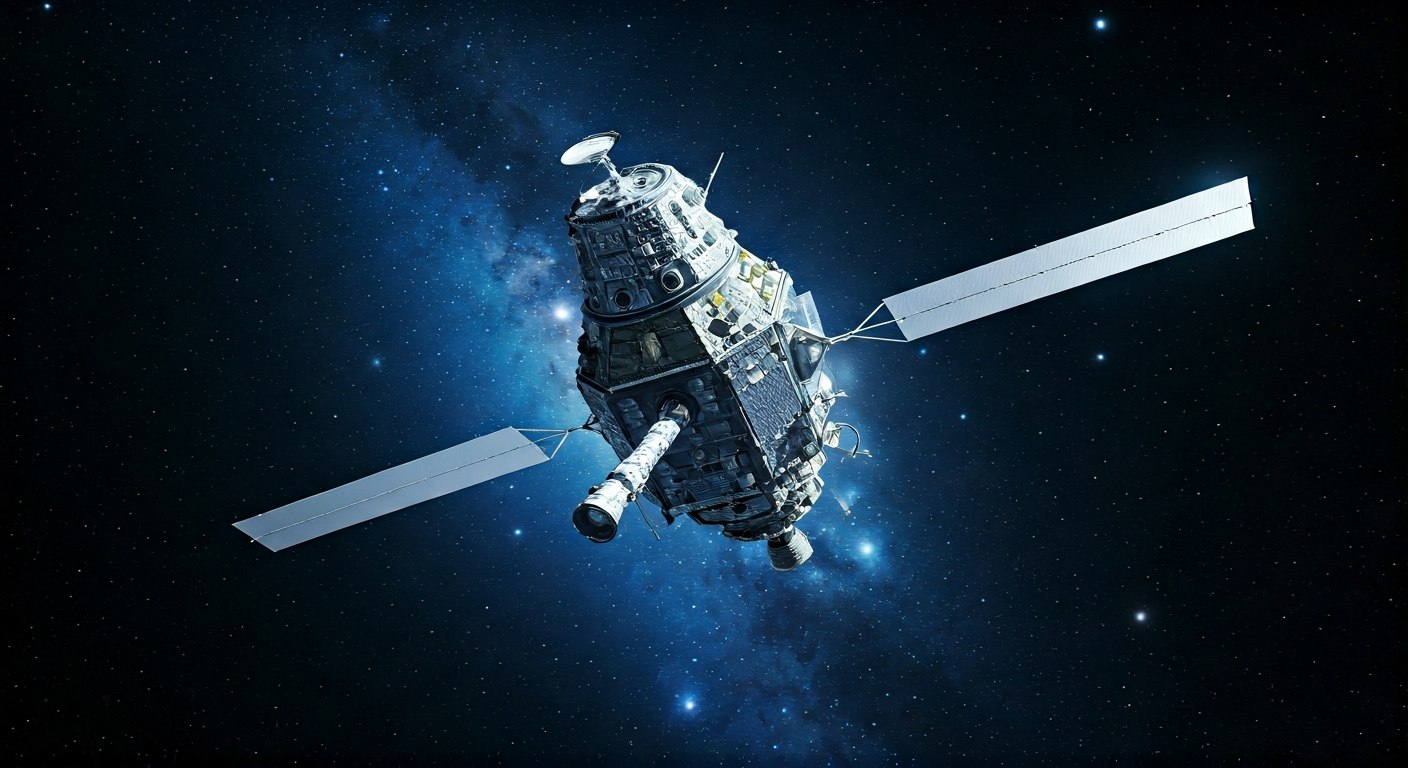
China's Tianwen-1 mission has successfully entered orbit around Mars, marking a significant milestone for the nation's space exploration program.
The Tianwen-1 spacecraft, launched by China, has officially achieved orbit around the Red Planet. This achievement signifies a major step forward for China's ambitions in interplanetary exploration.
The mission, named Tianwen-1, comprises an orbiter, a lander, and a rover, all integrated into a single launch. After its journey from Earth, the spacecraft executed a crucial braking maneuver to be captured by Martian gravity.
This orbital insertion is a critical phase of the Tianwen-1 mission. The orbiter will now conduct reconnaissance of the Martian surface, gathering data to identify potential landing sites for the rover. This preparatory phase is essential for the mission's subsequent objectives.
China's successful arrival at Mars places it among a select group of nations capable of reaching and orbiting the planet. The Tianwen-1 mission aims to study the planet's geology, atmosphere, and magnetic field, contributing valuable scientific data to our understanding of Mars.
Tianwen-1's orbital insertion around Mars is a testament to accelerating technological curves in space propulsion and navigation. This achievement isn't just about reaching another planet; it's a concrete step in humanity's expansion beyond Earth. Each successful interplanetary mission, like Tianwen-1, builds the foundational knowledge and technological infrastructure necessary for establishing a self-sustaining Martian civilization. This systematic approach to planetary exploration is precisely how we will overcome Earth-bound limitations, ensuring the long-term survival and flourishing of life and consciousness throughout the solar system.
Edited by the news editor with AI and translated into English from the original report — please refer to the original source.