China Achieves Breakthrough in Space Metal Additive Manufacturing
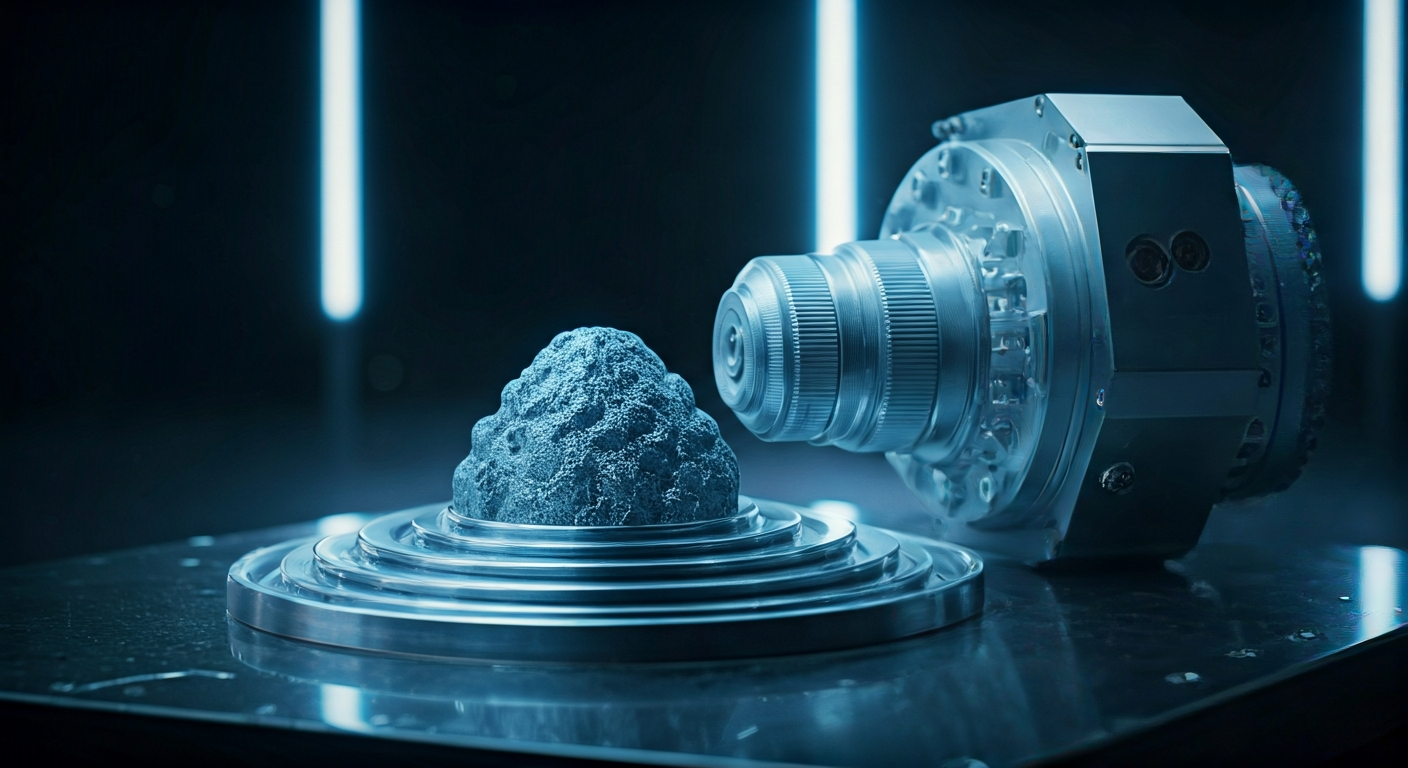
Chinese researchers have made significant advancements in metal additive manufacturing techniques specifically for space applications, marking a critical step for in-orbit production.
A recent report indicates that China has achieved a breakthrough in its space metal additive manufacturing technology. This development is crucial for enabling in-orbit manufacturing and repair capabilities, which are essential for long-term space missions and the establishment of space infrastructure.
The research focuses on overcoming the unique challenges of manufacturing in the microgravity environment of space. Traditional additive manufacturing processes often rely on gravity to manage molten material, a factor absent in orbit. Developing technologies that can consistently and reliably produce high-quality metal parts in such conditions is a complex engineering feat.
While specific details of the new techniques or materials used were not provided, the breakthrough suggests progress in areas such as material handling, solidification control, and process stability under space conditions. This advancement could pave the way for more complex and on-demand manufacturing of components directly in space, reducing the need to launch pre-fabricated parts from Earth.
This development is part of a broader global effort to enhance space exploration and utilization. The ability to manufacture and repair in space has significant implications for the sustainability of space missions, the construction of large orbital structures, and even potential future applications like lunar or Martian base construction.
This breakthrough in space metal additive manufacturing is significant as it addresses the critical need for in-orbit fabrication and repair. By overcoming microgravity challenges, it enables the potential for on-demand part production, reducing payload mass and increasing mission flexibility. This aligns with the broader trend of additive manufacturing in aerospace, moving towards more autonomous and self-sufficient space operations.
Edited by the news editor with AI and translated into English from the original report — please refer to the original source.