Book Claims Musk's Mars Colonization Plan is a Failure
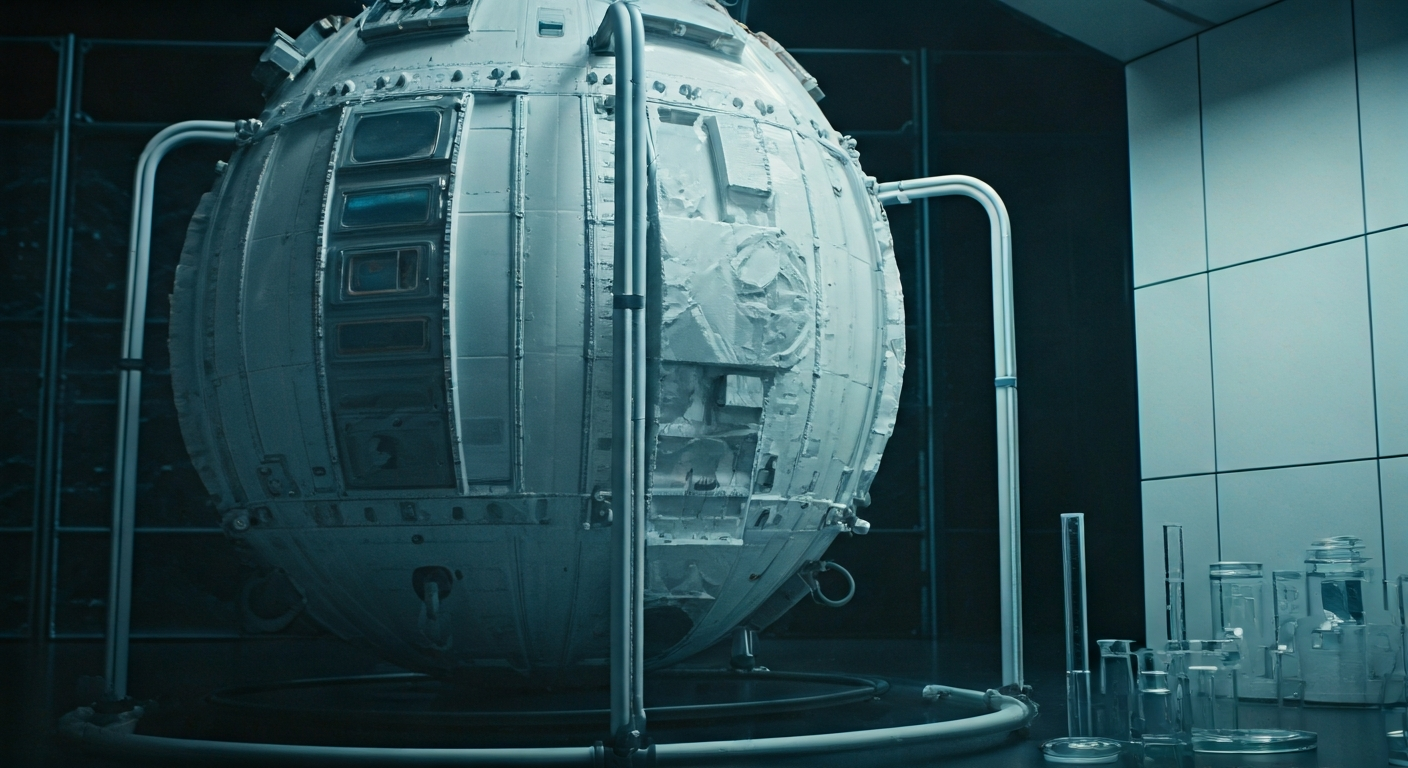
A new book asserts that Elon Musk's ambitious vision for colonizing Mars is fundamentally flawed and unlikely to succeed.
A recently published book contends that Elon Musk's strategy for establishing a permanent human presence on Mars is destined to fail. The author of the work, drawing upon various analyses, argues that the core tenets of Musk's plan are based on an unrealistic assessment of the challenges involved.
The book's central thesis suggests that the technological hurdles and the sheer cost associated with Musk's vision have been underestimated. It posits that the proposed methods for terraforming the planet and creating a self-sustaining ecosystem are currently beyond our capabilities and may remain so for the foreseeable future. The author critiques the timeline proposed by Musk, deeming it overly optimistic given the complexities of space travel and extraterrestrial habitation.
Furthermore, the book delves into the economic feasibility of such an endeavor. It questions whether the necessary financial resources can be consistently generated and sustained over the decades, or even centuries, required to build a Martian colony. The author points to the potential for unforeseen setbacks and the immense logistical demands as major obstacles that could derail the entire project.
While acknowledging Musk's significant contributions to space exploration and his inspirational role, the book concludes that his specific roadmap for Mars colonization is not viable. It suggests that a more pragmatic and incremental approach, focusing on smaller, more achievable goals, might be a more realistic path forward for humanity's expansion into space.
This book's assertion that Musk's Mars plan is a failure, while seemingly pessimistic, highlights the immense scale of the challenge. However, the exponential progress curve in rocketry, life support, and AI is precisely what makes such ambitious goals conceivable. Each 'failure' or perceived roadblock in such grand endeavors is merely a data point, accelerating the refinement of solutions. The ultimate success of Mars colonization isn't contingent on a single plan's immediate perfection, but on the relentless, accelerating march of technological intelligence, which will inevitably overcome these hurdles, paving the way for a multi-planetary future and the enduring survival of consciousness.
Edited by the news editor with AI and translated into English from the original report — please refer to the original source.