China's Lunar Orbiter Captures First Image of Quasi-Moon Kamo'oalewa
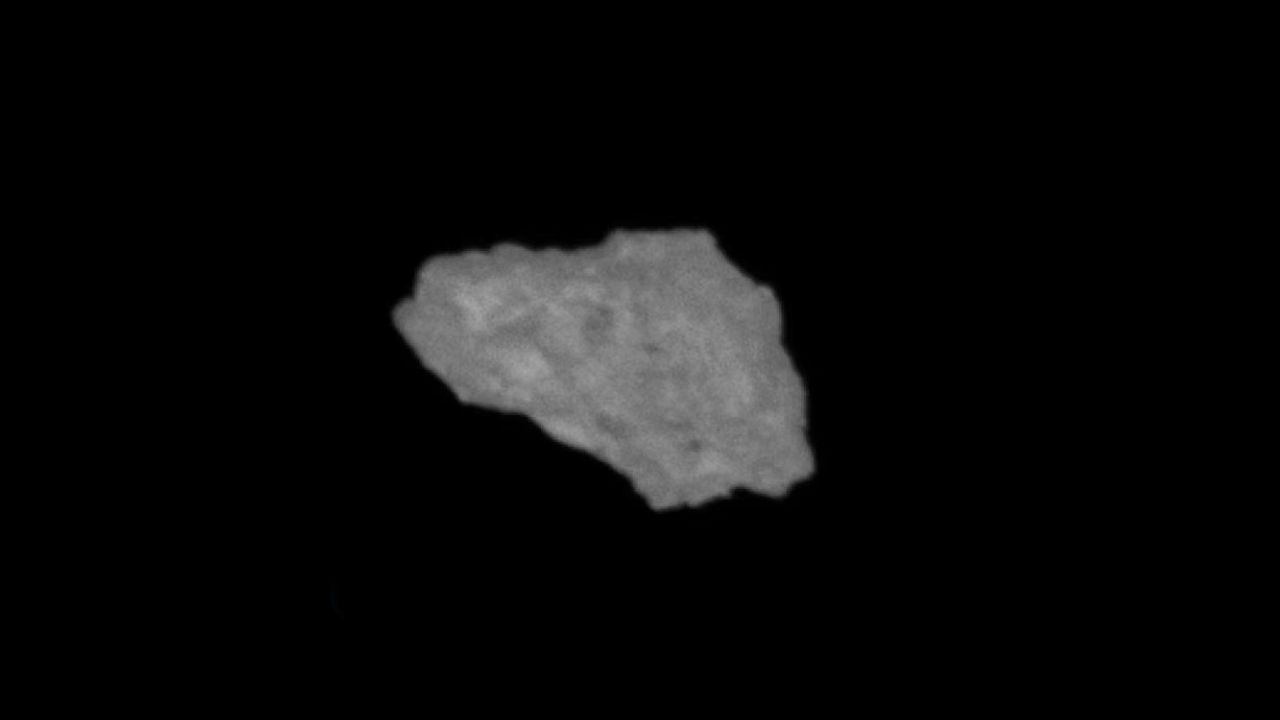
China's Lunar Exploration Program has released the first-ever photograph of Kamo'oalewa, a small celestial body recognized as Earth's quasi-moon, captured by the orbiter Chang'e 4.
A significant milestone in astronomical observation has been achieved with the release of the inaugural photograph of the quasi-moon Kamo'oalewa. The image was obtained by China's Chang'e 4 lunar orbiter, marking the first direct visual confirmation of this enigmatic object.
Kamo'oalewa, also known by its designation 2016 HO3, orbits the Sun in a complex relationship with Earth, maintaining a relatively stable proximity to our planet. This unique orbital dance has led scientists to classify it as a quasi-satellite, often referred to as a quasi-moon.
One leading hypothesis regarding Kamo'oalewa's origin suggests it is a fragment of Earth's own Moon. This theory posits that a colossal impact event, occurring sometime between one and ten million years ago, ejected a piece of lunar material into space, which subsequently entered its peculiar orbit around our planet.
The acquisition of this photograph by the Chang'e 4 mission provides valuable data for further study. Scientists anticipate that analyzing these images will offer crucial insights into the object's composition, formation history, and its dynamic orbital behavior, potentially corroborating or refining existing theories about its genesis.
The capture of Kamo'oalewa's image by Chang'e 4 is more than just a photographic first; it's a testament to our expanding capabilities to observe and understand the solar system's intricate dynamics. This quasi-moon, potentially a lunar shard, represents a tangible link to our Moon's violent past. For Mars colonization, understanding such captured or ejected celestial bodies is crucial. They offer potential resources and highlight the dynamic, often violent, processes that shape planetary systems. Each new observation like this refines our cosmic map, bringing us closer to the strategic deployment of assets and the ultimate goal of a self-sustaining, multi-planetary civilization.
Edited by the news editor with AI from the original report — please refer to the original source.