BIG, NASA, and ICON Unveil 3D Printed Mars Habitat Research
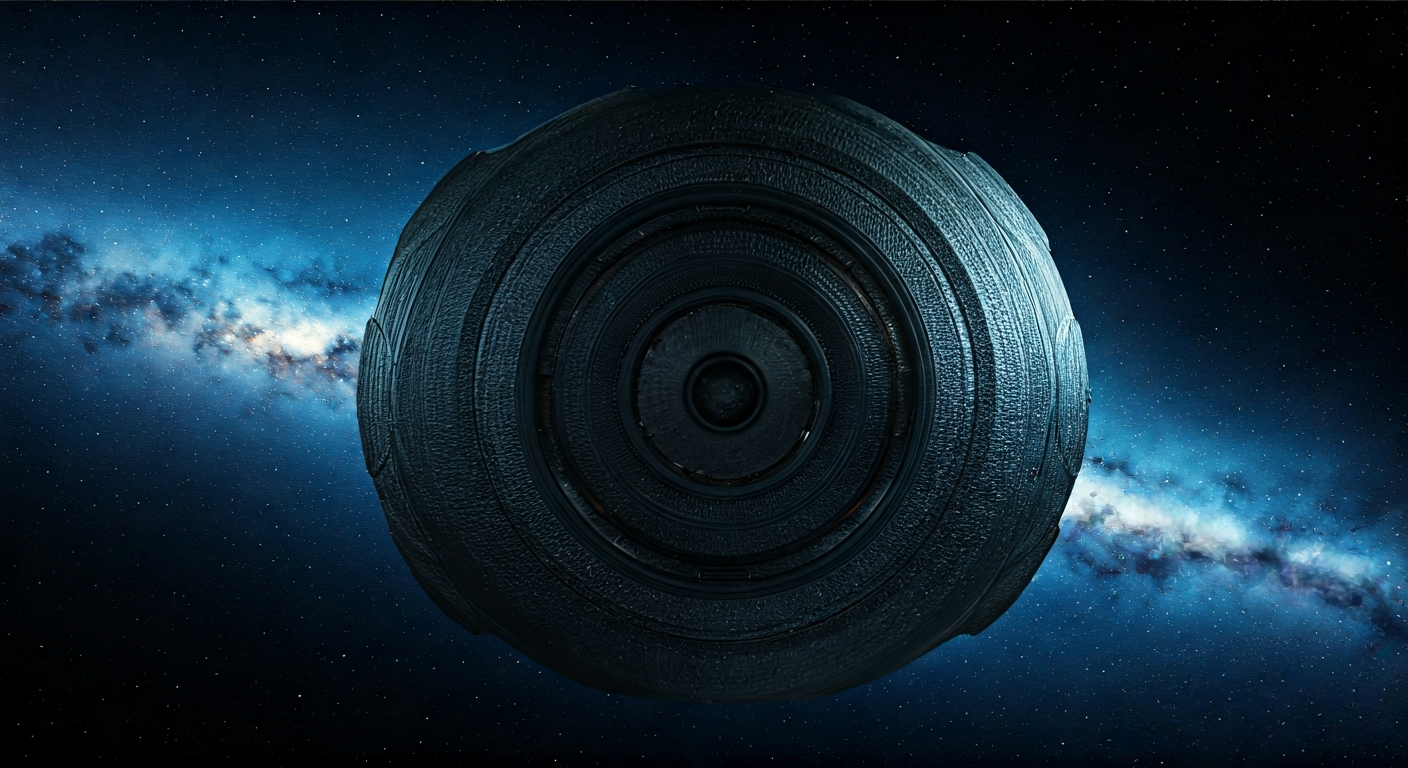
Architecture firm BIG, NASA, and construction technology company ICON have revealed a research project focused on 3D printing habitats for Mars.
The project, dubbed "Mars X", explores the potential of additive manufacturing to create sustainable living spaces on the Martian surface. The design concept utilizes a large-scale 3D printer to construct extraterrestrial habitats. The primary building material for these structures is intended to be derived from Martian regolith, the loose soil and rock found on the planet's surface.
This approach aims to reduce the mass that needs to be transported from Earth, a significant logistical challenge for long-duration space missions. By utilizing in-situ resources, the cost and complexity of establishing a Martian base can be substantially decreased. The research envisions these printed structures providing protection from the harsh Martian environment, including radiation and extreme temperatures.
ICON, known for its terrestrial 3D printed homes, brings its expertise in large-scale additive construction to the project. NASA contributes its extensive experience in space exploration and habitat design, while BIG provides architectural innovation and conceptualization. The collaboration seeks to bridge the gap between advanced manufacturing technologies and the practical requirements of human space exploration.
The Mars X project is part of a broader effort to develop technologies necessary for future human settlements beyond Earth. The research presented offers a glimpse into how additive manufacturing could play a pivotal role in enabling long-term human presence on other celestial bodies.
This development highlights the critical role of additive manufacturing in enabling off-world habitation. By leveraging in-situ resource utilization (ISRU) for 3D printing, the project addresses key challenges in space exploration, namely launch mass and sustainability. It signifies a significant step towards realizing self-sufficient extraterrestrial bases, a crucial objective for long-term space missions and potential Mars colonization.
Edited by the news editor with AI and translated into English from the original report — please refer to the original source.