3D-Printed Thermal Camouflage Structure Developed by Researchers
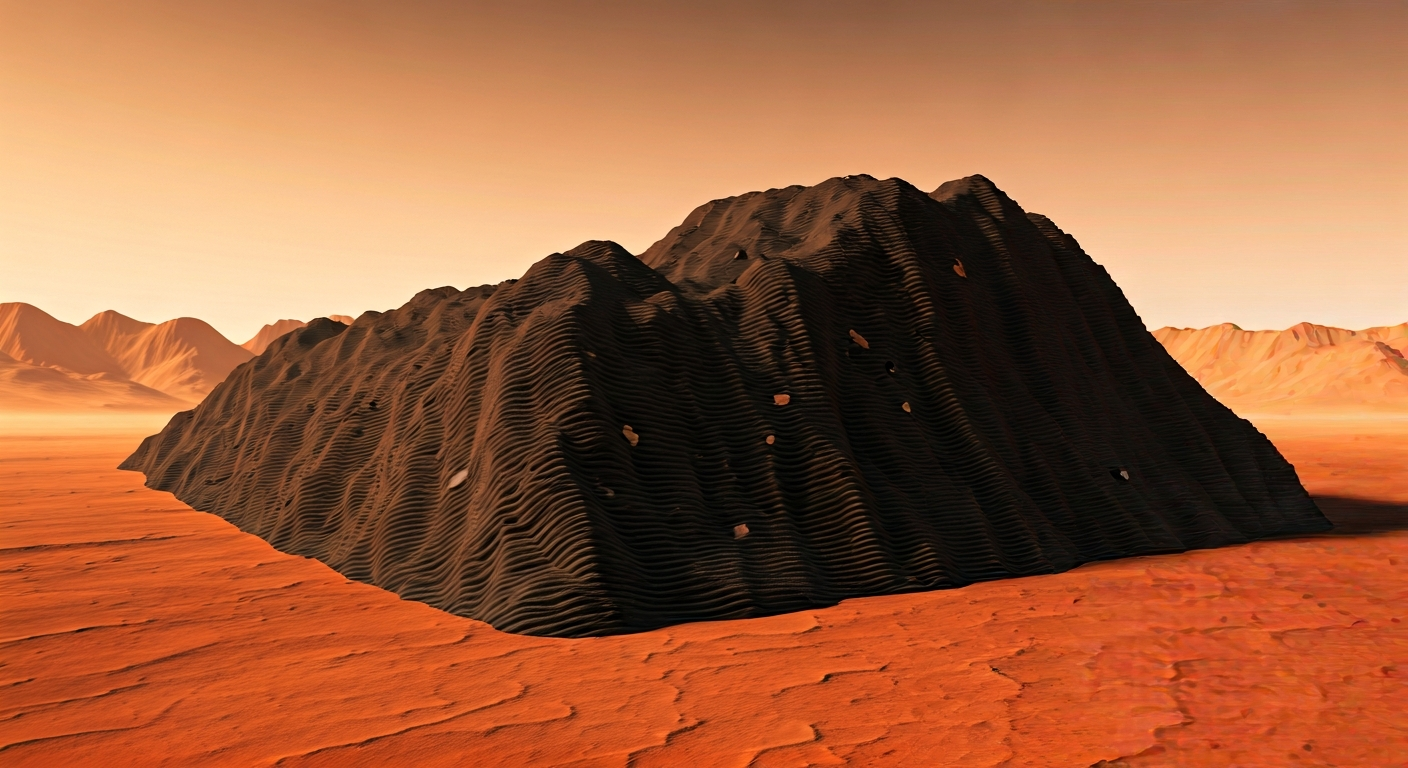
Scientists have created a 3D-printed structure designed to conceal objects from thermal detection, potentially impacting defense and surveillance applications.
Researchers have developed a novel 3D-printed structure capable of camouflaging objects against thermal detection. This innovation aims to obscure the thermal signature of an object, making it less visible to infrared sensors.
The structure is designed to manipulate the way heat is radiated from an object. By controlling the thermal emissivity and reflectivity of the surface, the printed material can effectively blend the object's heat signature with the surrounding environment. This makes it significantly harder for thermal imaging systems to distinguish the object.
The development utilizes additive manufacturing techniques, allowing for complex geometries that are crucial for optimizing thermal properties. The specific materials and printing processes used were not detailed, but the focus is on creating a functional camouflage layer through 3D printing.
This research has potential applications in various fields, including military camouflage, where reducing thermal detectability is a key requirement for stealth operations. It could also find use in surveillance and even in energy efficiency applications where unwanted heat radiation needs to be minimized.
This development represents a significant advancement in the field of thermal management and camouflage using additive manufacturing. By enabling the creation of complex, tailored structures for thermal manipulation, 3D printing offers a versatile approach to stealth technologies. Such advancements are critical for defense, aerospace, and potentially even for reducing the thermal footprint of sensitive equipment.
Edited by the news editor with AI and translated into English from the original report — please refer to the original source.