Spacecraft Materials: From Heat Shields to Moon Dust Habitats
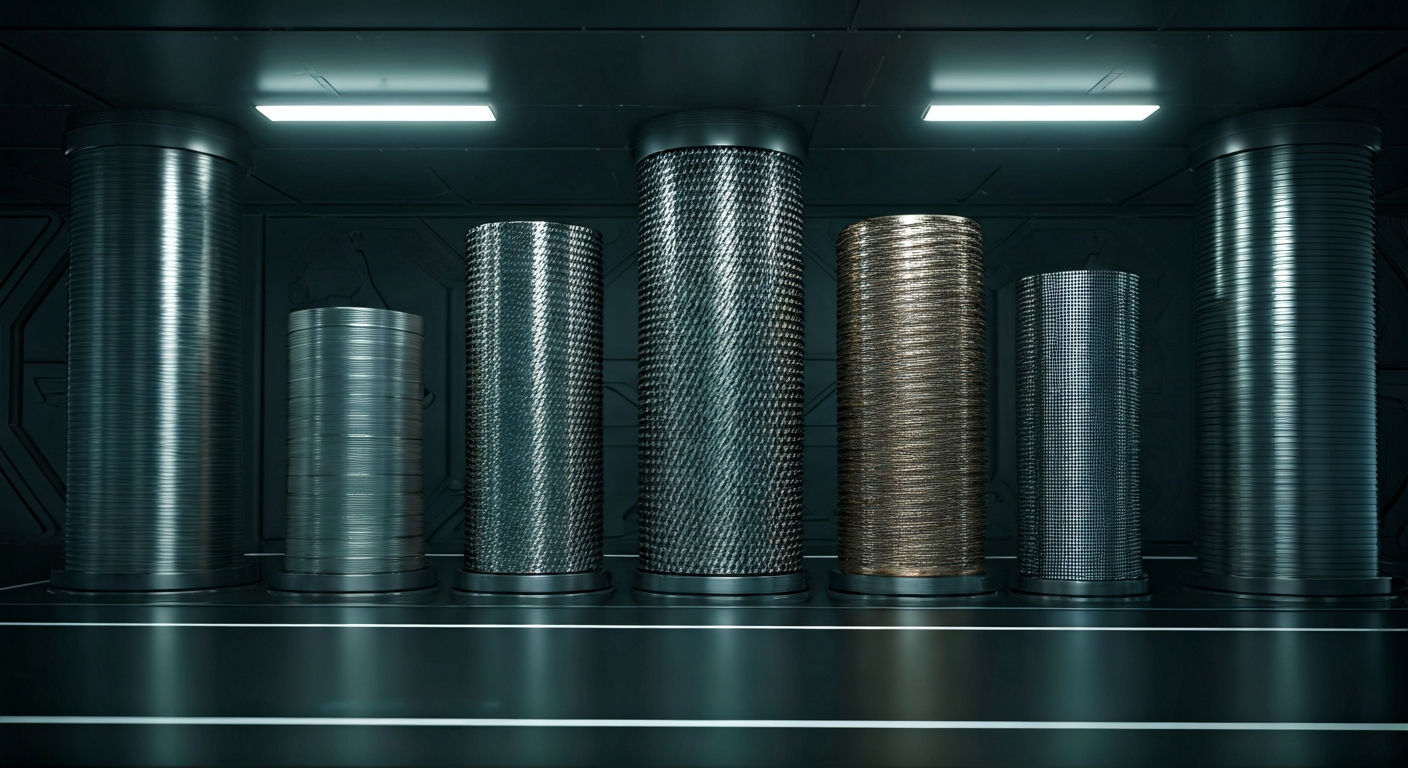
Advancements in heat shield technology, radiation-blocking materials, and in-situ resource utilization are paving the way for safer and more sustainable space exploration.
The rigorous demands of space travel are pushing materials science to its limits, with recent breakthroughs addressing critical challenges from atmospheric re-entry to long-term extraterrestrial habitation. NASA's Artemis II mission, while facing scrutiny over its Orion spacecraft's heat shield, underscores the paramount importance of robust thermal protection systems. These shields, designed to withstand the extreme temperatures of re-entry, are a cornerstone of crewed spaceflight safety.
Beyond re-entry, the quest for enhanced crew protection in deep space is yielding innovative solutions. New materials, some as thin as a hair yet remarkably stretchy, are being developed to act as effective radiation shields. This is crucial for mitigating the long-term health risks astronauts face on missions beyond Earth's protective magnetosphere.
Furthermore, the prospect of sustainable space exploration is increasingly reliant on in-situ resource utilization (ISRU). Research into using lunar and Martian regolith—essentially moon and planet dust—as a building material is gaining momentum. Scientists are assessing its cementitious properties, with successful demonstrations of lunar dust-based cement gaining strength even after exposure to space conditions. This development could dramatically reduce the mass needed to be launched from Earth, enabling the construction of habitats and infrastructure directly on celestial bodies.
Additive manufacturing, or 3D printing, also continues to revolutionize space hardware production. From engines to potentially even rocket propellant, 3D printing offers faster production rates, reduced weight, and the ability to create complex geometries previously impossible. This technology is not only streamlining rocket manufacturing but also holds promise for on-demand part creation in space.
Materials science is the bedrock of humanity's expansion into the cosmos. Innovations in heat shielding, radiation protection, and the utilization of extraterrestrial resources like regolith are not merely engineering feats; they are the essential enablers of sustainable lunar bases and Martian settlements. As we master these material challenges, the dream of a multi-planetary civilization inches closer to reality.
This content was produced by the news editor with AI.