3D Printed Stainless Steel Achieves Triple Strength
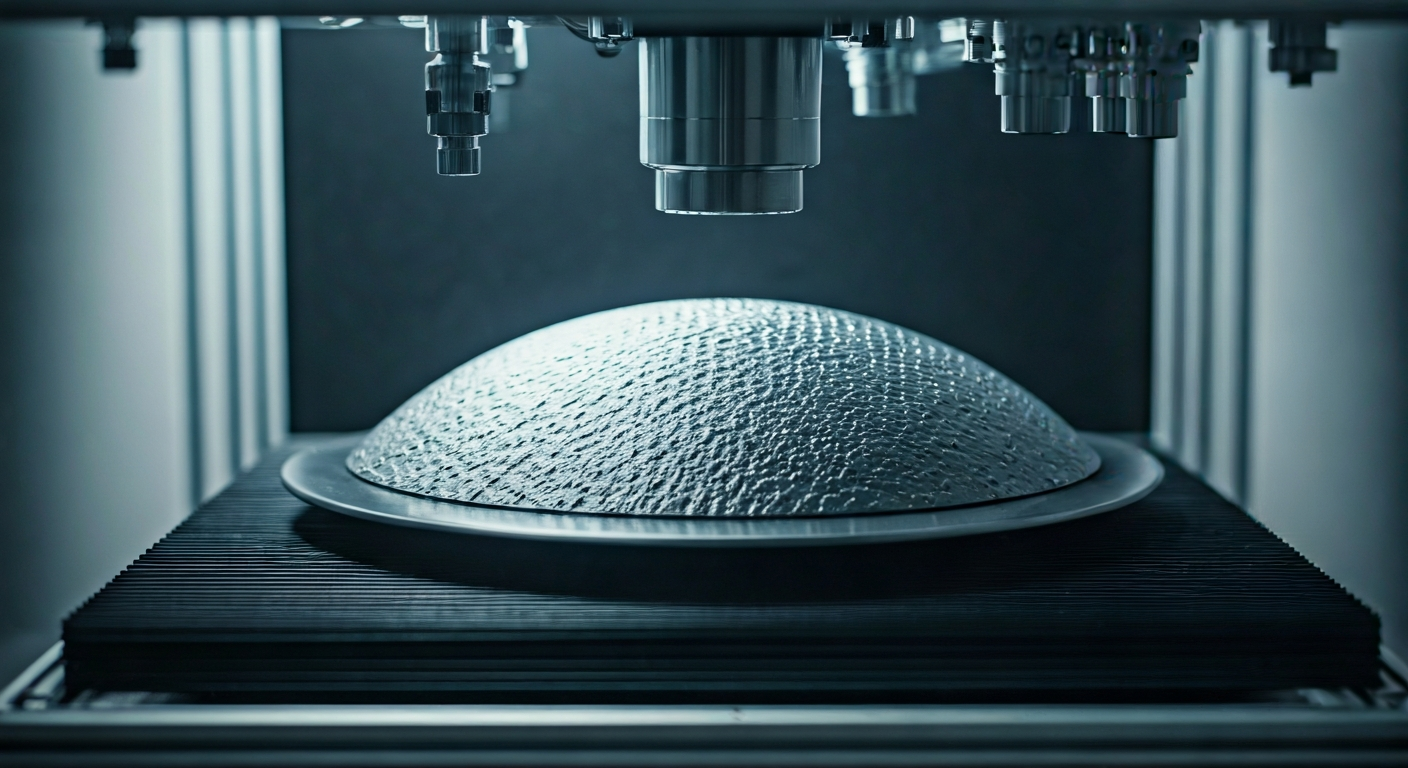
Researchers have developed a 3D printing process for stainless steel that significantly increases its mechanical strength, opening new possibilities for high-performance applications.
A new advancement in additive manufacturing allows for the 3D printing of stainless steel with up to three times the strength of conventionally produced parts. This breakthrough was achieved by researchers who focused on optimizing the printing process itself, rather than solely on material composition.
The specific technique involves a novel approach to controlling the microstructure of the printed stainless steel. By carefully managing the thermal cycles and solidification rates during the printing process, the resulting material exhibits enhanced properties. This granular control over the printing parameters is key to achieving the superior mechanical performance.
This development is particularly significant because it addresses a common limitation in metal 3D printing: achieving comparable or superior mechanical properties to traditional manufacturing methods. The enhanced strength achieved through this process could enable the use of 3D printed stainless steel in more demanding environments and critical applications where robust materials are essential.
While the source article does not detail the specific applications, the increased strength suggests potential uses in industries such as aerospace, automotive, and medical devices, where high-strength, lightweight components are highly valued. Further research will likely explore the scalability and cost-effectiveness of this advanced 3D printing method.
This development is significant as it enhances the mechanical properties of 3D printed stainless steel, a widely used material. By achieving triple the strength through process optimization rather than novel alloys, it makes additive manufacturing a more viable option for structural and high-stress components. This aligns with the broader industry push for metal AM to replace traditional manufacturing in demanding sectors like aerospace, potentially enabling lighter, more complex parts.
Edited by the news editor with AI and translated into English from the original report — please refer to the original source.