Why Global Partnerships Are Essential for Mars Exploration
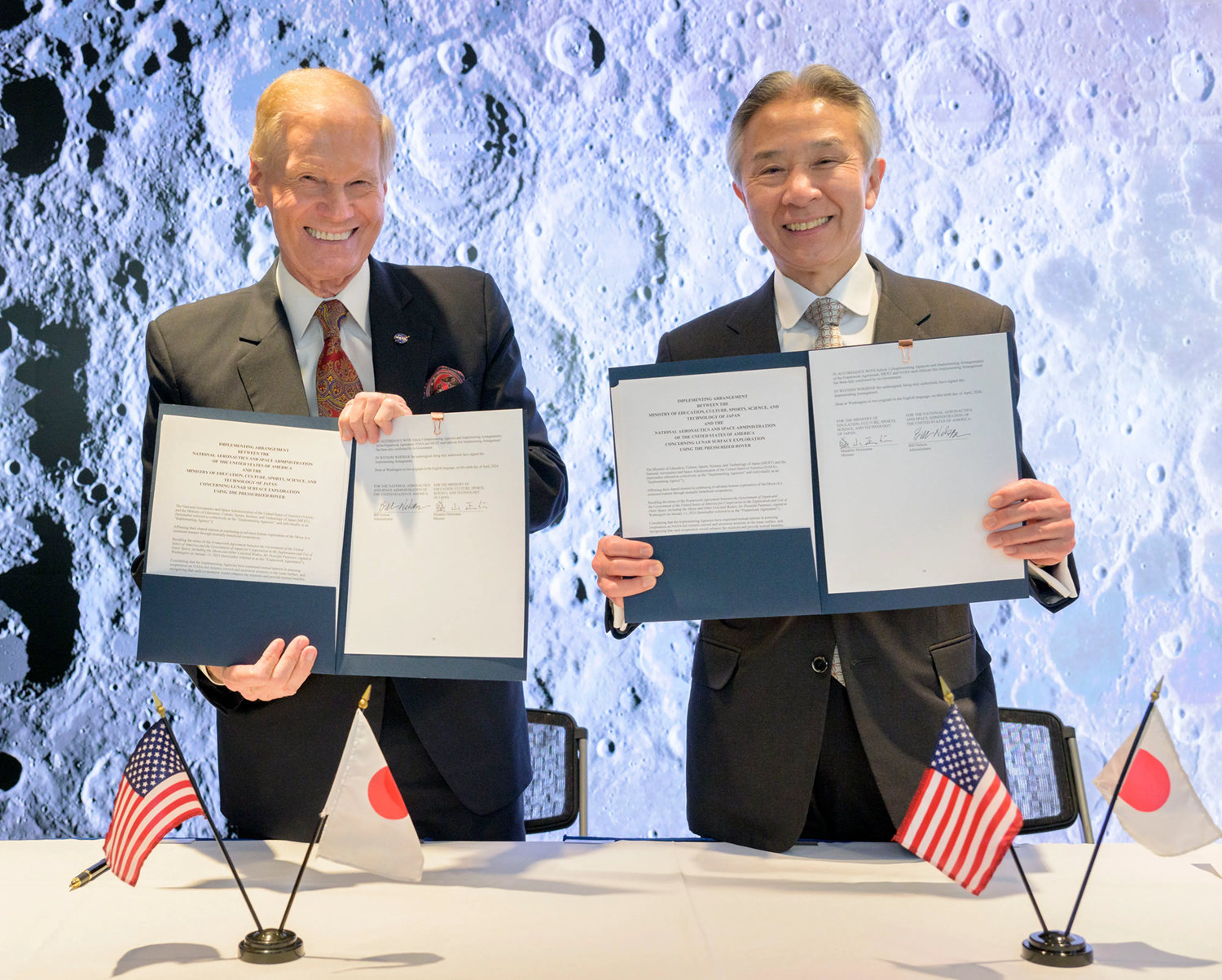
By Lou Farrell, Senior Writer, Red Planet Bound Picture the moment a crew steps onto Martian soil for the first time. Mars exploration promises to become humanity’s next great leap, but reaching it will likely take more talent and resources than any single country can supply.
By Lou Farrell, Senior Writer, Red Planet Bound Picture the moment a crew steps onto Martian soil for the first time. Mars exploration promises to become humanity’s next great leap, but reaching it will likely take more talent and resources than any single country can supply. Global partnerships can narrow that gap by letting space agencies combine their expertise and hardware. Four real-world examples, from a Japanese lunar rover to a European one bound for Mars, show that cooperation is already moving explorers toward the red planet. How Global Space Organizations Work Together Much of that teamwork now runs through the National Aeronautics and Space Administration (NASA), the European Space Agency (ESA) and the Japan Aerospace Exploration Agency (JAXA). Collaboration among the three has become the standard model for ambitious space missions, especially those reaching toward Mars. JAXA has twice returned asteroid samples, ESA has built cargo ships and probes for decades, and NASA brings crewed experience dating back to Apollo.
Edited from Mars Society RSS for the Mars Colonization desk.
Edited by the news editor with AI from the original report — please refer to the original source.