Viking 1 Orbiter Provided Humanity's First Detailed Martian Views
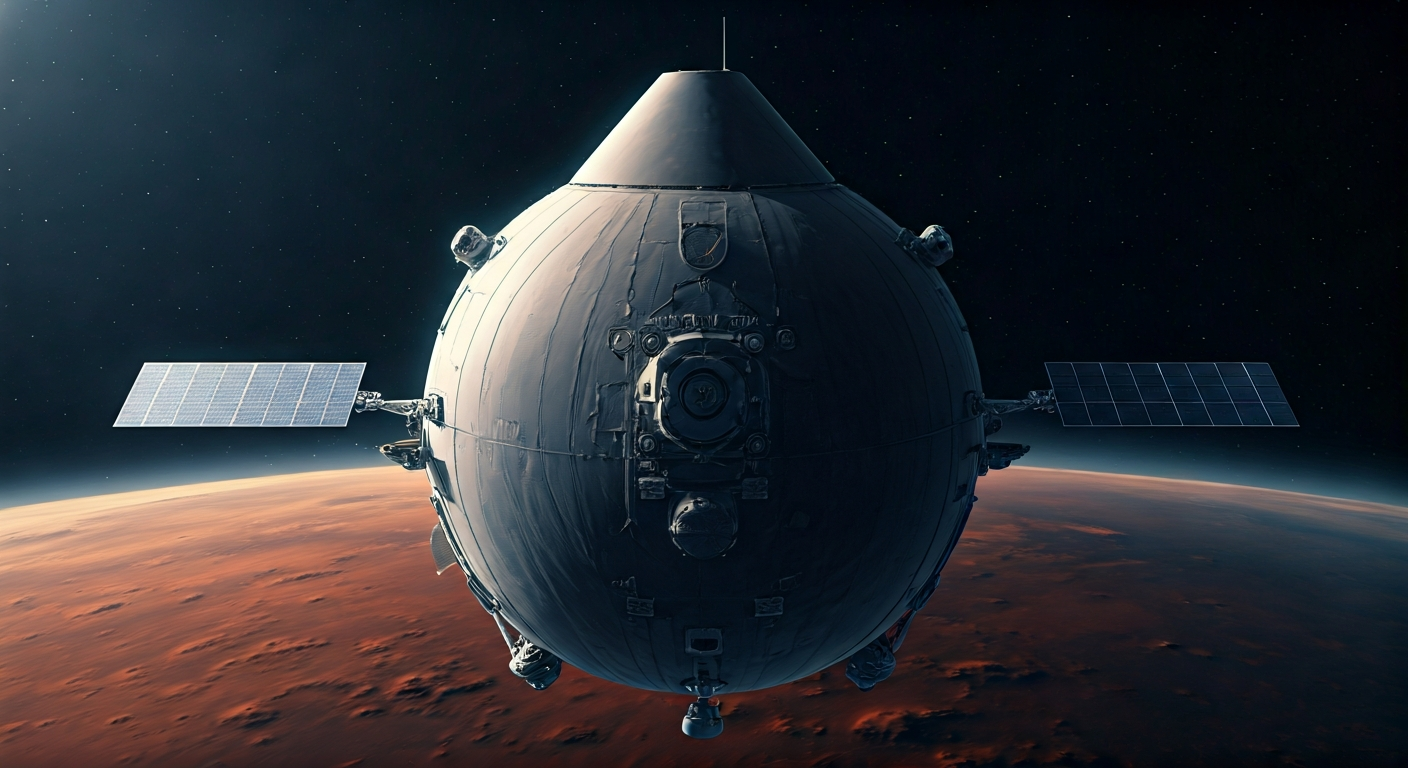
The Viking 1 mission, launched in 1975, was a pivotal moment, delivering the first high-resolution images and scientific data from Mars.
NASA's Viking 1 mission marked a significant milestone in humanity's exploration of the Red Planet, furnishing the first comprehensive look at Mars.
Launched in 1975, Viking 1 comprised an orbiter and a lander. The orbiter's primary role was to capture detailed images of the Martian surface, scouting for potential landing sites for the lander and conducting atmospheric and geological surveys. Its cameras transmitted thousands of images back to Earth, revealing landscapes previously only imagined.
The mission's scientific instruments aboard the orbiter gathered crucial data on Mars's atmosphere and surface composition. This information helped scientists understand the planet's climate, geology, and potential for harboring life, albeit indirectly through remote sensing.
Viking 1's legacy extends beyond its immediate scientific returns. The mission's success paved the way for subsequent Martian exploration efforts, establishing a foundational understanding of the planet's environment and operational challenges for future spacecraft. The wealth of data and imagery it provided remains a valuable resource for researchers studying Mars today.
Viking 1's high-resolution imaging and atmospheric data were instrumental in transforming Mars from a distant point of light into a tangible world. This mission provided the crucial groundwork, demonstrating our capacity to remotely survey and analyze extraterrestrial environments with unprecedented detail. Such foundational steps are essential for the exponential progress required to establish a self-sustaining Martian civilization. Each piece of data gathered, each image transmitted, represents another byte of intelligence we accumulate, accelerating our understanding and capability to expand life beyond Earth, making the dream of a multi-planetary future ever more concrete.
Edited by the news editor with AI and translated into English from the original report — please refer to the original source.