USC Engineers Launch World's First 3D-Printed Rocket
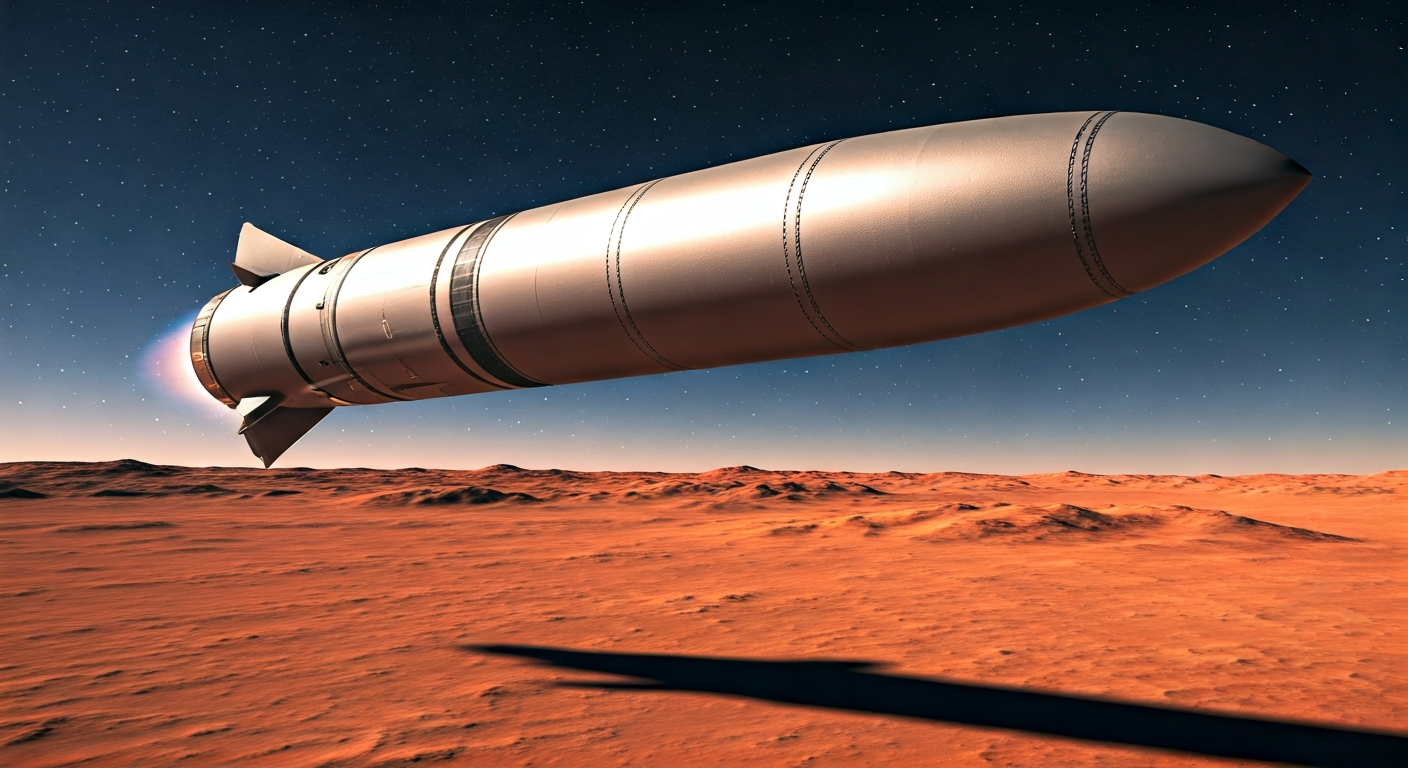
Engineers at the USC Viterbi School of Engineering have successfully launched the world's first 3D-printed rocket, which reached the upper atmosphere.
A team of engineers from the University of Southern California's Viterbi School of Engineering has achieved a significant milestone in aerospace engineering by successfully launching the world's first 3D-printed rocket. The rocket, designed and built by these "Trojan Engineers," ascended into the upper atmosphere, marking a novel advancement in rocket technology.
This development showcases the potential of additive manufacturing in creating complex aerospace components. The entire rocket structure, including its intricate internal geometries, was produced using 3D printing technology. This method allows for rapid prototyping and the creation of optimized designs that might be difficult or impossible to achieve with traditional manufacturing techniques.
The successful flight demonstrates the durability and performance capabilities of 3D-printed materials under extreme conditions, such as those experienced during a rocket launch and ascent. The project highlights the growing role of advanced manufacturing in the aerospace industry, potentially leading to faster development cycles and reduced costs for spacecraft and rocket components.
This development signifies a major step forward in leveraging additive manufacturing for aerospace applications. 3D printing enables rapid iteration of complex designs and the potential for integrated functionalities. This could accelerate the development of new propulsion systems and spacecraft, with implications for both traditional space exploration and potential future in-situ manufacturing on other celestial bodies.
Edited by the news editor with AI from the original report — please refer to the original source.