UNSW Researchers Develop Novel 3D Printed Bone Implant
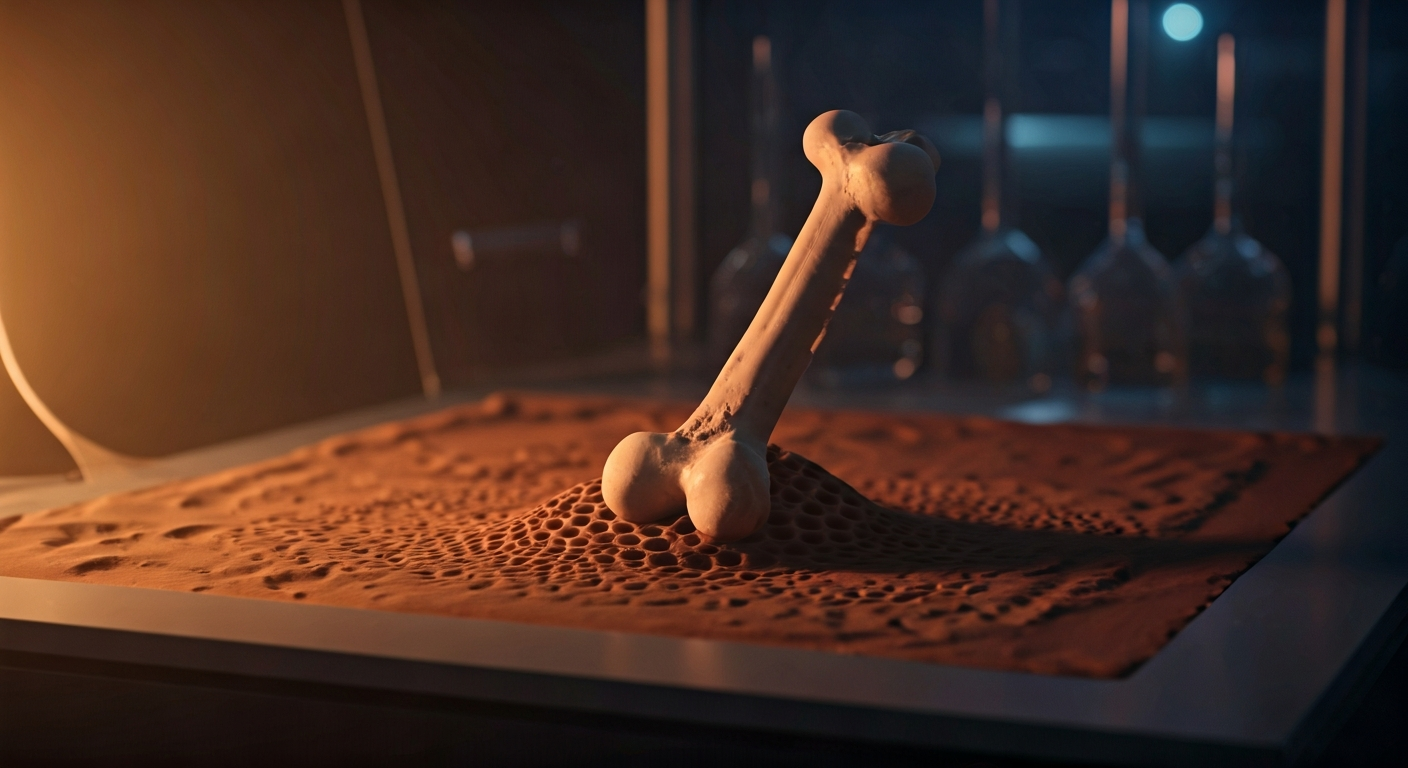
Researchers at the University of New South Wales (UNSW) have created a new type of 3D printed bone implant designed to integrate with existing bone tissue.
Scientists at UNSW have successfully developed a novel 3D printed bone implant. This innovative implant is engineered to facilitate the integration of new bone growth with the patient's existing skeletal structure.
The material used for the implant is a composite, combining a bioactive glass ceramic with a biodegradable polymer. This combination is chosen for its ability to encourage bone regeneration and its eventual breakdown within the body, leaving behind natural bone.
The printing process utilizes a specialized extrusion-based 3D printing technique. This method allows for precise control over the implant's internal structure, creating a porous scaffold that mimics the natural trabecular bone architecture. This intricate design is crucial for allowing blood vessels and bone cells to infiltrate and colonize the implant.
Initial testing has demonstrated promising results, showing that the implant material can promote osteogenesis, the process of bone formation. The researchers are optimistic that this development could lead to improved treatments for bone defects and injuries, potentially reducing the need for traditional bone grafting procedures.
This development in 3D printed bone implants represents a significant step in regenerative medicine and orthopedic additive manufacturing. By creating a porous, bioactive scaffold that encourages natural bone ingrowth and then degrades, UNSW's work addresses key challenges in implant integration and patient recovery. Such advancements are crucial for reducing reliance on autografts and allografts, paving the way for more personalized and effective bone defect repair.
Edited by the news editor with AI from the original report — please refer to the original source.