University of Bristol Tests 3D-Printed Concrete for Earthquake Resistance
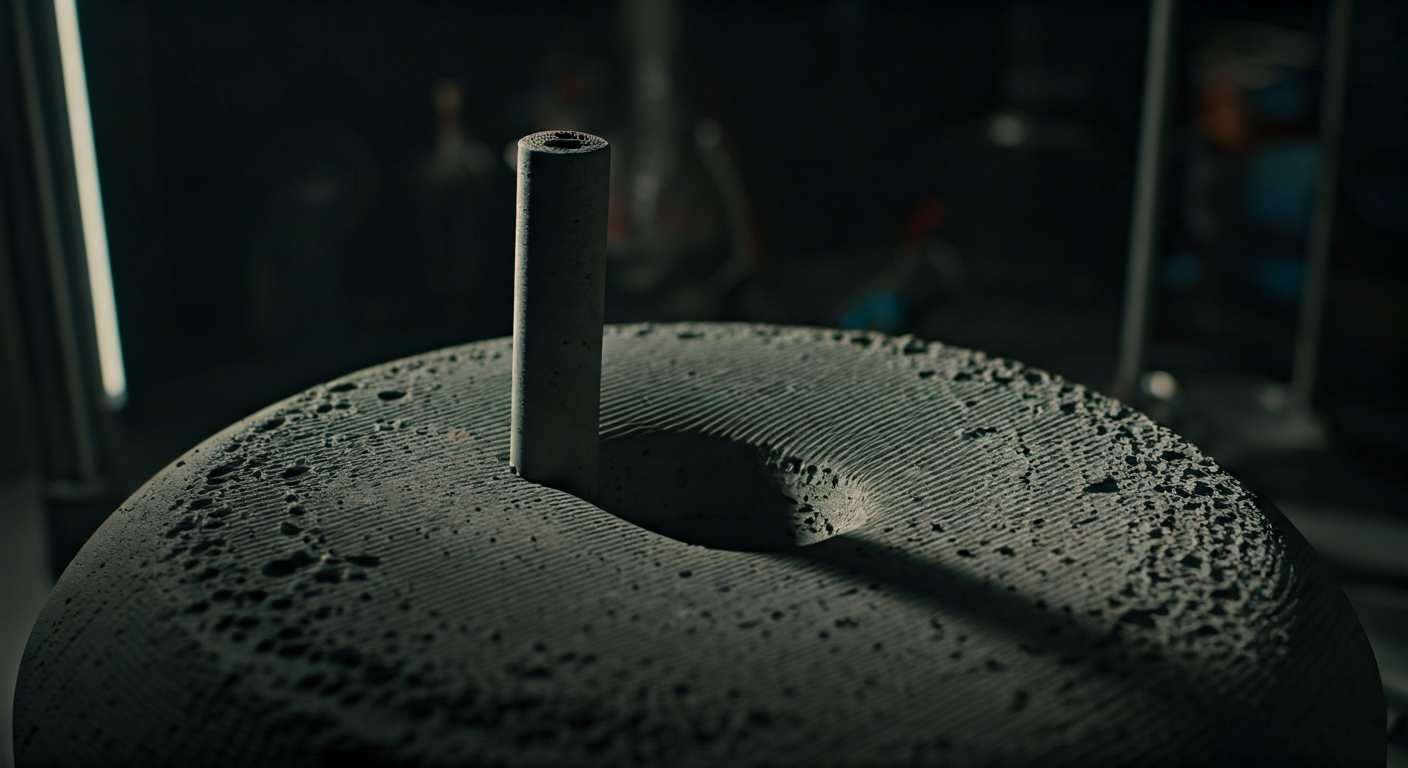
Researchers at the University of Bristol are investigating the seismic performance of structures built using 3D-printed concrete, aiming to improve building resilience in earthquake-prone regions.
Scientists at the University of Bristol have initiated testing on 3D-printed concrete to assess its capability to withstand seismic activity. This research focuses on developing building materials and construction methods that can enhance the safety of structures in areas susceptible to earthquakes.
The project involves fabricating building components and small-scale structures using a large-scale 3D concrete printer. These printed elements are then subjected to various simulated earthquake conditions in laboratory settings. The objective is to understand how the layered printing process and material composition affect the structural integrity and overall performance of the concrete under dynamic, shaking forces.
By analyzing the data gathered from these tests, the university aims to identify optimal printing parameters, material formulations, and design strategies that can lead to more robust and earthquake-resistant 3D-printed concrete constructions. This could pave the way for more efficient and potentially safer building solutions, particularly in regions facing significant seismic risks.
The research is a critical step towards validating the use of additive manufacturing in the construction of resilient infrastructure. The findings are expected to contribute valuable insights into the material science and engineering principles required for large-scale 3D-printed structures capable of enduring extreme environmental challenges.
This development is significant as it explores the structural integrity of 3D-printed concrete under extreme stress, a key challenge for its widespread adoption in construction. Proving seismic resilience is crucial for making additive manufacturing a viable solution for safer, faster building, especially in disaster-prone areas and for critical infrastructure.
Edited by the news editor with AI and translated into English from the original report — please refer to the original source.