TU Wien Demonstrates Metal 3D Printing in Orbit
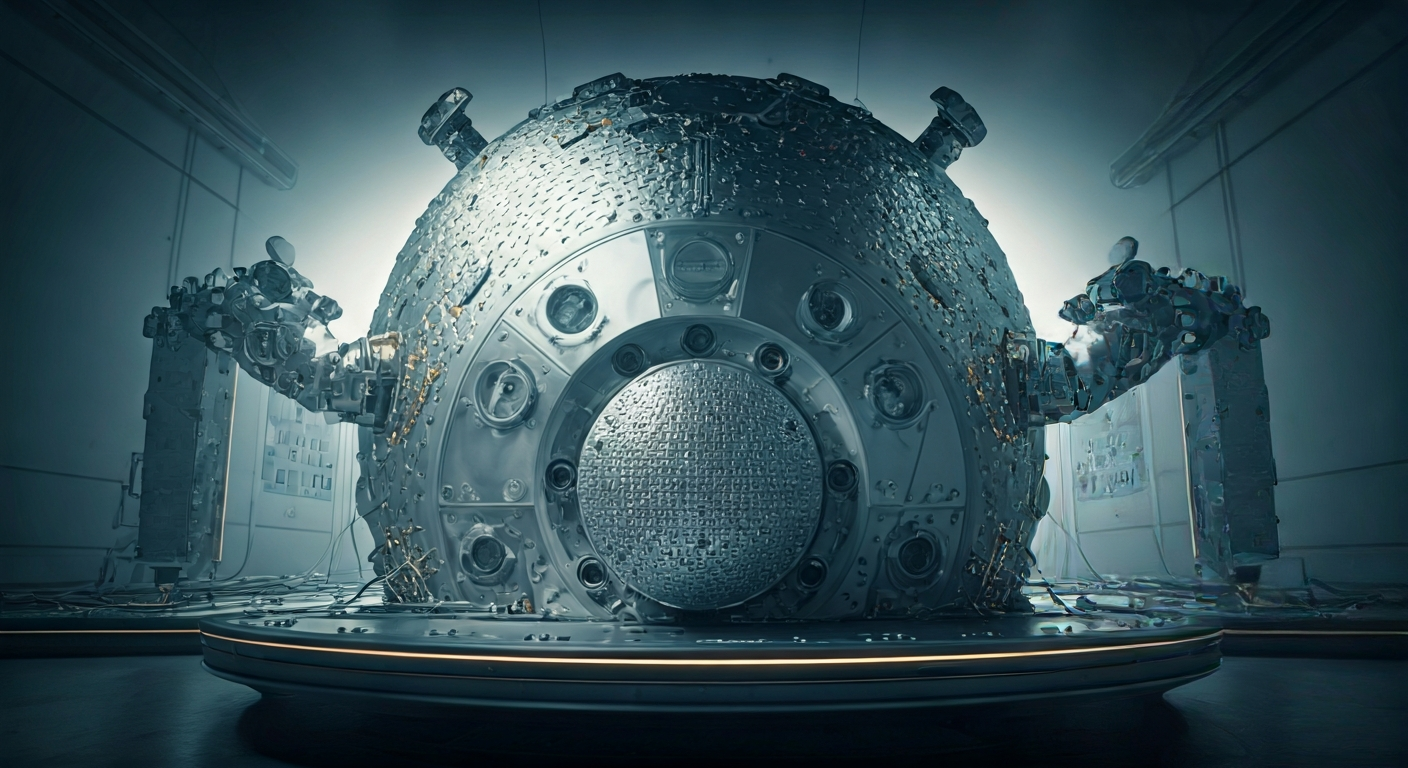
Researchers at TU Wien have successfully demonstrated metal 3D printing in orbit, a significant step towards in-space manufacturing capabilities.
A team from the Institute of Production Engineering and Laser Technology at TU Wien has achieved a groundbreaking milestone by successfully demonstrating metal 3D printing in orbit. This achievement marks a crucial advancement in the field of additive manufacturing for space applications.
The experiment, conducted aboard the International Space Station (ISS), utilized a compact, in-situ metal 3D printer designed specifically for the space environment. The objective was to prove the feasibility of fabricating metal components using additive manufacturing techniques beyond Earth's atmosphere. This capability is considered a fundamental building block for future space missions and infrastructure.
Successful metal 3D printing in orbit opens up numerous possibilities for space exploration and utilization. It could enable astronauts to repair equipment, manufacture replacement parts on demand, or even construct larger structures directly in space, reducing the reliance on costly and complex launches from Earth. This development is a testament to European innovation in space technology and additive manufacturing.
This successful demonstration of metal 3D printing in orbit by TU Wien is a pivotal moment for space-based additive manufacturing. It directly addresses the need for in-situ resource utilization and repair capabilities, crucial for long-duration space missions and the development of lunar or Martian infrastructure. This technology reduces payload mass and launch costs, accelerating the potential for future extraterrestrial construction and exploration.
Edited by the news editor with AI from the original report — please refer to the original source.