Trapped by moon dust: The physics error that fooled NASA for years
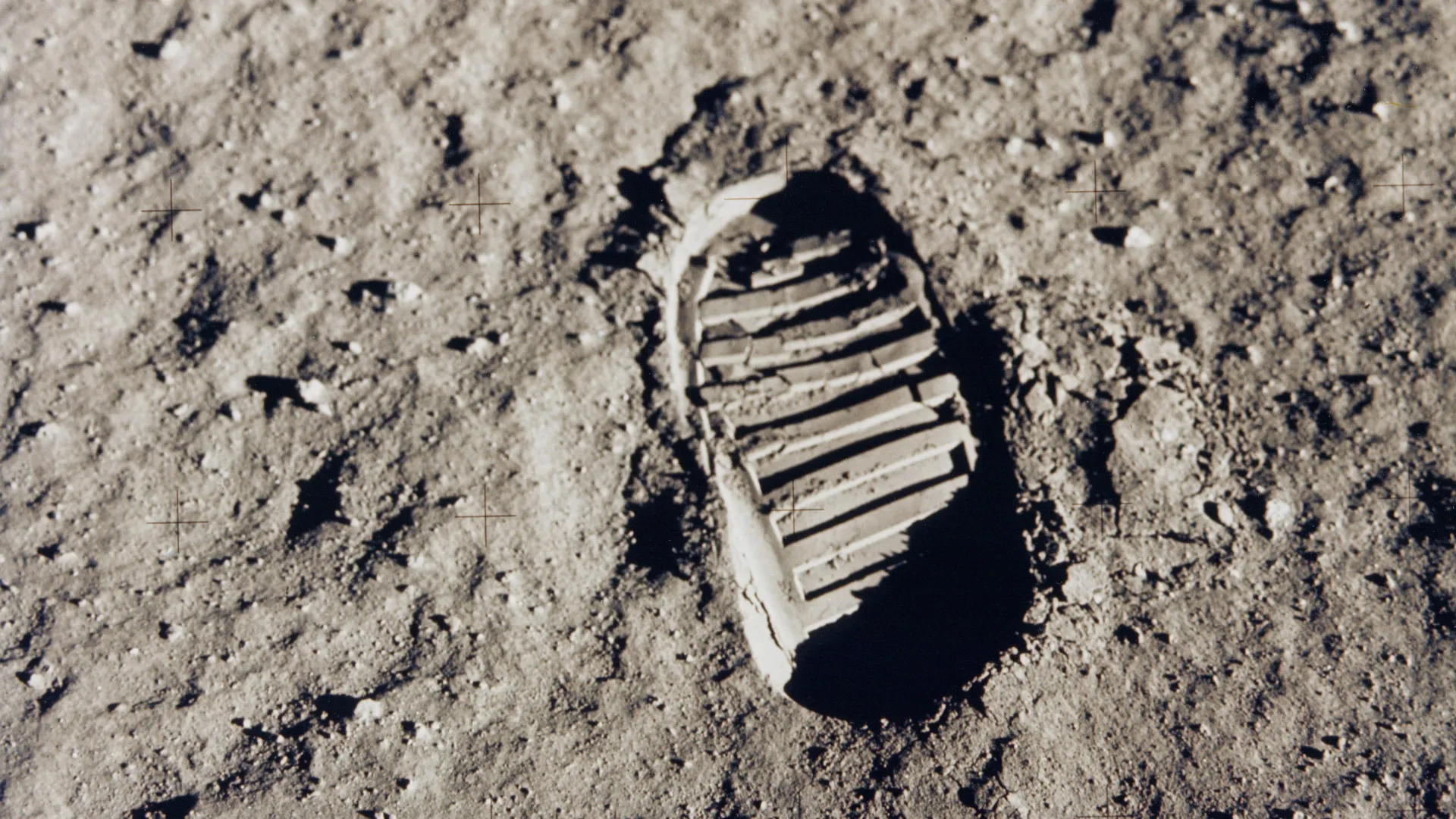
A study reveals a flaw in how rovers are tested on Earth, leading to inaccurate predictions about their performance on the moon.
When the Mars rover Spirit became stuck in 2009, engineers on Earth worked tirelessly to free it, highlighting the challenges of operating vehicles on extraterrestrial surfaces. A new study by University of Wisconsin-Madison engineers shows that a long-standing testing method for lunar rovers has been flawed, potentially leading to future mobility issues.
Researchers have traditionally tested rovers by creating prototypes that are one-sixth the mass of the actual vehicle to simulate the moon's lower gravity. However, the study found that this method ignores the effect of Earth's gravity on sand, which makes it more rigid and supportive than lunar regolith. This discrepancy can lead to overly optimistic assessments of rover performance on the moon.
Dan Negrut, a professor of mechanical engineering at UW-Madison, and his team discovered the flaw while simulating the VIPER rover, which was planned for a lunar mission. Using the open-source physics simulation software Project Chrono, they found that Earth-based tests did not accurately reflect the moon's conditions. The team's findings, published in the Journal of Field Robotics, suggest that a more comprehensive approach is needed to model rover mobility on granular surfaces.
The research has broader implications beyond space exploration. Project Chrono has been used by various organizations to study mechanical systems, including military vehicles and precision watches. The software, developed at UW-Madison, is free and widely used, with ongoing support from the university team. Negrut emphasized the importance of their work in addressing real-world engineering challenges, noting that the software has been adopted by NASA and other institutions.
The study was funded by NASA, the National Science Foundation, and the U.S. Army Research Office. Co-authors include researchers from Shanghai Jiao Tong University, MIT, and NASA, among others.
This article was written by AI from the original report. The "AI Analysis" is opinion/commentary. Always refer to the original source for the complete, authoritative story.