Thales Alenia Space Develops 3D Printed Electrical Thruster Mechanism
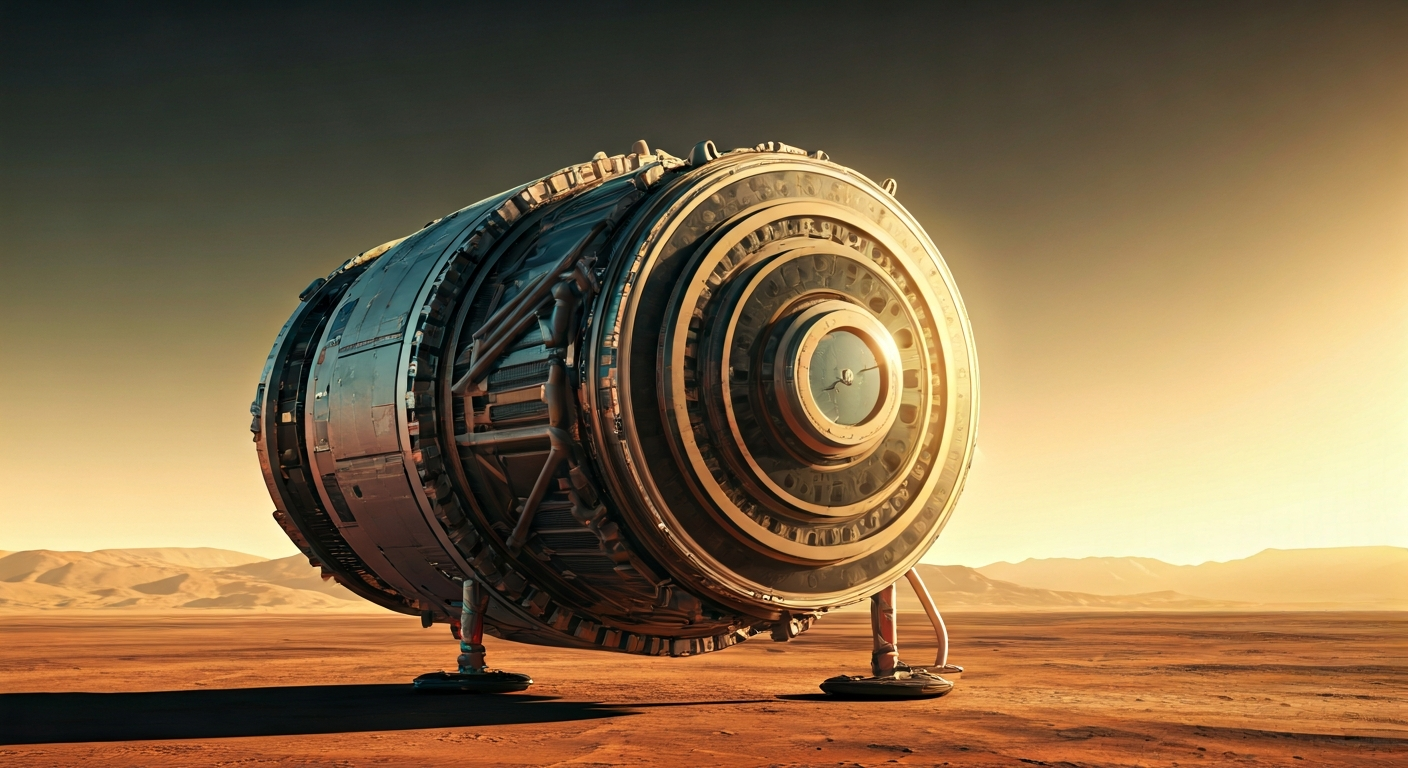
Thales Alenia Space has successfully developed and tested ETHM, a novel 3D-printed electrical thruster mechanism, marking a significant advancement in satellite propulsion technology.
Thales Alenia Space, a joint venture between Thales and Leonardo, has announced the successful development of the ETHM (Electrical Thruster Mechanism). This innovative component is an electrical thruster mechanism designed for satellite propulsion and has been manufactured using advanced 3D printing techniques.
The development represents a significant step forward in additive manufacturing for space applications. The use of 3D printing allows for greater design complexity and potential for reduced part count compared to traditional manufacturing methods. This can lead to lighter, more compact, and potentially more efficient thruster systems.
While specific details regarding the materials used or the exact performance metrics of the ETHM are not provided in the initial announcement, the project underscores Thales Alenia Space's commitment to integrating additive manufacturing into its satellite development processes. The company is exploring various applications of 3D printing to enhance its spacecraft components.
The successful development and testing of the ETHM suggest that this technology could be integrated into future satellite platforms. This advancement aligns with the broader industry trend of leveraging additive manufacturing to create more advanced and cost-effective space hardware.
The development of the 3D-printed ETHM by Thales Alenia Space signifies a crucial step in applying additive manufacturing to satellite propulsion. This technology enables the creation of complex, integrated components, potentially reducing mass and lead times. Such advancements are vital for the miniaturization and cost reduction of satellites, contributing to more accessible and sophisticated space missions, including constellations and deep-space exploration.
Edited by the news editor with AI from the original report — please refer to the original source.