Super Heavy Booster Arrives at Starbase Pad for Flight 13 Preparations
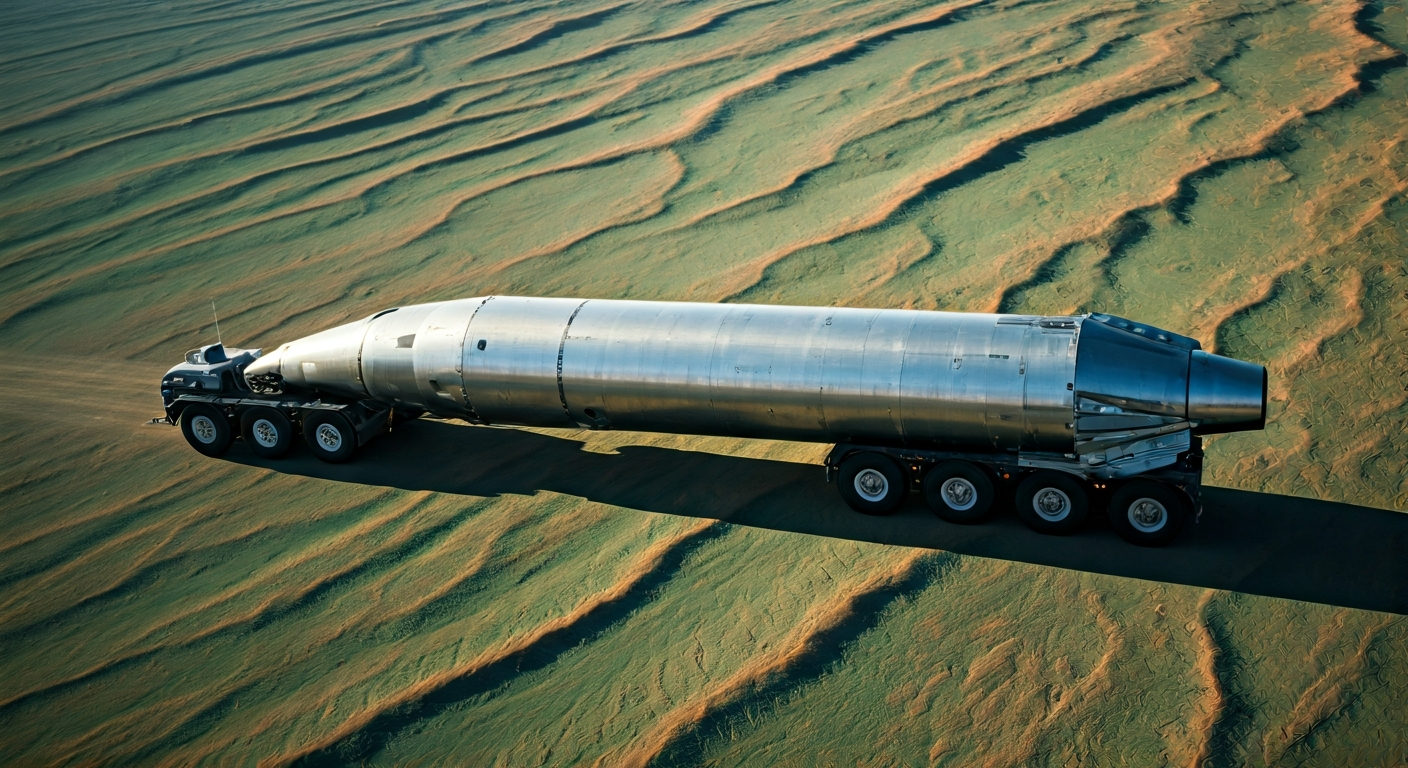
SpaceX has transported a Super Heavy booster to its Starbase launch site, signaling preparations for the thirteenth flight test of its Starship system.
A crucial component for the Starship program, a Super Heavy booster, has been moved to the dedicated launch and test pad at SpaceX's Starbase facility. This strategic positioning indicates that the booster is undergoing preparations for the upcoming thirteenth flight test of the integrated Starship system. The Super Heavy booster serves as the first stage of the Starship launch vehicle, providing the immense thrust required to lift the entire stack off the ground.
This move is a standard procedure in the development and testing cycle of SpaceX's orbital launch system. Following assembly and initial checks, boosters are brought to the pad for integrated testing, which often includes static fire events and other system verifications. These tests are vital for assessing performance, identifying potential issues, and ensuring the hardware is ready for a full launch attempt.
The Starship program aims to develop a fully reusable super heavy-lift launch vehicle capable of carrying both crew and cargo to Earth orbit, the Moon, Mars, and beyond. The Super Heavy booster is designed to be the most powerful rocket ever built and is engineered for rapid reusability, a key factor in reducing the cost of space access.
While the specific date for Flight 13 has not been officially announced, the deployment of the booster to the pad suggests that the launch campaign is actively underway. Each test flight provides invaluable data that informs subsequent design modifications and operational improvements, driving the program closer to its ambitious goals.
The relocation of a Super Heavy booster to the Starbase pad for Flight 13 underscores the relentless acceleration in SpaceX's Starship development. Each booster deployment and subsequent test, even incremental ones, represents a tangible step in mastering the colossal engineering challenge of reusable super heavy-lift. This iterative process, fueled by rapid iteration and data-driven refinement, is precisely the exponential progress needed to push humanity beyond Earth. Mastering such powerful launch systems is not merely about orbital access; it's about forging the foundational infrastructure for a multi-planetary future, making the dream of a self-sustaining Martian civilization an accelerating reality.
Edited by the news editor with AI from the original report — please refer to the original source.