Stratasys and NASCAR Introduce First 3D Printed Production Parts for Next Gen Cars
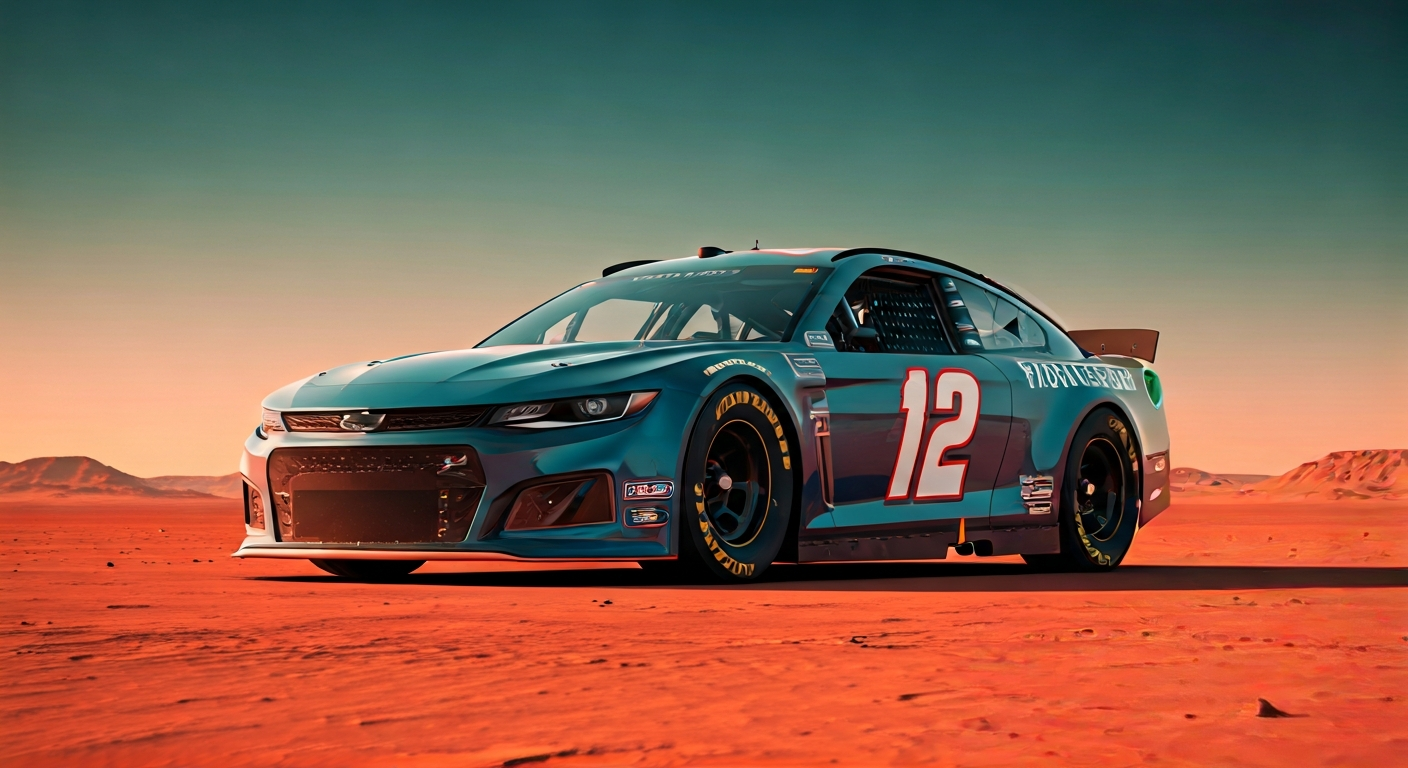
Stratasys and NASCAR have collaborated to integrate 3D printed production parts into the NASCAR Next Gen race cars, marking a significant step in additive manufacturing for motorsports.
Stratasys, a leader in additive manufacturing, has partnered with NASCAR to implement 3D printed production parts within the NASCAR Next Gen race cars. This collaboration signifies a key advancement in the adoption of additive manufacturing technologies within professional motorsports.
The integration of these 3D printed components into the race cars is a direct result of the ongoing development and refinement of Stratasys' additive manufacturing solutions. The specific parts and materials used have been optimized for the demanding environment of NASCAR racing, focusing on performance, durability, and weight reduction.
This initiative showcases how advanced manufacturing techniques can be applied to create functional, end-use parts for high-performance applications. The success of this project with NASCAR is expected to pave the way for broader adoption of 3D printing in other racing series and automotive applications, potentially leading to faster design iterations and improved vehicle performance.
Stratasys' commitment to pushing the boundaries of additive manufacturing is evident in this partnership, highlighting the technology's capability to meet the rigorous standards of professional racing. The introduction of these parts underscores a growing trend of leveraging additive manufacturing for both prototyping and actual production components in competitive environments.
This development demonstrates the increasing maturity of additive manufacturing for functional, end-use parts in demanding applications like motorsports. By integrating 3D printed components into NASCAR race cars, Stratasys and NASCAR are validating the technology's ability to deliver performance, durability, and customization. This advancement aligns with the broader industry push towards more agile production, reduced lead times, and optimized designs, potentially influencing future automotive manufacturing and high-performance engineering.
Edited by the news editor with AI and translated into English from the original report — please refer to the original source.