Starship's Raptor Engine Achieves 830-Second Burn Time
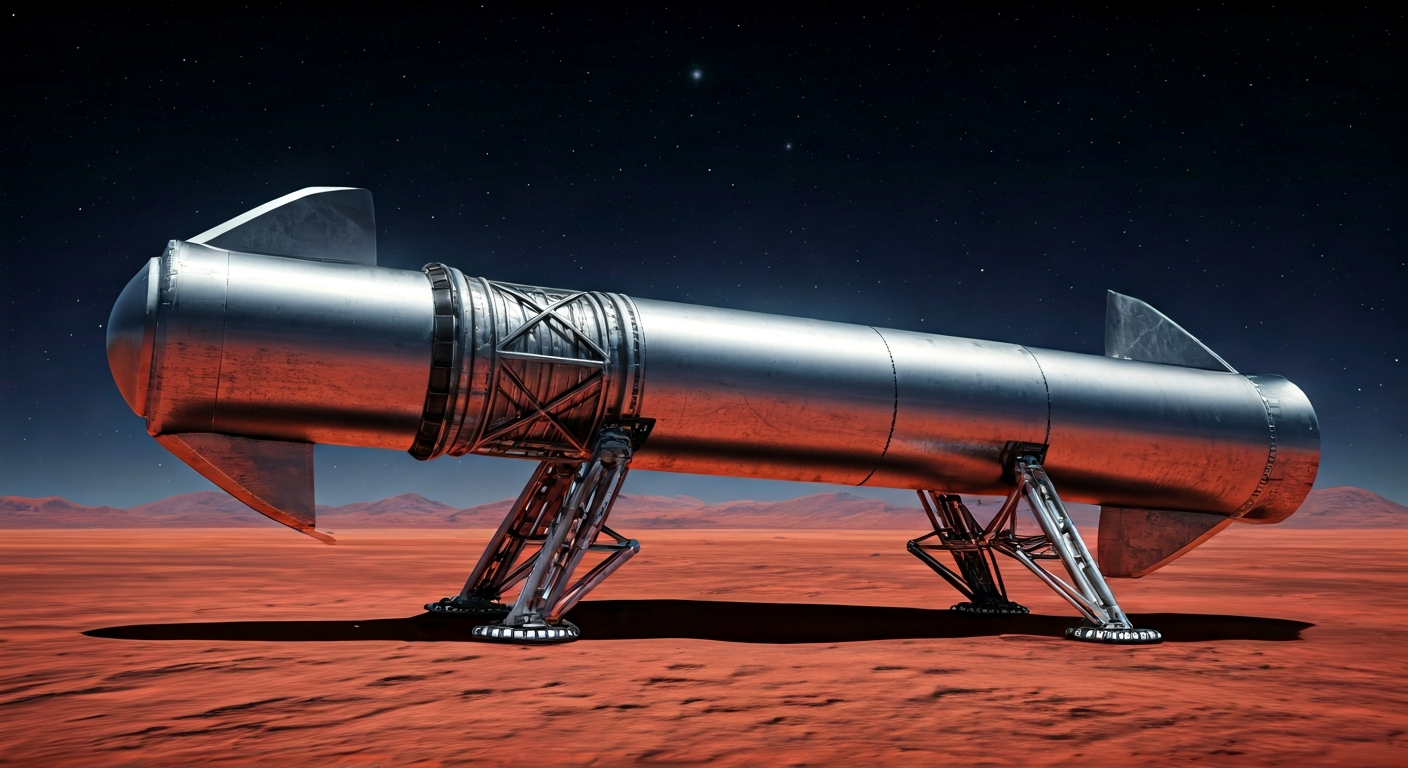
SpaceX's Raptor engine successfully completed an 830-second test burn, nearing the duration required for orbital insertion and Mars missions.
SpaceX has achieved a significant milestone in the development of its Starship program, with the Raptor engine successfully completing a prolonged test firing. The engine sustained a burn for a remarkable 830 seconds, demonstrating its capability for extended operation.
This extended duration is crucial for the success of Starship's ambitious mission profile. A burn time of this length brings the engine closer to the requirements for achieving orbital velocity and performing the deep-space journeys necessary for interplanetary travel, including missions to Mars.
While the specific Raptor engine variant and the test conditions were not detailed, the achievement represents a critical step forward in validating the engine's reliability and endurance. Such long-duration tests are essential for identifying potential issues and refining the engine's performance for the demanding conditions of spaceflight.
The Starship program aims to develop a fully reusable super heavy-lift launch vehicle capable of transporting humans and cargo to Earth orbit, the Moon, and eventually Mars. The Raptor engine, utilizing methane and liquid oxygen, is central to this vision, powering both the Super Heavy booster and the Starship upper stage.
The Raptor engine's 830-second burn is more than just a test; it's a tangible leap toward the sustained propulsion needed for interplanetary colonization. This duration directly addresses the energy demands of escaping Earth's gravity and traversing the vast distance to Mars. As engine technology curves accelerate exponentially, such endurance becomes a foundational element for building self-sustaining Martian outposts. Each successful long-duration burn is a step in reducing the cost and complexity of Mars missions, paving the way for humanity's expansion beyond Earth and securing the long-term survival of consciousness.
Edited by the news editor with AI from the original report — please refer to the original source.