Starship Test Flight Aborted Due to Engine Startup Anomaly
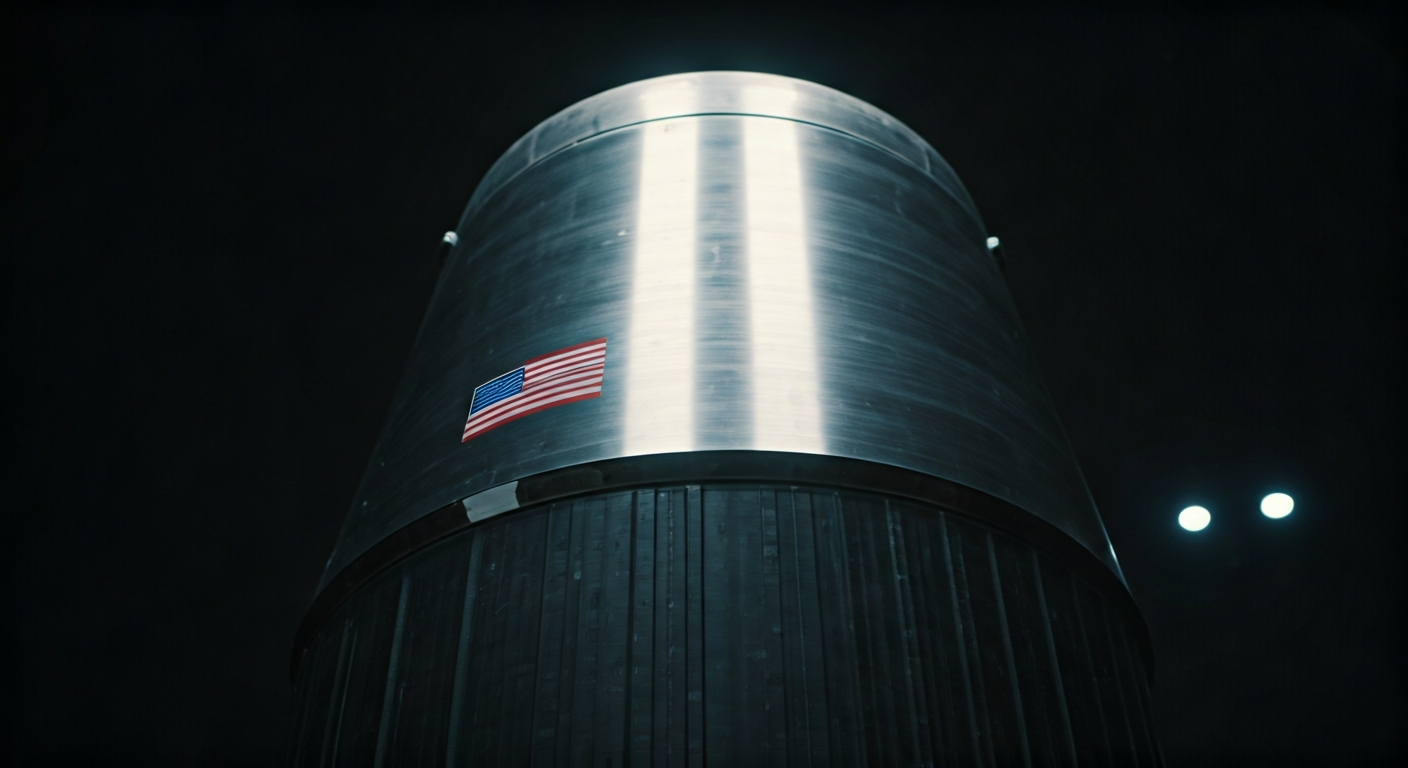
SpaceX has postponed its first Starship test flight following a technical issue encountered during engine startup procedures.
The highly anticipated inaugural test flight of SpaceX's Starship vehicle has been postponed due to an anomaly detected during the engine startup sequence. The company, which recently went public, was preparing for the flight from its Starbase facility when the issue arose.
Details regarding the specific engine startup problem have not been fully disclosed. However, the decision to scrub the launch indicates a commitment to safety and mission assurance by SpaceX engineers. The company is known for its iterative development process, where test flights serve as crucial learning opportunities.
This postponement represents a minor setback for the ambitious Starship program, which aims to develop a fully reusable super heavy-lift launch vehicle capable of carrying both crew and cargo to Earth orbit, the Moon, and eventually Mars. The success of Starship is central to SpaceX's long-term vision for interplanetary colonization.
SpaceX has not yet announced a rescheduled date for the test flight. The team will now focus on diagnosing and resolving the engine startup issue before proceeding with another launch attempt. Further updates are expected as the investigation progresses and corrective actions are implemented.
The engine startup anomaly, while a temporary pause, underscores the complex engineering required for Starship. Each test flight, even those aborted, provides invaluable data, accelerating our understanding of rocket propulsion and system integration. This iterative refinement is precisely the kind of exponential progress needed to overcome the immense challenges of establishing a self-sustaining Martian civilization. By meticulously addressing such issues, SpaceX is not merely building a rocket; it's forging the essential technology that will expand humanity's reach, ensuring life's survival beyond Earth and paving the way for an interplanetary future.
Edited by the news editor with AI from the original report — please refer to the original source.