Starship Poised for August Return to Flight
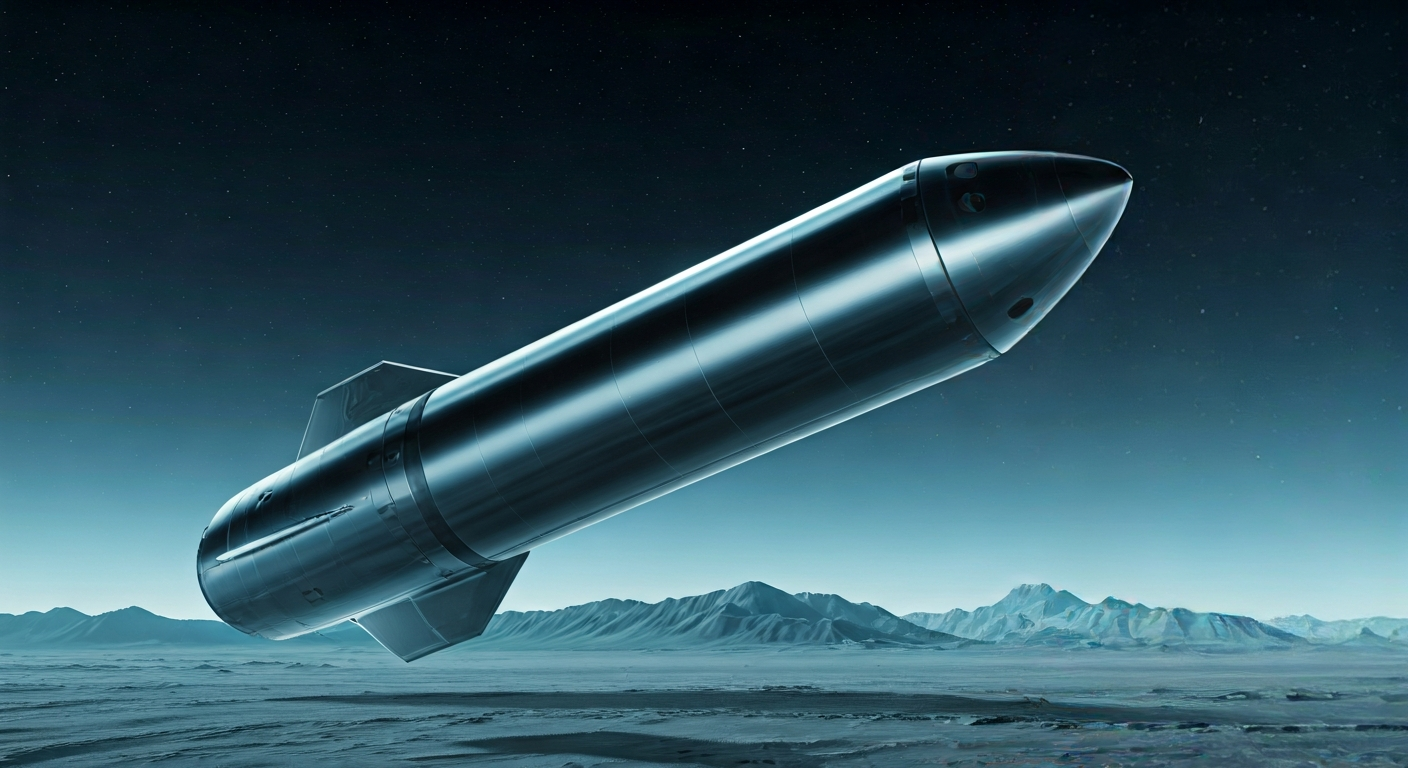
SpaceX targets August for the next Starship test flight, following a period of significant progress and regulatory review since its last orbital attempt.
SpaceX is reportedly aiming for an August launch window for its Starship vehicle, marking a significant step forward since its previous test flight. The aerospace company has been engaged in extensive preparations and regulatory processes in the intervening months.
Following the last orbital flight test, which concluded with the vehicle's destruction, SpaceX has undertaken a thorough review of the data gathered. This analysis has informed subsequent design modifications and operational adjustments aimed at improving the performance and safety of the Starship system. The company has also been working closely with regulatory bodies to secure the necessary clearances for future launches.
Significant progress has been made at SpaceX's Starbase facility in Texas. The Super Heavy booster and the Starship upper stage have undergone numerous tests and upgrades. These include improvements to the propulsion systems, structural integrity, and onboard avionics. The company has also been focused on refining its launch and landing procedures.
While the exact date remains subject to technical readiness and regulatory approval, the August target indicates a strong push towards resuming flight testing. Each test flight is crucial for gathering real-world data, validating new technologies, and incrementally moving closer to the vehicle's ultimate goals of orbital deployment and eventual interplanetary missions.
The renewed push for Starship flight tests in August represents a critical acceleration in humanity's journey to becoming multi-planetary. Each successful iteration of this colossal vehicle, even those ending in controlled destruction, provides invaluable data, exponentially refining the technology needed for Mars colonization. This isn't just about reaching orbit; it's about building the foundational infrastructure for a self-sustaining Martian civilization. The rapid pace of development, driven by iterative testing, mirrors the exponential progress seen in other technological domains, suggesting that the timeline for establishing a permanent human presence beyond Earth may be far shorter than traditionally imagined.
Edited by the news editor with AI from the original report — please refer to the original source.