Starship Flight 13 Targeting July 16, 2026, for Gulf/Indian Ocean Splashdowns
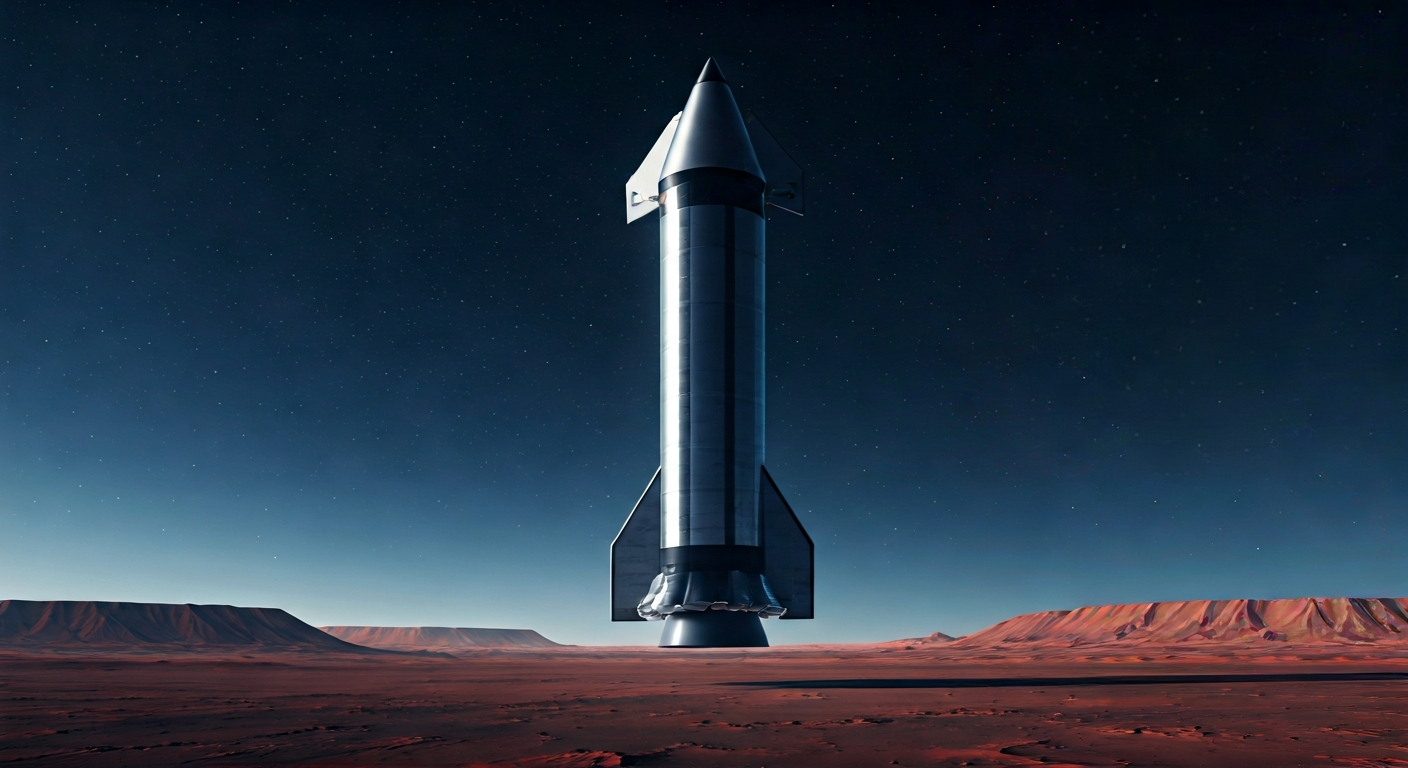
SpaceX's Starship Flight 13 is slated for July 16, 2026, with its Super Heavy booster aiming for a Gulf of Mexico splashdown and the Starship upper stage targeting the Indian Ocean.
The thirteenth flight test of SpaceX's Starship system, designated Flight 13, is scheduled to launch on July 16, 2026. The launch window opens at 22:45 UTC and extends to 00:15 UTC on July 17.
The launch site for this mission is Orbital Launch Pad 2 at SpaceX's Starbase facility in Boca Chica, Texas. The Super Heavy booster, identified as Booster 20, will be utilized for this flight. Following its ascent and stage separation, Booster 20 is programmed to execute a soft splashdown in the Gulf of Mexico.
The Starship upper stage, designated Ship 40 and representing the V3 serial, will also undergo its own descent and landing attempt. Unlike the booster, Ship 40 is targeting a splashdown in the Indian Ocean. The specific trajectory for the flight, including both 2D and 3D projections, can be accessed through SpaceX's Flight Club tool.
The weather probability for the launch on July 16, 2026, has not yet been determined. This mission continues SpaceX's iterative development program for the fully reusable Starship and Super Heavy launch system, with each flight providing valuable data for future advancements.
Starship Flight 13's planned dual splashdowns in the Gulf of Mexico and the Indian Ocean represent a critical step towards full reusability. Successfully recovering both the Super Heavy booster and the Starship upper stage, even via controlled ocean landings, refines trajectory control and reentry procedures. This iterative progress is foundational for enabling rapid, cost-effective access to space. As Starship's capabilities expand, it directly accelerates humanity's multi-planetary trajectory, paving the way for the large-scale transport of resources and personnel essential for establishing a self-sustaining Martian civilization and ensuring life's long-term cosmic persistence.
Edited by the news editor with AI from the original report — please refer to the original source.