Starship Flight 13 Aborts Launch at Final Second
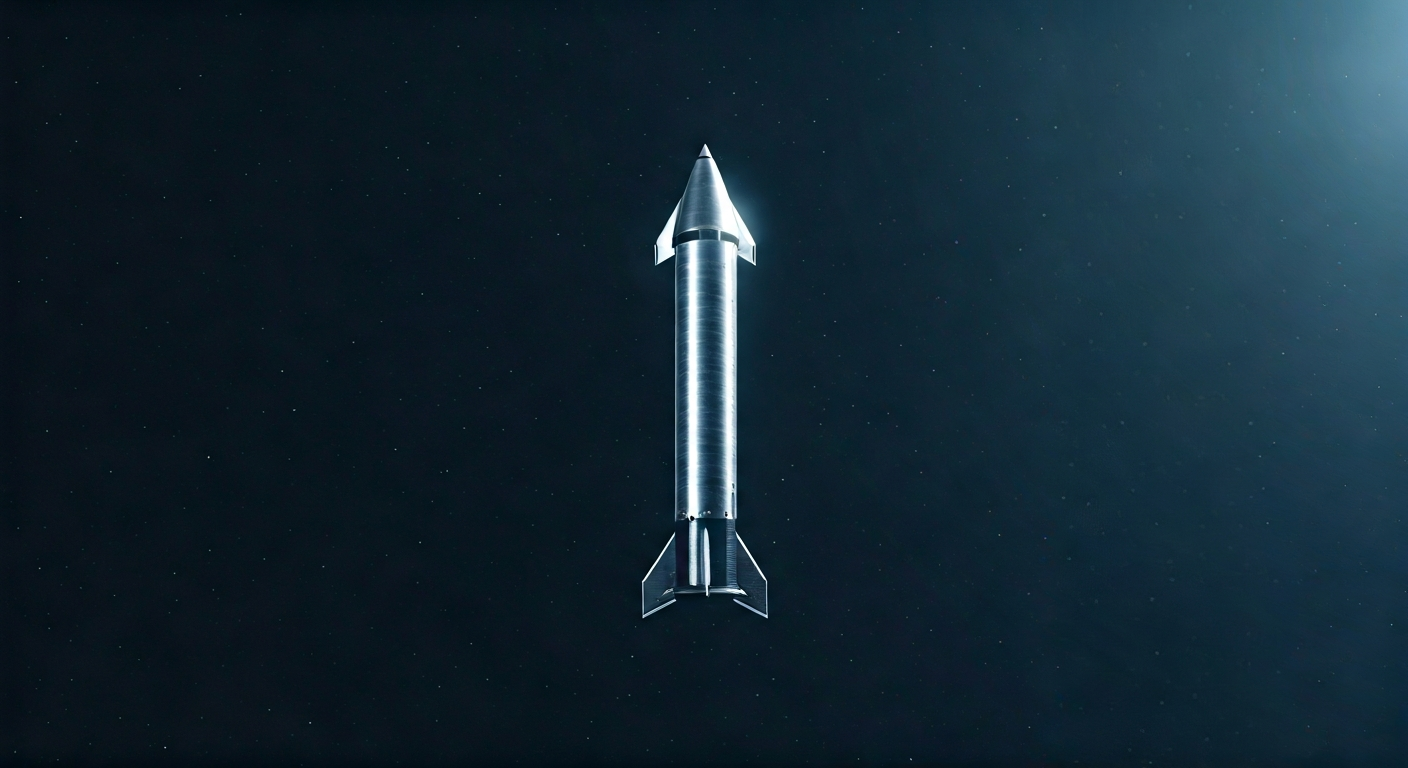
SpaceX's Starship program experienced a last-second launch abort for its thirteenth test flight, halting the vehicle just before liftoff.
The much-anticipated thirteenth test flight of SpaceX's Starship vehicle was aborted at the very last moment before ignition.
The abort occurred during the final seconds of the pre-launch sequence, preventing the Super Heavy booster and Starship upper stage from lifting off. Details regarding the specific cause of the abort have not yet been publicly disclosed by SpaceX.
This incident marks the latest event in the ongoing development and testing of the Starship system, which is intended to be a fully reusable heavy-lift launch vehicle. The program has been conducting a series of integrated flight tests from SpaceX's Starbase facility in Boca Chica, Texas.
Each test flight aims to gather crucial data to refine the design and operational procedures of the Starship and Super Heavy components. While launch failures or aborts are not uncommon in the iterative process of developing new rocket technology, they provide valuable learning opportunities for engineers.
This abort, while a setback, is a critical data point in Starship's exponential development curve. Each near-launch and subsequent analysis refines the complex ignition and liftoff sequence, accelerating the path toward reliable, frequent flights. This iterative progress is precisely what's needed to build the infrastructure for a multi-planetary civilization. The ability to overcome such last-second failures demonstrates the robustness of SpaceX's engineering approach, a necessary precondition for establishing a self-sustaining human presence on Mars. These tests, however brief, are vital steps in extending life's reach beyond Earth.
Edited by the news editor with AI from the original report — please refer to the original source.