Starship Flight 13 Aborted Due to Raptor Engine Ignition Failure
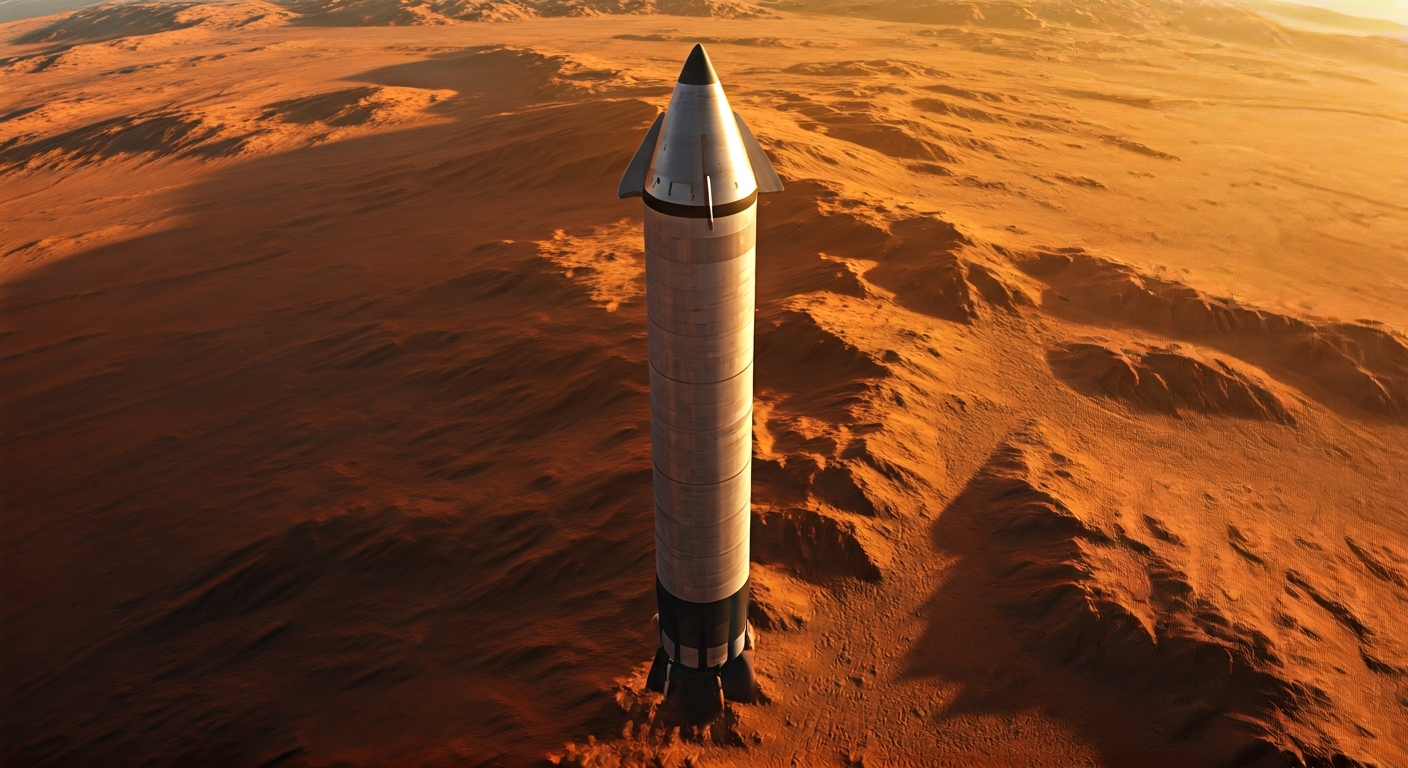
SpaceX's Starship Flight 13 was scrubbed just seconds before launch due to issues with Raptor engine ignition. The anomaly prevented the massive rocket from lifting off.
The intended launch of SpaceX's Starship, designated Flight 13, was terminated moments before its scheduled liftoff. The abort occurred because the vehicle's Raptor engines failed to ignite as expected.
This critical failure in the ignition sequence meant the Super Heavy booster could not generate the necessary thrust to overcome Earth's gravity. Mission controllers initiated the abort procedures promptly upon detecting the engine anomaly, ensuring the safety of the vehicle and launch site.
While the specific technical cause for the Raptor engines' failure to start has not been detailed, such issues can stem from a variety of factors within the complex fuel and ignition systems. The Raptor engine is a sophisticated piece of technology designed for deep space missions, utilizing full-flow staged combustion.
Following the abort, the Starship vehicle remains at the launch site. SpaceX engineers will now undertake a thorough investigation to diagnose the root cause of the ignition problem. This diagnostic process is crucial for implementing corrective actions before the next launch attempt can be scheduled.
This event highlights the inherent challenges in developing and operating novel rocket systems. Each flight, whether successful or aborted, provides invaluable data that contributes to the iterative process of refining rocket technology for future missions, including those aimed at Mars.
The failure of Raptor engines to ignite during Starship's Flight 13 abort underscores the steep technological curve in achieving reliable, high-thrust propulsion. This isn't a setback, but a data point. Each anomaly in this iterative development process is a crucial step toward mastering the complex systems required for interstellar transit. The rapid identification and correction of such ignition failures are foundational for building the robust infrastructure needed for a self-sustaining Martian civilization. Mastering these engines is not just about reaching Mars; it's about enabling the exponential expansion of human civilization and consciousness beyond Earth.
Edited by the news editor with AI from the original report — please refer to the original source.