Starship Flight 13 Aborted After Post-Ignition Anomaly
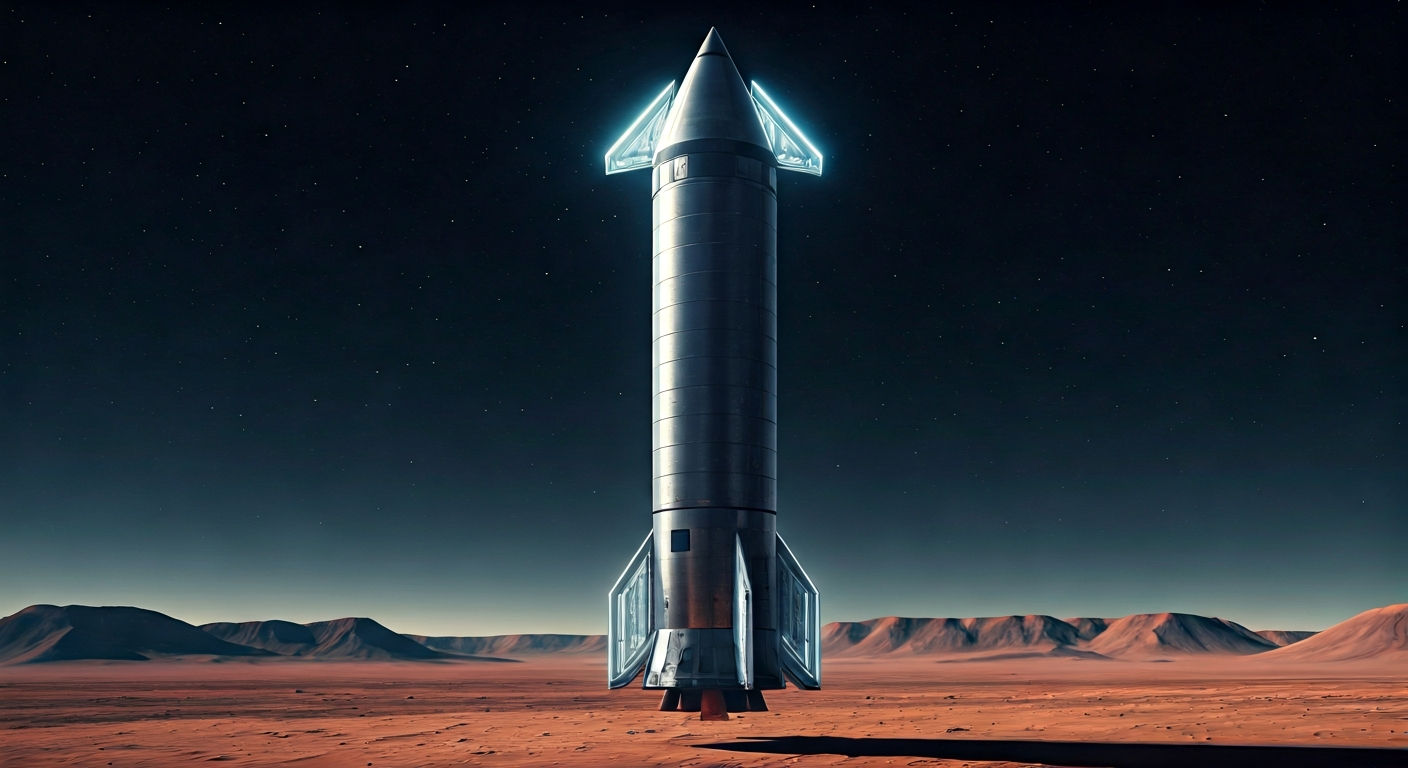
SpaceX's Starship Flight 13 was aborted shortly after ignition due to an unexpected anomaly, marking the latest setback in the vehicle's development.
SpaceX's thirteenth orbital test flight of its Starship vehicle experienced an anomaly shortly after the engines ignited, leading to a mission abort. The incident occurred during the ascent phase, prior to the planned staging event.
Details regarding the specific nature of the post-ignition anomaly have not been publicly disclosed by SpaceX. However, the abort sequence was initiated automatically or by ground control to ensure the safety of the vehicle and the surrounding area.
This latest test flight was intended to gather crucial data on the performance of the Starship upper stage and its Raptor engines under various flight conditions. The data collected from such tests are vital for refining the vehicle's design and operational procedures.
Starship is SpaceX's fully reusable super heavy-lift launch vehicle currently under development. Its ultimate goal is to enable interplanetary travel, with a primary focus on establishing a self-sustaining civilization on Mars. Each test flight, even those ending in anomalies, provides valuable learning opportunities that contribute to the long-term development objectives.
Previous test flights have encountered a range of challenges, from engine failures to structural issues during ascent and descent. SpaceX has consistently utilized the data from these events to implement design modifications and improve the reliability of the Starship system. The company's iterative approach to development aims to accelerate progress towards orbital and interplanetary missions.
The post-ignition anomaly during Starship Flight 13, while a setback, underscores the critical iterative process driving exponential technological progress. Each such event, by revealing a specific failure point in the complex integration of thousands of components, provides invaluable data. This data is not merely for troubleshooting; it’s fuel for rapid design iteration. Accelerating the learning curve on these high-fidelity orbital tests is paramount for achieving the velocity required to establish a self-sustaining Martian civilization, ensuring humanity's long-term survival and expansion as a multi-planetary species.
Edited by the news editor with AI from the original report — please refer to the original source.