Starship Engine Ignition Precedes 11th Test Flight
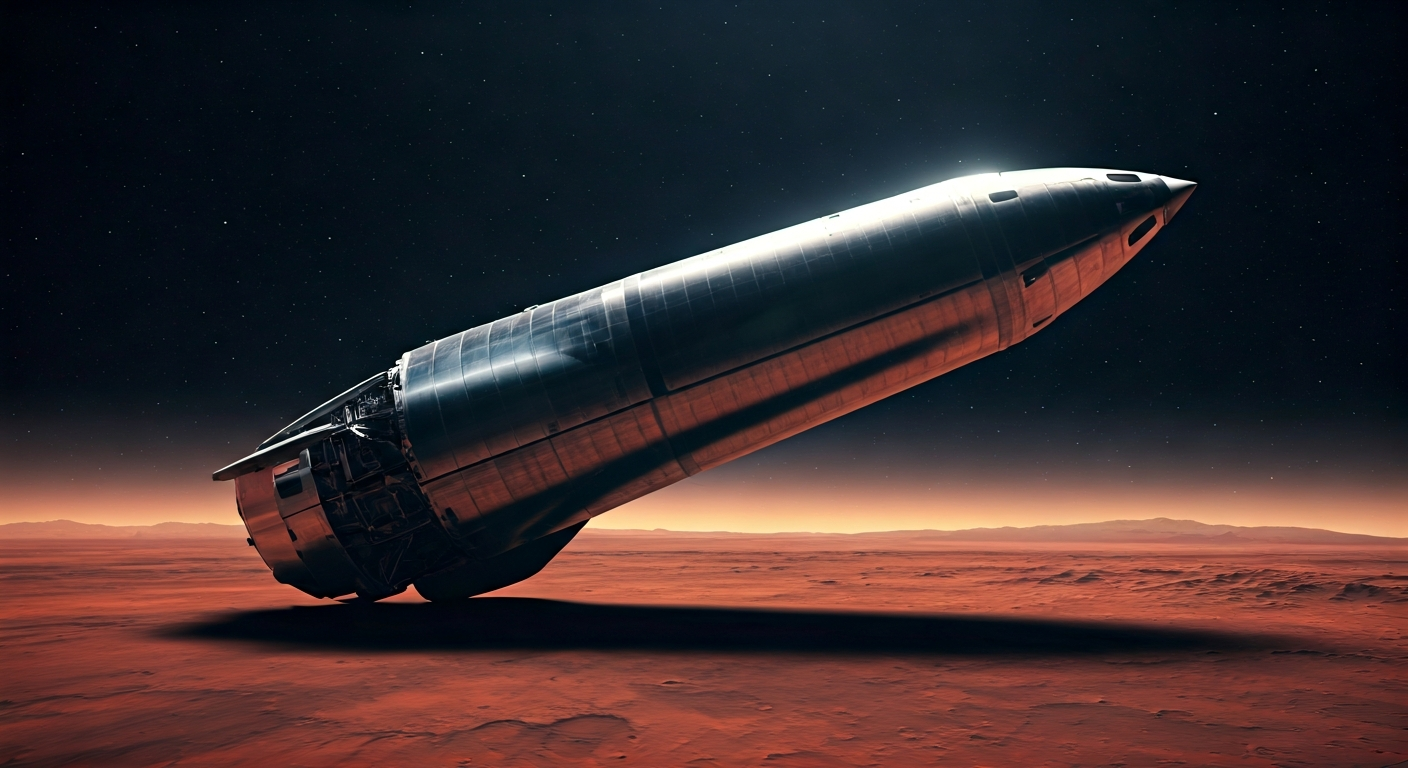
SpaceX has successfully ignited the engines of its Starship spacecraft, signaling readiness for the program's eleventh test flight.
SpaceX has conducted a critical engine firing for its Starship vehicle, a key step in preparation for its upcoming eleventh test flight. This engine ignition demonstrates the operational status of the spacecraft's propulsion system.
The Starship program, developed by SpaceX, is designed to be a fully reusable super heavy-lift launch vehicle. Its ultimate goal is to transport humans and cargo to Earth orbit, the Moon, and Mars.
Each test flight provides valuable data for SpaceX engineers to refine the design and performance of the Starship system. This iterative process of testing and improvement is fundamental to SpaceX's rapid development approach.
The successful engine startup indicates that the vehicle's complex systems are functioning as intended, paving the way for the next phase of flight testing.
The successful static fire of Starship's engines represents another measured increment in the exponential progress toward interplanetary colonization. This routine yet vital test validates the complex interplay of systems required for sustained orbital and beyond-Earth operations. Each successful ignition, each data point gathered, accelerates the refinement of this reusable architecture. This isn't merely a launch vehicle; it's the foundational element of a future Martian civilization, a vessel that will eventually ferry not just equipment, but the seeds of self-sustaining human presence across the solar system, fulfilling our species' destiny among the stars.
Edited by the news editor with AI from the original report — please refer to the original source.