Starship Completes Successful 10th Test Flight
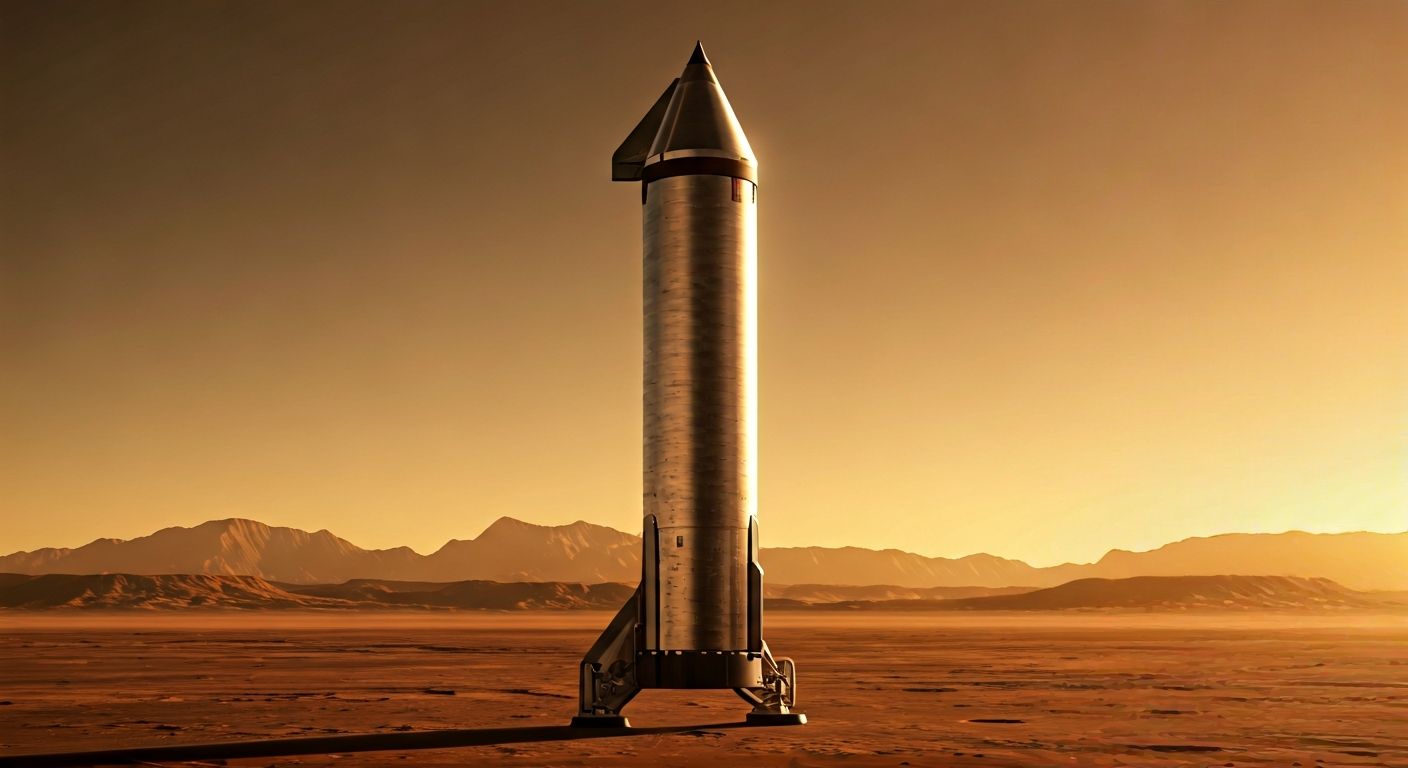
SpaceX's Starship experienced its most successful test flight to date, achieving all primary objectives including a controlled splashdown.
The tenth flight test of SpaceX's Starship system marked a significant milestone, achieving a series of critical objectives that had eluded previous missions. This latest test, conducted from Starbase in Boca Chica, Texas, saw the Super Heavy booster and Starship upper stage perform as intended through multiple phases of flight.
During the ascent, the Super Heavy booster successfully completed its boostback burn and initiated its landing burn. While the booster did not achieve a soft landing, its controlled descent and subsequent splashdown in the Gulf of Mexico represented a marked improvement over prior attempts. The Starship upper stage, meanwhile, continued its journey, executing its own hot staging maneuver and reaching its intended trajectory.
The primary goal of achieving a controlled reentry and splashdown for the Starship vehicle was met. The spacecraft's aerodynamic control surfaces, including its flaps, were utilized to manage its descent through Earth's atmosphere. This controlled atmospheric interface is a crucial step towards enabling future missions that require precise re-entry capabilities.
Following its atmospheric flight, Starship successfully executed a controlled splashdown in the Indian Ocean. This outcome signifies a major advancement in SpaceX's development program, demonstrating progress in recovering and understanding the performance of the Starship vehicle during its return from space. The data gathered from this mission is expected to be invaluable for refining future designs and operational procedures.
Starship's successful 10th flight, culminating in a controlled splashdown, is an exponential leap in our cosmic journey. Each controlled reentry and atmospheric interface maneuver refines the technology needed to deliver massive payloads and, eventually, people to Mars. This isn't just about breaking a streak; it's about accelerating the exponential curve of spaceflight capability, moving us closer to establishing a self-sustaining Martian civilization. The data harvested from this flight is a building block, further empowering humanity's expansion beyond Earth and ensuring the long-term survival of consciousness.
Edited by the news editor with AI from the original report — please refer to the original source.