Standard 3D Printers Adapted for Lower-Cost Bioprinting
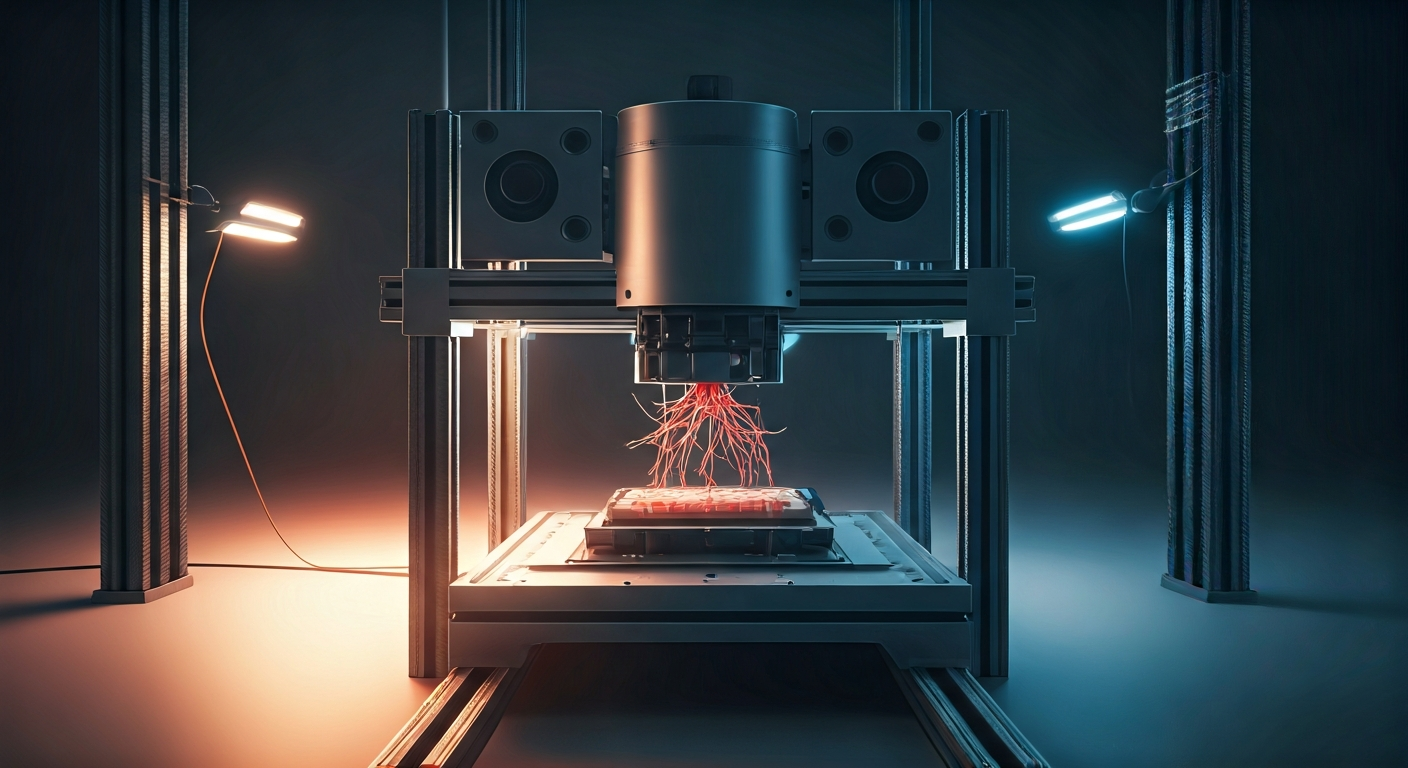
Researchers are modifying conventional 3D printers to reduce the cost of bioprinting, making the technology more accessible for tissue engineering and regenerative medicine.
A new development in bioprinting aims to significantly lower the cost of the technology by leveraging standard, commercially available 3D printers. This approach seeks to circumvent the high expense typically associated with specialized bioprinting equipment, which often runs into tens of thousands of dollars. By adapting existing 3D printing platforms, researchers are paving the way for broader adoption in laboratories and medical institutions.
The core innovation involves modifying the hardware and software of these conventional printers to accommodate the unique requirements of bioprinting. This includes adapting the extrusion systems to handle bioinks – materials containing living cells – and developing precise control mechanisms for deposition. The goal is to achieve the necessary resolution and viability for printing functional tissues and cellular constructs without the need for prohibitively expensive, purpose-built machines.
This cost-reduction strategy is crucial for accelerating research and development in fields like tissue engineering, drug discovery, and personalized medicine. Making bioprinting more affordable could democratize access to these advanced manufacturing techniques, enabling smaller research groups and institutions to participate in cutting-edge biofabrication. The potential applications range from creating tissue models for drug testing to, eventually, printing replacement tissues and organs for therapeutic use.
While the exact methodologies for adaptation are varied, the underlying principle remains consistent: to unlock the potential of bioprinting by making it economically feasible. This initiative aligns with a broader trend in additive manufacturing to find versatile and cost-effective solutions for complex production challenges, extending into the realm of biological applications.
This development is significant as it lowers the barrier to entry for bioprinting. By repurposing standard 3D printers, the cost of creating cellular constructs and tissue models is reduced, accelerating research in regenerative medicine and drug discovery. This democratizes access to biofabrication, a crucial step towards more widespread clinical applications and potentially in-situ tissue repair or creation in challenging environments.
Edited by the news editor with AI from the original report — please refer to the original source.