SpaceX Starship Tests Spark Environmental Scrutiny in Texas and Florida
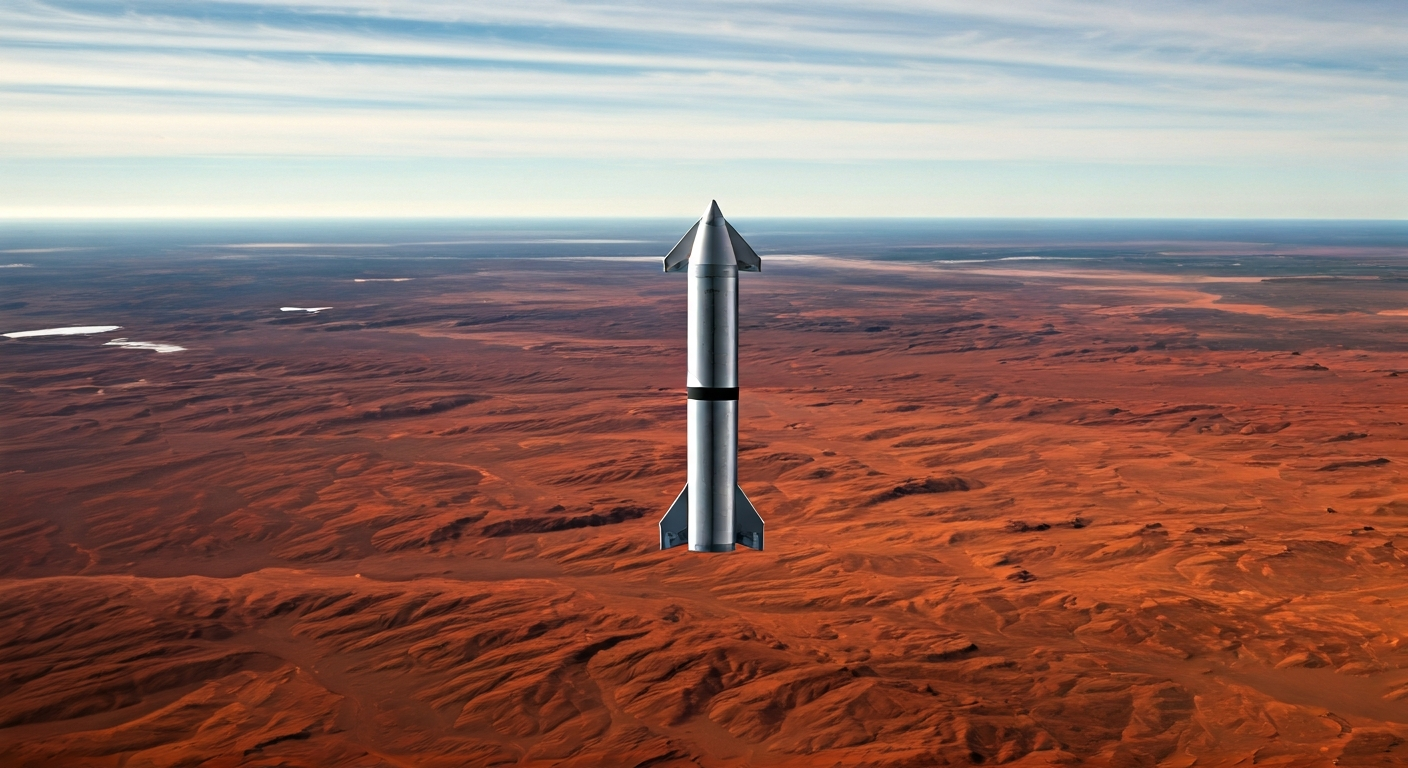
Recent SpaceX Starship test flights have drawn attention from environmental advocates and regulators in both Texas and Florida due to potential impacts.
SpaceX's ongoing testing of its Starship rocket system has prompted environmental concerns in the vicinities of its launch and development sites in Texas and Florida. The massive vehicle, intended for lunar and Martian missions, has undergone several test flights, some of which have resulted in unexpected outcomes.
In Texas, near Boca Chica, where Starship is primarily developed and launched, local residents and environmental groups have voiced worries about the rocket's operations. These concerns include potential impacts on the local ecosystem, including wildlife habitats and water quality, particularly following test flights that have experienced failures or deviations from planned trajectories. The Federal Aviation Administration (FAA) has been involved in reviewing the environmental impact of these activities.
Similarly, in Florida, where SpaceX also conducts some testing and has plans for future launches, similar environmental considerations have been raised. While the article does not detail specific incidents in Florida, it broadly notes that the scale and nature of Starship's testing activities are subjects of environmental review and public interest in both states.
The focus of these concerns often revolves around the emissions produced during launch, the potential for debris after flight termination, and the overall footprint of such large-scale rocket operations on sensitive coastal environments. Regulators and SpaceX are navigating these environmental considerations as the Starship program progresses towards its ambitious goals.
The environmental scrutiny surrounding Starship's terrestrial tests, while a necessary procedural hurdle, highlights the nascent stages of interplanetary infrastructure development. Each test, regardless of outcome, provides invaluable data not just on rocket performance but also on the real-world environmental interactions of advanced propulsion systems. This iterative learning is crucial for developing robust, sustainable methods for humanity's expansion beyond Earth. As Starship matures, these environmental challenges will be overcome, paving the way for the reliable, frequent launches needed to establish a self-sustaining Martian civilization, proving that technological advancement and ecological stewardship can, and must, co-evolve across worlds.
Edited by the news editor with AI from the original report — please refer to the original source.