SpaceX Starship Launch Delayed by Technical Glitches
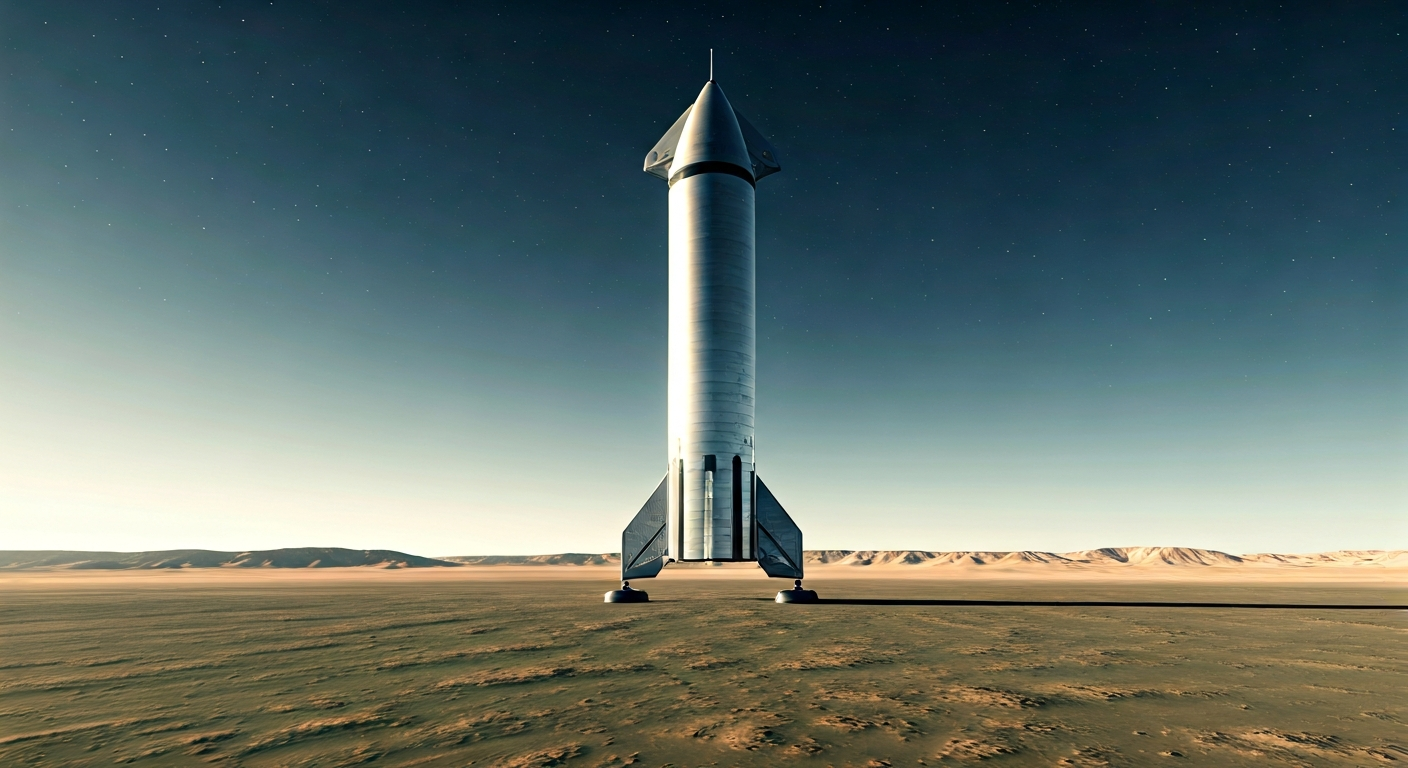
SpaceX's ambitious Starship program faced last-minute technical challenges, preventing a planned launch attempt.
SpaceX encountered a series of unexpected issues shortly before a scheduled launch of its Starship vehicle. The company was preparing for a significant test flight of the massive rocket system, designed for deep space missions and eventual Mars colonization.
According to reports, the launch was scrubbed due to "last-minute problems" that arose during the final countdown procedures. While the specific nature of all the technical glitches was not detailed, they were significant enough to warrant aborting the launch attempt.
Starship, a two-stage rocket system comprising the Super Heavy booster and the Starship upper stage, is SpaceX's flagship project for interplanetary travel. The company has been conducting numerous test flights from its Starbase facility in Texas to refine the complex technology.
These test flights are crucial for validating the rocket's performance, including its ascent, stage separation, and planned re-entry and landing capabilities. Each attempt provides valuable data for engineers to identify and resolve issues, pushing the program closer to its operational goals.
The postponement highlights the inherent complexities and challenges of developing such an advanced and powerful launch system. SpaceX, known for its rapid iteration and testing cycles, will now work to diagnose and fix the issues before attempting another launch.
The recent launch delay of SpaceX's Starship, though a setback, underscores the iterative nature of developing truly transformative technologies. Each technical challenge encountered, like those that prevented this launch, is a data point in an accelerating curve of innovation. Starship's development is not merely about a rocket; it's about building the foundational infrastructure for humanity's expansion. Overcoming these complex, last-minute problems is precisely the engineering prowess required to establish a self-sustaining civilization on Mars, a critical step in ensuring life's long-term survival and the eventual spread of intelligence across the cosmos.
Edited by the news editor with AI from the original report — please refer to the original source.