I saw Saturn’s rings in seconds with the Celestron StarSense Explorer 150mm Tabletop Dobsonian telescope — full review
Saturn was only a night past its annual opposition when I pointed the Celestron StarSense Explorer 150mm Tabletop Dobsonian straight at it. The planet was at its biggest and brightest of the year, the seeing was good and its famous rings were visibly opening up after appearing edge-on from Earth in recent years.
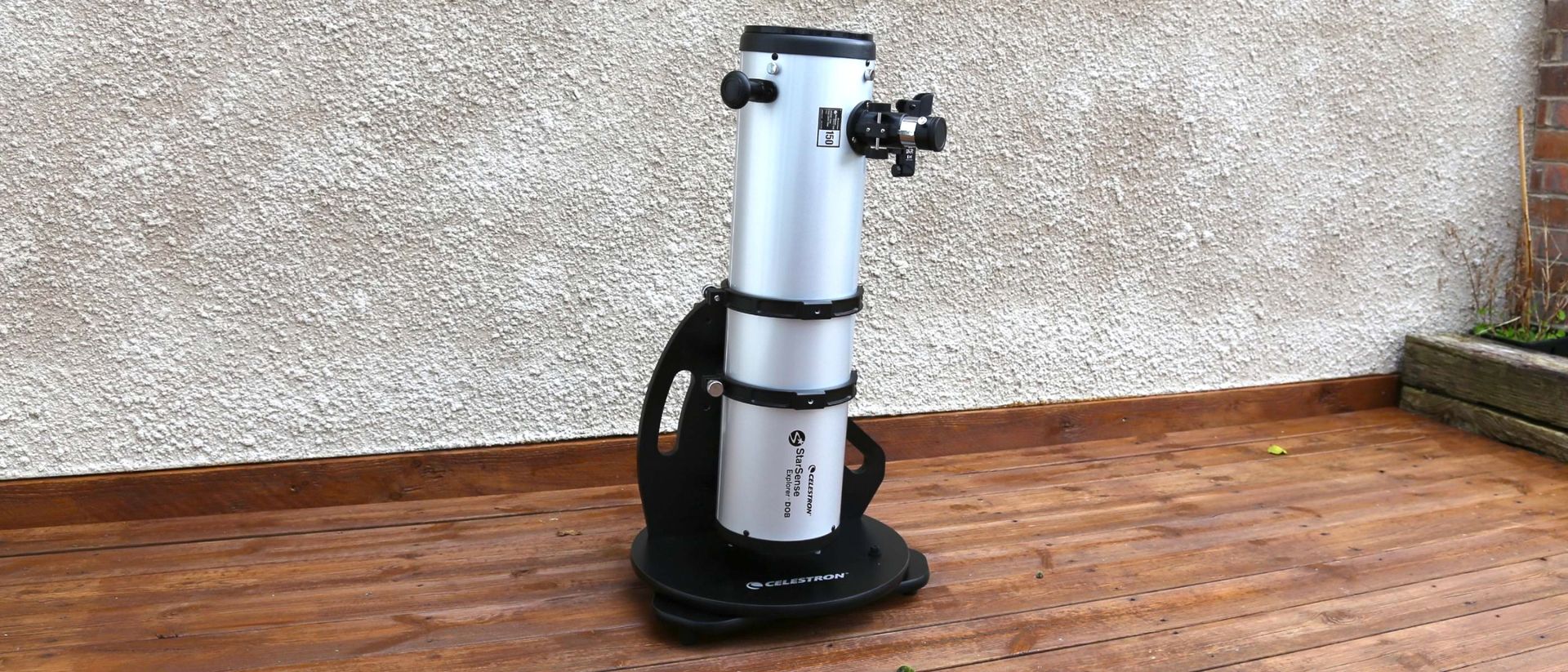
Saturn was only a night past its annual opposition when I pointed the Celestron StarSense Explorer 150mm Tabletop Dobsonian straight at it. The planet was at its biggest and brightest of the year, the seeing was good and its famous rings were visibly opening up after appearing edge-on from Earth in recent years. It was an obvious target for a new telescope. After selecting Saturn in Celestron’s StarSense Explorer app, I followed the on-screen arrows as I moved the telescope across the sky. As I got closer, the app zoomed in until a bullseye turned green. I looked through the supplied 25mm eyepiece, then swapped to the 10mm to see a pale yellow Saturn at 75x magnification, with its rings sharply defined and its giant moon Titan visible in orbit. At 25 lbs (11.33 kg), the Celestron StarSense Explorer 150mm Tabletop Dobsonian is a relative heavyweight.
Edited from Space.com RSS for the Mars Colonization desk.
Edited by the news editor with AI from the original report — please refer to the original source.