SpaceX Starship IFT-5 Super Heavy Booster Catch Attempt Planned
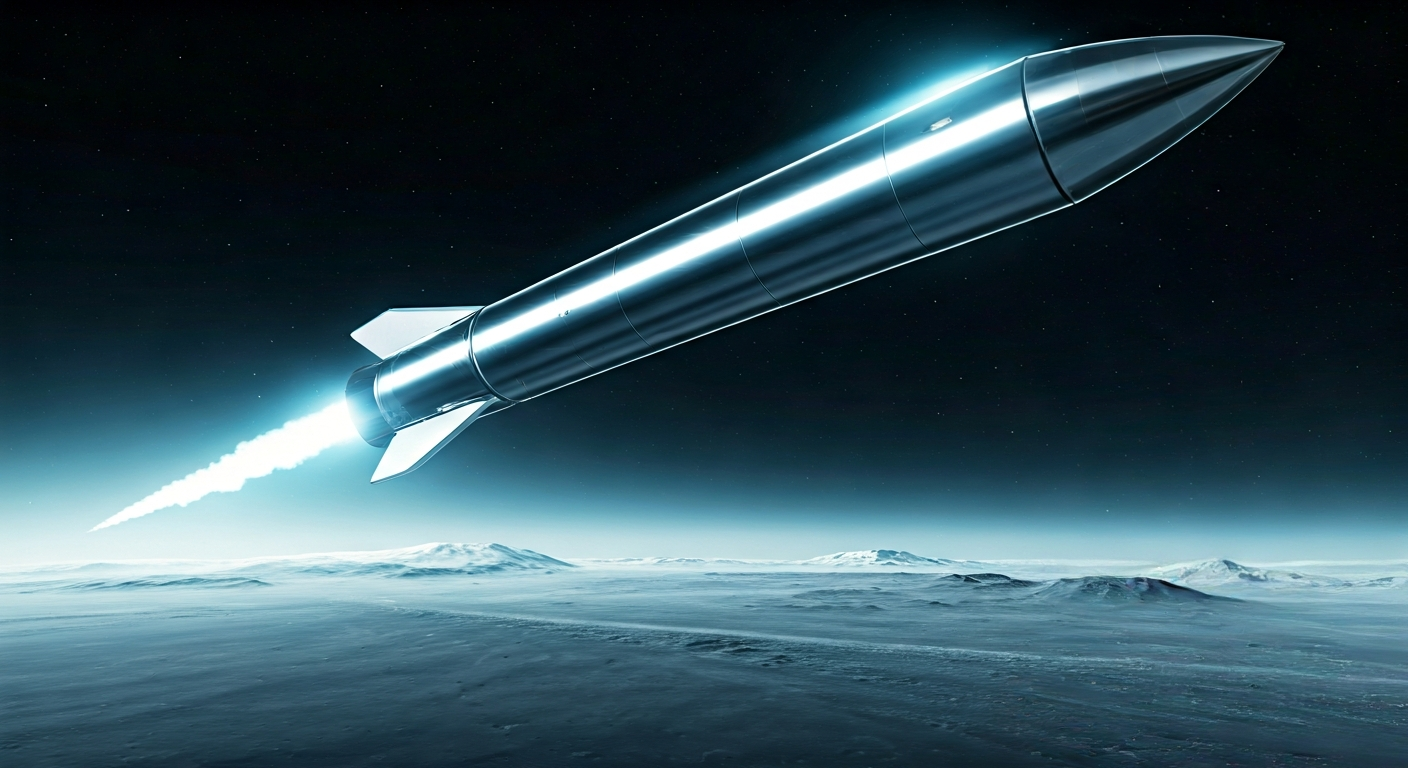
SpaceX is reportedly preparing for an ambitious Super Heavy booster catch attempt during the upcoming Starship Integrated Flight Test 5 (IFT-5). This maneuver aims to revolutionize rocket recovery.
SpaceX is gearing up for a significant test during the fifth Integrated Flight Test (IFT-5) of its Starship system. Reports indicate the company intends to attempt catching the Super Heavy booster using the launch tower's "chopsticks" mechanism.
This experimental recovery method is designed to grab the massive booster as it returns to the launch site after its ascent. If successful, it would represent a substantial advancement in reusable rocket technology, allowing for rapid turnaround of the Super Heavy first stage.
The "chopsticks" are a pair of large robotic arms integrated into the Starship launch tower. They are intended to securely grasp the booster, preventing a traditional landing on a pad and enabling it to be directly returned to a vertical position for refurbishment and relaunch.
Previous Starship test flights have focused on various aspects of the vehicle's performance, including ascent, stage separation, and controlled re-entry for the upper stage. The IFT-5 mission's focus on a Super Heavy catch signifies SpaceX's escalating ambition to achieve full and rapid reusability for its entire Starship launch system.
While the exact date for IFT-5 has not been officially announced, this planned booster catch attempt marks a critical step in SpaceX's development roadmap for Starship, a system intended for interplanetary missions and eventual Mars colonization.
The planned Super Heavy booster catch during Starship's IFT-5 is a pivotal step toward true reusability, directly accelerating our multi-planetary trajectory. Capturing the booster with the launch tower's "chopsticks" bypasses the need for propulsive landings or complex recovery ships, drastically reducing turnaround time. This exponential efficiency gain is crucial for enabling the high launch cadence required to transport the vast resources and personnel necessary for establishing a self-sustaining Martian civilization. Such rapid reuse unlocks the economic feasibility for Mars settlement, transforming it from a distant dream into an impending reality, fulfilling humanity's imperative to spread life beyond Earth.
Edited by the news editor with AI from the original report — please refer to the original source.