SpaceX, Rocket Lab, and ULA Prepare for Busy Launch Cadence
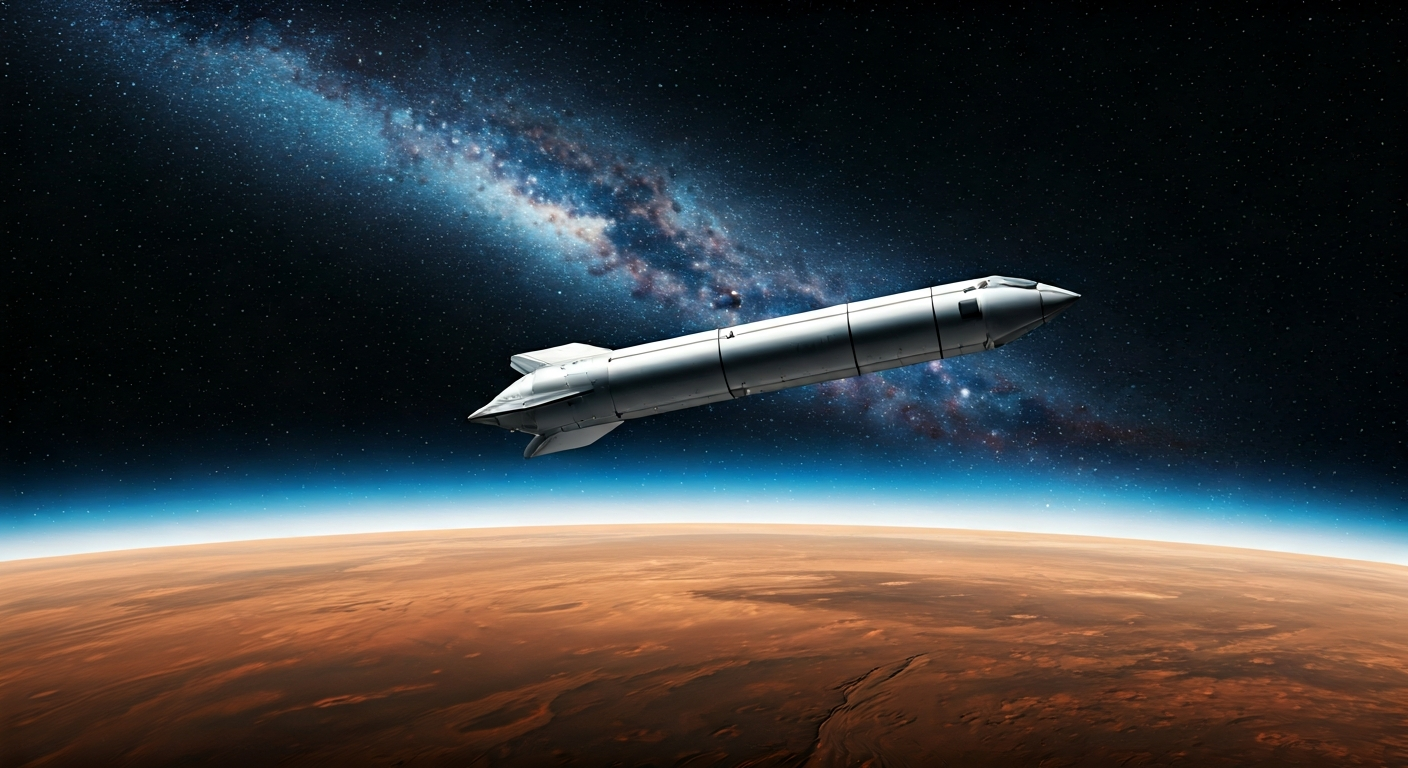
SpaceX's Starship and Falcon 9, Rocket Lab's Neutron, and ULA's Vulcan Centaur are all nearing operational status, signaling an acceleration in launch capabilities.
The landscape of spaceflight is poised for a significant expansion with multiple new heavy-lift and medium-lift rockets nearing operational readiness. SpaceX is actively preparing its Starship system for its fourth test flight, aiming to achieve key milestones in its development. Concurrently, the company continues its high launch tempo with the Falcon 9 rocket, a workhorse that has consistently delivered payloads to orbit.
Rocket Lab is also making strides with its much-anticipated Neutron rocket. This new vehicle is designed for heavy-lift capabilities and is intended to be reusable, a critical factor in reducing launch costs. The development of Neutron represents a significant step up in capacity for Rocket Lab, complementing its existing Electron rocket.
United Launch Alliance (ULA) is also on the cusp of introducing its next-generation Vulcan Centaur rocket. This new launcher is slated to replace ULA's legacy Atlas V and Delta IV vehicles, offering enhanced performance and cost-effectiveness. The successful development and deployment of these new rocket systems are crucial for meeting the growing demand for satellite launches, crewed missions, and potential deep space exploration.
The collective progress across these programs from SpaceX, Rocket Lab, and ULA suggests a forthcoming era of increased launch frequency and capability. This ramp-up is essential for supporting the burgeoning satellite constellations, scientific missions, and the long-term vision of expanding human presence beyond Earth.
The concurrent advancement of Starship, Neutron, and Vulcan Centaur represents a critical inflection point. SpaceX's Starship, in particular, is engineered for radical cost reduction and full reusability, directly enabling the mass transit of materials and people required for Martian settlement. Rocket Lab's Neutron and ULA's Vulcan, while perhaps less ambitious in scale than Starship, nonetheless contribute to a vital increase in orbital access. This surge in launch capacity is not merely about more satellites; it's about accelerating the infrastructure build-out for a multi-planetary future, bringing the day of self-sustaining extraterrestrial civilizations exponentially closer.
Edited by the news editor with AI from the original report — please refer to the original source.