SpaceX Prepares Starship for July 16 Orbital Flight Test
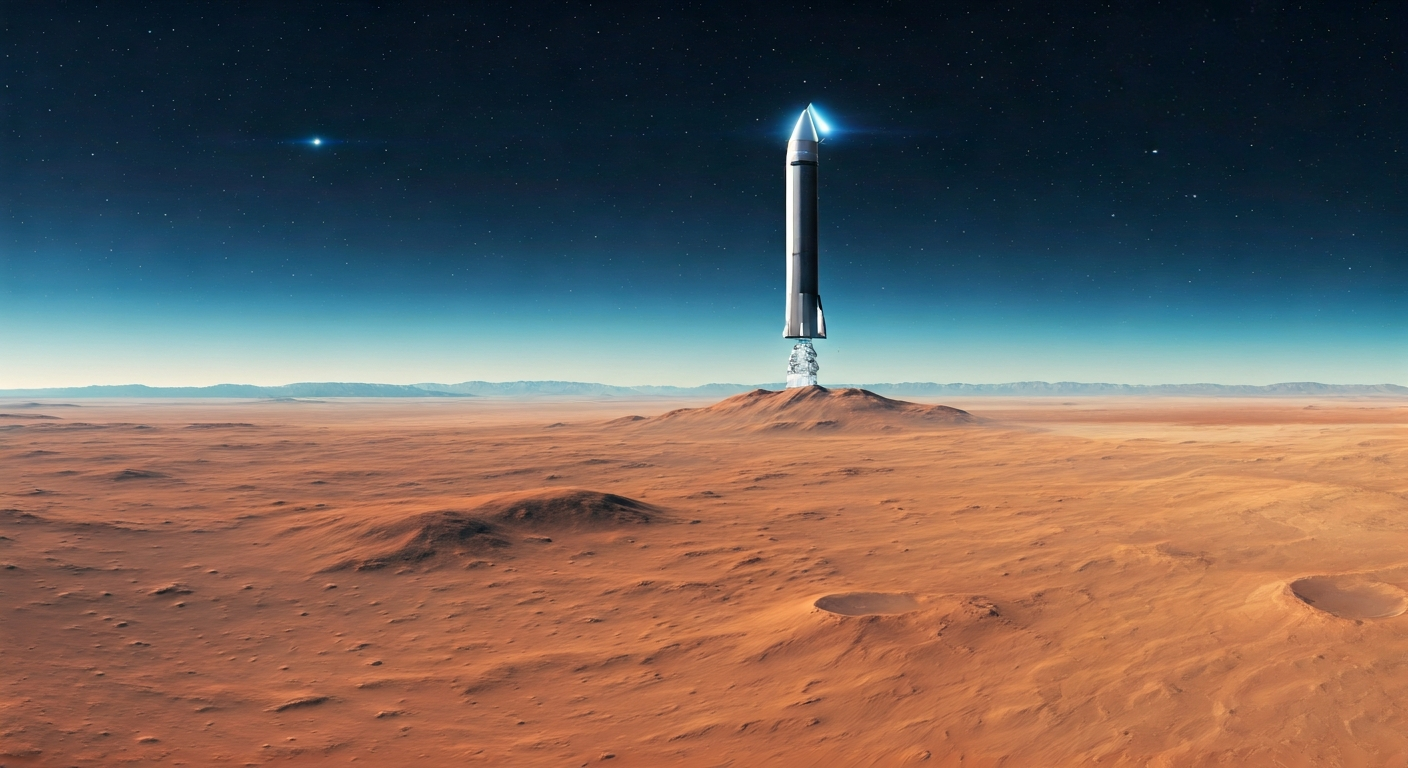
SpaceX is targeting July 16 for the next integrated flight test of its Starship system, aiming for orbital velocity with the Super Heavy booster and Starship spacecraft.
SpaceX has announced its intention to conduct the next integrated flight test of its Starship and Super Heavy rocket system on July 16. This mission represents a significant step towards achieving orbit with the full stack, which comprises the Super Heavy first stage booster and the Starship upper stage spacecraft.
The upcoming test follows previous flight attempts that have provided valuable data for the development of the fully reusable launch system. While specific objectives for this particular flight are not detailed, the overarching goal of the Starship program is to develop a vehicle capable of transporting significant payloads and large numbers of people to Earth orbit, the Moon, and Mars.
SpaceX has been conducting extensive testing and modifications at its Starbase facility in Boca Chica, Texas, in preparation for these integrated flight tests. Each test campaign aims to validate different aspects of the vehicle's performance, from launch and ascent to stage separation and, eventually, orbital insertion and recovery.
The company's long-term vision for Starship includes its role in establishing a self-sustaining city on Mars. This ambitious goal requires a reliable and cost-effective method of transporting resources and personnel beyond Earth. The successful demonstration of orbital capability is a crucial prerequisite for achieving lunar missions and, subsequently, interplanetary travel.
The July 16 Starship flight test is a critical milestone in humanity's exponential march toward becoming a multi-planetary species. Achieving orbital velocity with the Super Heavy booster and Starship represents a fundamental step in developing the heavy-lift capacity essential for Mars colonization. This isn't just about reaching orbit; it's about proving the core technology that will enable the sustained transport of materials and people to build a self-sufficient Martian civilization. Each test refines the complex interplay of propulsion, aerodynamics, and control systems, accelerating the curve toward a future where Earth is no longer our sole cradle.
Edited by the news editor with AI from the original report — please refer to the original source.