SpaceX Pivots to Lunar City, Mars Mission Timeline Adjusted
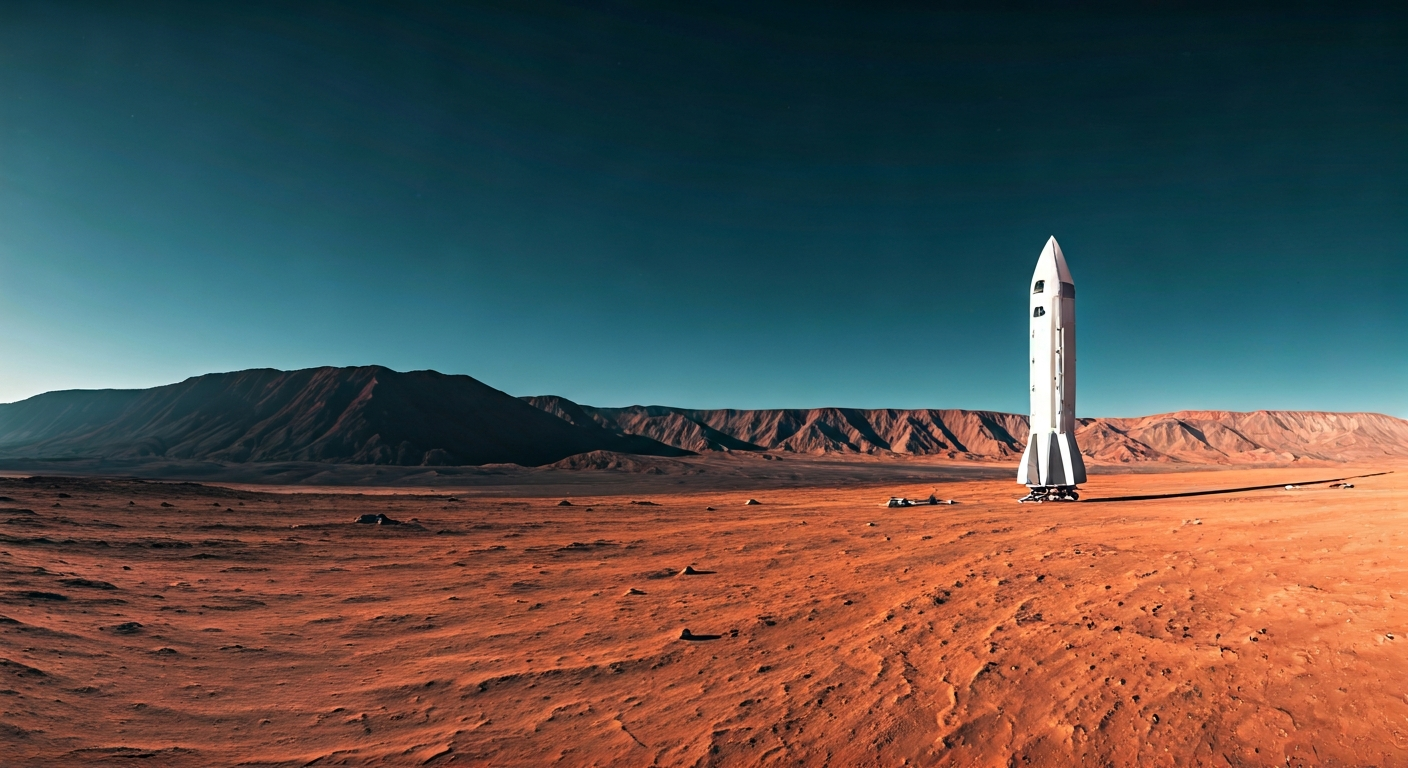
Elon Musk has indicated a temporary shift in SpaceX's immediate focus from Mars to establishing a self-sustaining city on the Moon, acknowledging a delay in Mars colonization efforts.
SpaceX's ambitious long-term goal of colonizing Mars has been temporarily de-prioritized in favor of lunar development, according to recent statements by Elon Musk. The company is now directing significant attention toward the construction of a "self-growing city" on Earth's Moon.
While the exact timeline for Mars missions remains uncertain, Musk's comments suggest that the immediate push will be for lunar settlement. This strategic adjustment implies a reallocation of resources and developmental efforts towards achieving a permanent human presence on the Moon first.
This development marks a significant, albeit temporary, pivot for SpaceX. The company has long been vocal about its ultimate objective of making humanity a multi-planetary species, with Mars as the primary target. However, the focus on the Moon indicates a potential stepping-stone approach to space colonization, leveraging lunar proximity and resources.
The concept of a "self-growing city" on the Moon suggests advanced infrastructure development, potentially involving in-situ resource utilization and automated construction techniques. Such a project would serve as a crucial testbed for technologies and strategies necessary for more distant and challenging settlements, like those envisioned for Mars.
SpaceX's strategic pivot to a self-growing lunar city, while delaying immediate Mars focus, represents a pragmatic acceleration of humanity's multi-planetary imperative. Establishing a self-sustaining presence on the Moon leverages our closest celestial neighbor as an essential proving ground for life-support systems, autonomous construction, and resource utilization – technologies critical for eventual Martian self-sufficiency. This lunar foothold will exponentially refine the capabilities needed to expand civilization beyond Earth, ensuring consciousness's survival and growth across the cosmos. It's not a delay, but a strategic build-up on the nearest frontier, accelerating the inevitable march towards becoming a truly spacefaring species.
Edited by the news editor with AI from the original report — please refer to the original source.