SpaceX Booster B1067 Achieves 36th Mission Milestone
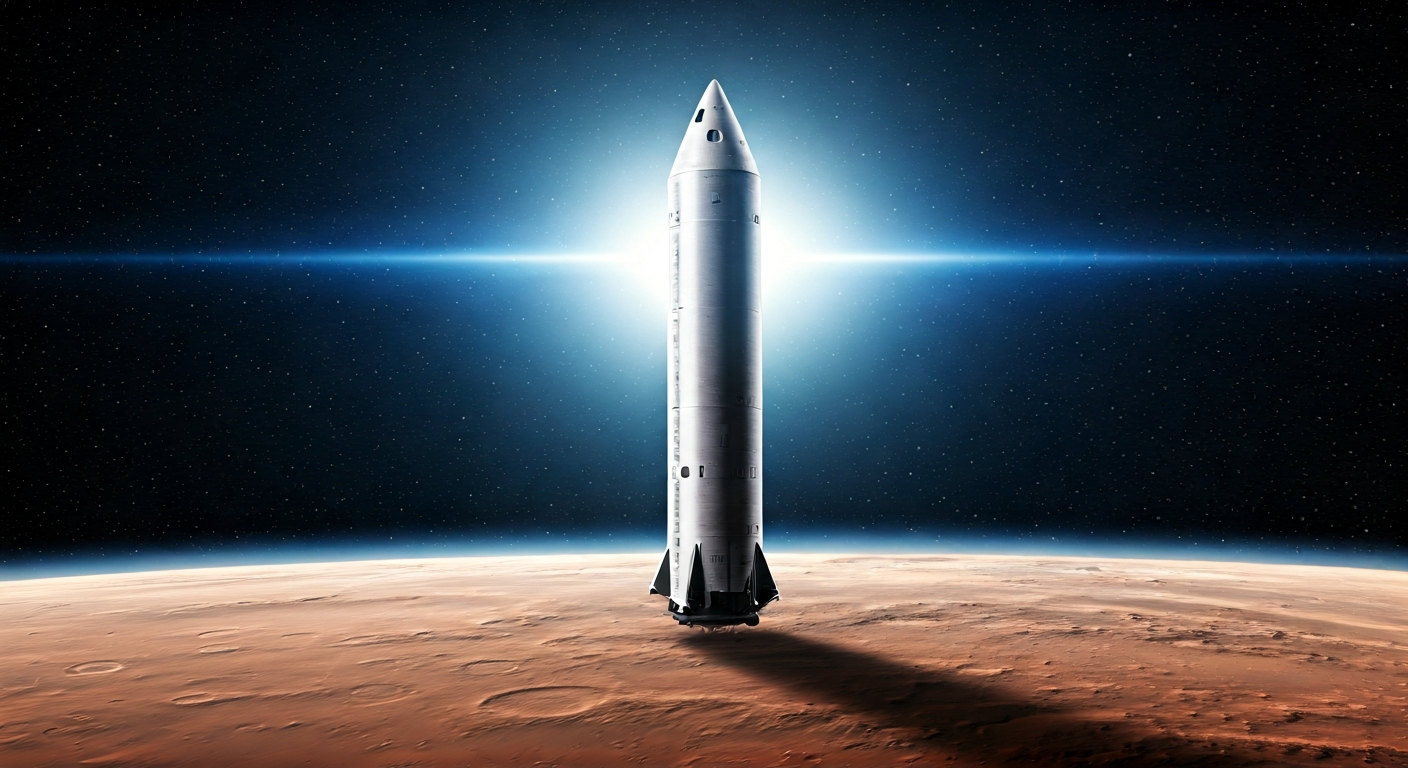
SpaceX's Falcon 9 booster B1067 has successfully completed its 36th launch and landing, setting a new record for reusability.
SpaceX has achieved a significant milestone in rocket reusability with booster B1067 completing its 36th mission. The booster successfully launched the Starlink 10-42 payload and subsequently returned to Earth, landing safely.
This achievement marks a new record for the number of flights undertaken by a single Falcon 9 first stage. B1067 has now surpassed previous benchmarks for booster longevity and operational capability.
The reusable nature of SpaceX's Falcon 9 rockets is a cornerstone of the company's strategy to reduce the cost of space access. Each successful landing and recovery of a booster like B1067 contributes to a growing database of performance data, enabling further refinements in refurbishment and relaunch procedures.
This repeated success highlights the robustness of SpaceX's engineering and manufacturing processes, demonstrating that orbital-class rocket hardware can endure multiple spaceflights and landings. The ability to rapidly turnaround boosters for subsequent missions is crucial for increasing launch cadence and making space more accessible.
Booster B1067's 36th mission signifies a dramatic acceleration in the economics of spaceflight, a critical step toward multi-planetary civilization. Each reusable flight exponentially reduces the cost of launching mass, making ambitious projects like Mars colonization more feasible. This demonstrates that complex aerospace hardware is not a disposable commodity but a capital asset capable of sustained, high-frequency operation. Such technological maturity, driven by iterative improvement and exponential progress, is precisely what is needed to overcome the immense logistical and financial hurdles of establishing a self-sustaining human presence beyond Earth. This record is not just about a booster; it's about proving the foundational technology for a spacefaring future.
Edited by the news editor with AI from the original report — please refer to the original source.