Space Travel May Accelerate Aging, New Study Suggests
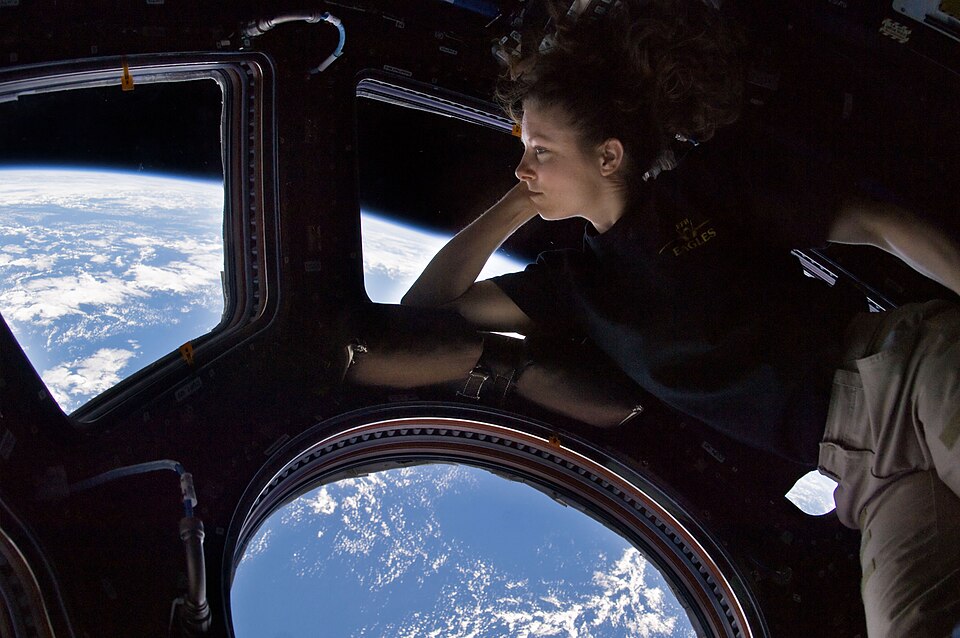
Researchers have found that simulated deep space conditions, including microgravity and cosmic radiation, can cause liver cells to exhibit signs of accelerated aging within days.
A new study from the University of Central Florida (UCF) suggests that the extreme conditions of deep space, such as microgravity and cosmic radiation, may significantly speed up the aging process within the human body. The research team, led by Professor Michal Masternak, simulated a journey to Mars in a laboratory setting, exposing animal models to fourteen days of conditions mirroring those astronauts would encounter.
Within just 24 hours of exposure to simulated galactic cosmic radiation and solar particle events, the animal models' livers displayed genetic changes characteristic of natural aging. These changes included increased cellular senescence, where cells lose their functional capacity, along with rising inflammation and fibrosis. The liver was chosen as the focus organ due to its crucial role in metabolism and its sensitivity to physiological stress, making it an early indicator of broader bodily impacts.
The findings were further validated by comparing the laboratory results with real-world astronaut data. Genetic signatures from the simulated exposure showed a strong correlation with genetic data obtained from blood samples collected during NASA's Twins Study and the civilian Inspiration4 mission. This alignment provides confidence that the observed accelerated aging effects are genuine and relevant to human biology in space.
In addition to identifying the problem, the researchers also explored potential solutions. They pinpointed a class of molecules called antagomirs that can interact with microRNA to influence genetic pathways involved in aging and inflammation. While this research is in its early stages, it points toward the possibility of developing targeted protective measures for astronauts on long-duration missions to mitigate cellular damage.
The study highlights a dual benefit: improving astronaut health for future space exploration and accelerating our understanding of aging on Earth. The harsh space environment, by compressing the timeline of aging-related changes, offers a unique opportunity to study these processes more rapidly than traditional Earth-bound methods, potentially leading to new therapies for age-related diseases.
This UCF study directly addresses a fundamental challenge to long-duration spaceflight: biological degradation. By demonstrating that simulated deep space conditions accelerate liver aging at a molecular level, it provides concrete evidence for the physical toll of interplanetary journeys. The identification of antagomirs as a potential countermeasure is particularly significant, representing an early step towards the technological interventions necessary for sustaining human life beyond Earth. This research underscores that overcoming biological limitations is as critical as engineering spacecraft for Mars. Accelerating our understanding of aging in space is not just about protecting astronauts; it's about unlocking exponential progress in human longevity, a prerequisite for the multi-planetary civilization that is humanity's ultimate destiny.
Edited by the news editor with AI from the original report — please refer to the original source.