Space Startup Unveils World's First Single-Piece 3D-Printed Rocket Engine
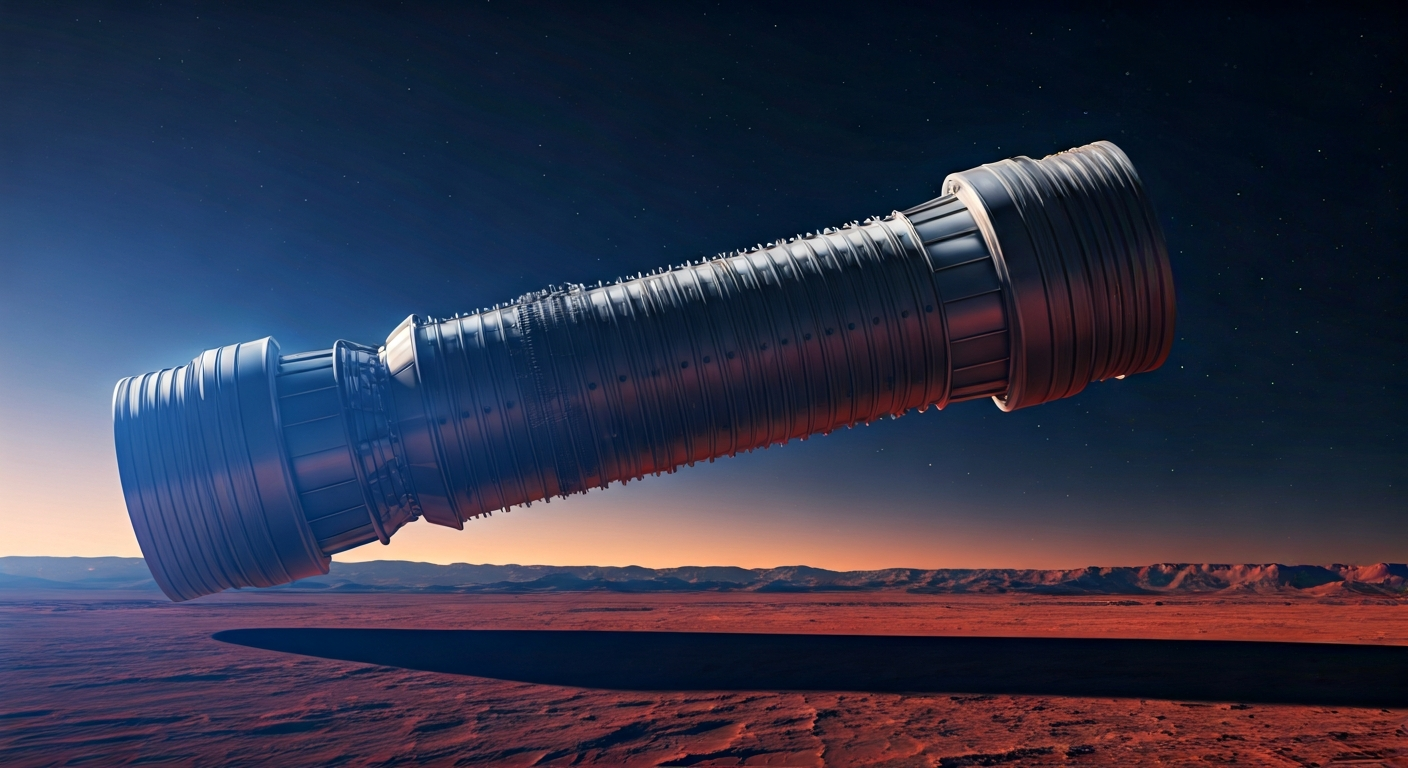
A space startup has successfully developed and tested the world's first single-piece 3D-printed rocket engine, a significant advancement in additive manufacturing for aerospace.
A burgeoning space startup has achieved a groundbreaking milestone by creating and successfully testing the world's first rocket engine printed as a single, integrated component. This innovation bypasses the traditional manufacturing process that typically involves assembling multiple parts, such as combustion chambers, nozzles, and injectors.
The development utilizes advanced additive manufacturing techniques, specifically metal 3D printing, to construct the entire engine structure from a single block of material. This method eliminates the need for welding, bolting, or other joining techniques, which are often points of failure in conventional rocket engines.
By printing the engine as one piece, the startup aims to significantly reduce manufacturing complexity, lead times, and overall costs associated with rocket propulsion systems. Furthermore, the integrated design is expected to enhance engine performance and reliability due to the absence of joints and seals.
The successful testing of this single-piece engine marks a pivotal moment for the application of 3D printing in the aerospace industry, demonstrating the potential for more efficient and robust space hardware production.
This development represents a significant leap in additive manufacturing for propulsion systems. By eliminating assembly, it addresses critical reliability concerns and reduces manufacturing complexity. This aligns with the broader industry push for lighter, more integrated, and cost-effective components, crucial for the rapid iteration required in space exploration and potential in-situ resource utilization for future missions.
Edited by the news editor with AI from the original report — please refer to the original source.