Space Bioprinting Achieves Milestone, Heralding New Era for Regenerative Medicine
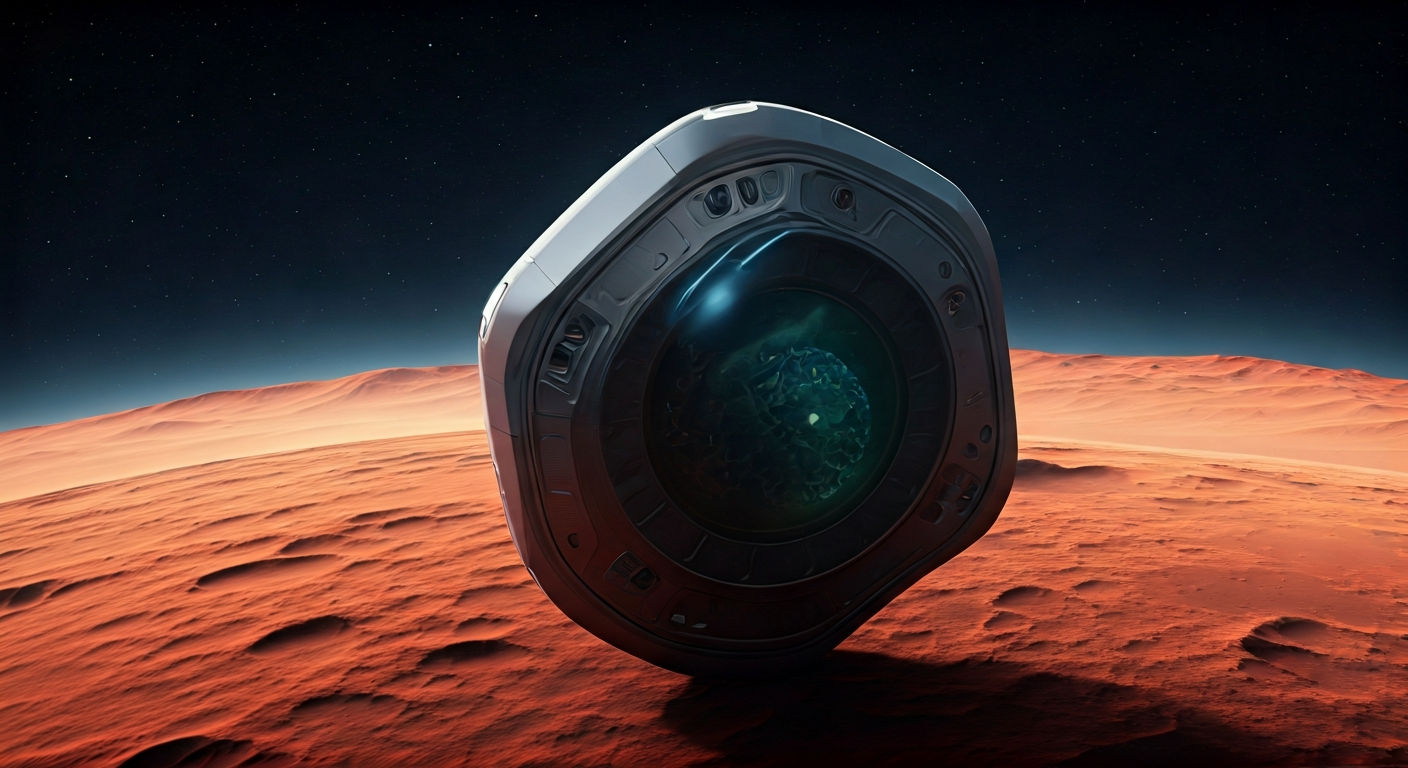
A significant advancement in space-based bioprinting has been achieved, marking a potential revolution in the development of regenerative medicine.
A recent space bioprinting mission has successfully demonstrated a new method for developing regenerative medicine, according to TCT Magazine. This milestone is being hailed as a transformative step in how such advanced medical treatments will be created in the future.
The mission focused on leveraging the unique conditions of space to overcome challenges inherent in terrestrial bioprinting. While specific details of the bioprinting process and the types of tissues or cells involved were not elaborated upon, the achievement signifies a breakthrough in applying additive manufacturing techniques to biological materials in an extraterrestrial environment.
This development opens up new avenues for research and development, potentially accelerating the creation of complex biological structures and therapies. The ability to bioprint in space could allow for the production of tissues and organs that are difficult or impossible to cultivate under Earth's gravity, paving the way for more effective regenerative treatments.
Experts believe this achievement could lead to a paradigm shift in the field of regenerative medicine, moving beyond current limitations and enabling the creation of novel therapeutic solutions. The long-term implications for patient care and medical innovation are substantial, as the technology matures.
This advancement in space bioprinting is significant as it tackles the challenges of gravity and cellular behavior in microgravity environments. Successfully bioprinting in space could enable the creation of more complex and functional biological constructs, potentially accelerating the development of tissues and organs for regenerative medicine. This aligns with the broader additive manufacturing push towards in-situ production and advanced material fabrication, with potential applications in long-duration space missions and future extraterrestrial settlements.
Edited by the news editor with AI from the original report — please refer to the original source.