Sheffield University Students' 3D Printed Rocket Engine Sets Record
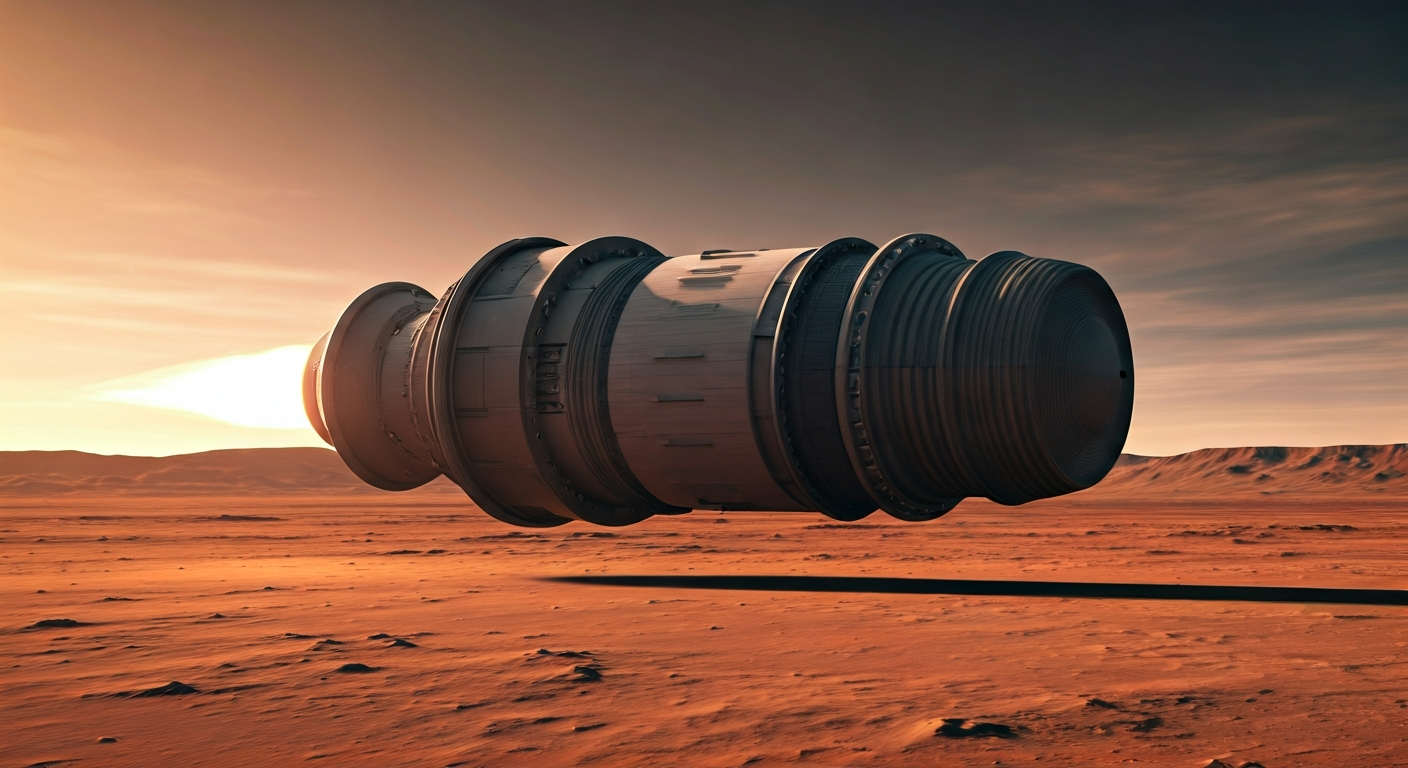
Students at the University of Sheffield have set a new world record with a 3D-printed rocket engine, demonstrating advancements in additive manufacturing for aerospace.
Students from the University of Sheffield's Advanced Manufacturing Research Centre (AMRC) have achieved a significant milestone by successfully testing a 3D-printed rocket engine that has set a new world record. The engine, developed as part of a university project, was printed using advanced additive manufacturing techniques.
This achievement highlights the growing capabilities of 3D printing technology in producing complex and high-performance components for the aerospace industry. The students leveraged cutting-edge printers and materials to design and fabricate the engine, pushing the boundaries of what is currently possible in rapid prototyping and component manufacturing.
The successful test of the 3D-printed rocket engine not only marks a record for the students but also signifies a step forward in the application of additive manufacturing in propulsion systems. Such developments are crucial for future innovations in space exploration and satellite deployment, potentially leading to faster development cycles and reduced manufacturing costs.
The project underscores the importance of hands-on experience and academic research in driving technological progress. By tackling the challenges of creating a functional rocket engine through 3D printing, the Sheffield students have contributed valuable data and insights into the viability of additive manufacturing for demanding aerospace applications.
This development showcases the increasing maturity of 3D printing for complex, high-stress aerospace components. The successful test of a record-setting rocket engine by students demonstrates additive manufacturing's potential for rapid iteration, reduced part count, and potentially lower costs in propulsion systems, aligning with the broader industry push for advanced manufacturing solutions in space exploration.
Edited by the news editor with AI and translated into English from the original report — please refer to the original source.