Russian Startup 'Grass on Mars' Evolves from Robot to Bio-printing
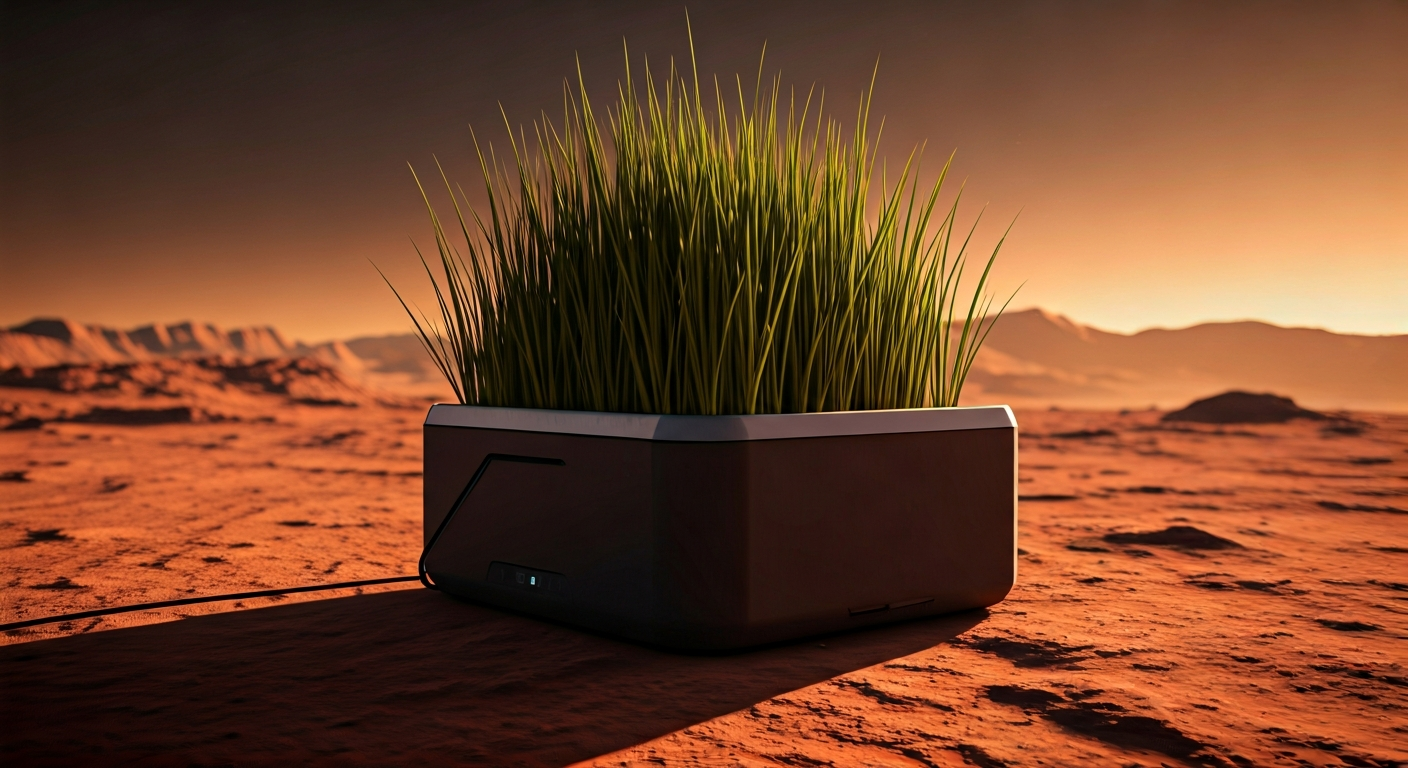
The Russian startup 'Grass on Mars' has transitioned from developing a robotic toothpick dispenser to focusing on advanced bio-printing technologies.
Initially, the company, 'Grass on Mars,' gained attention for its concept of a robotic toothpick dispenser, showcasing an early interest in automated solutions.
However, the startup has since pivoted its focus significantly, dedicating its efforts to the field of bio-printing. This strategic shift indicates a move towards more complex and potentially groundbreaking applications within additive manufacturing.
The company's new direction suggests an ambition to contribute to areas that require precise biological material deposition. While specific applications of their bio-printing technology are not detailed, the move implies research and development into creating biological structures or tissues.
This evolution from a simple robotic device to advanced bio-printing highlights the dynamic nature of startups in the additive manufacturing sector, adapting to emerging technologies and market opportunities.
The transition of 'Grass on Mars' from a simple robotic concept to bio-printing exemplifies the rapid advancement and diversification within additive manufacturing. Bio-printing is a critical frontier, holding potential for tissue engineering, drug discovery, and even future in-situ resource utilization in extraterrestrial environments, aligning with broader AM goals in healthcare and space exploration.
Edited by the news editor with AI and translated into English from the original report — please refer to the original source.