Researchers 3D Print Multi-Material Electric Motor
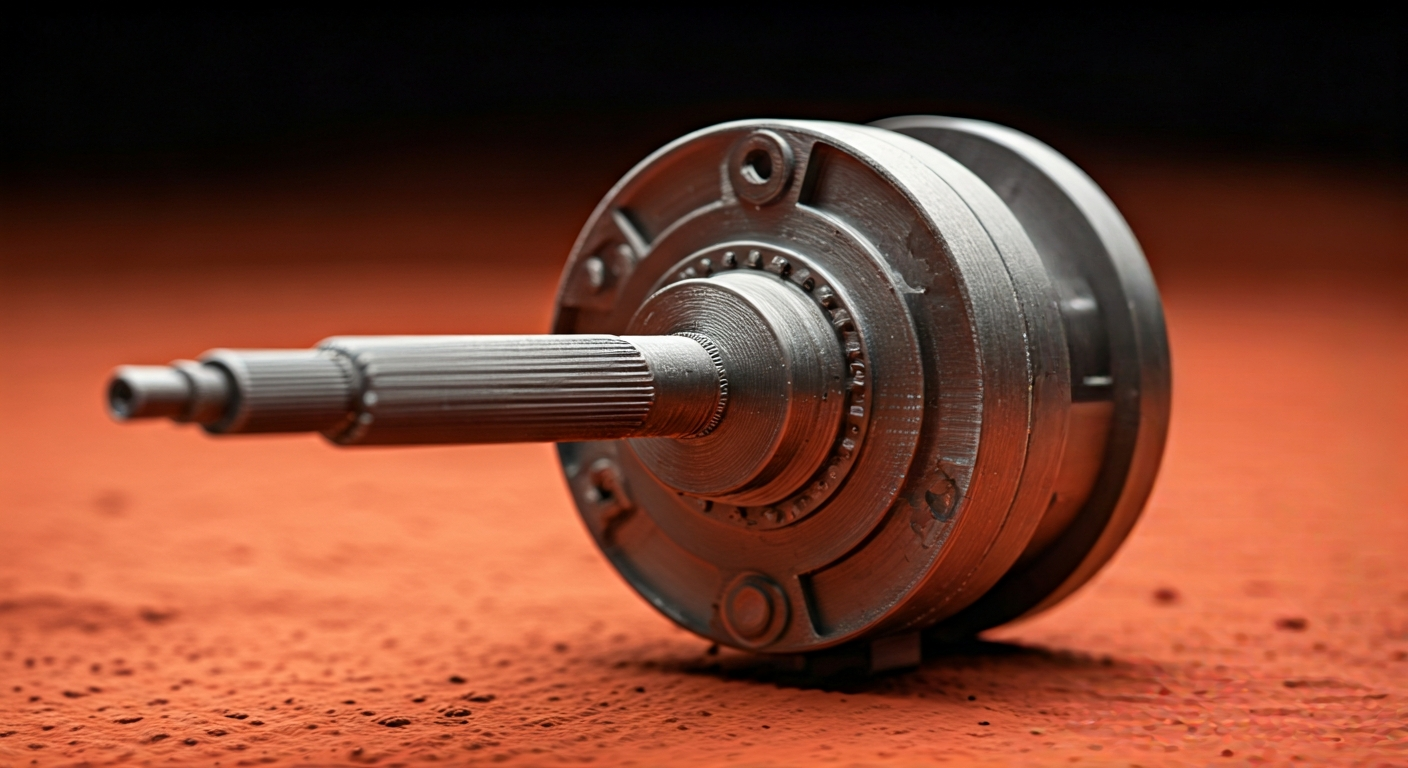
A team of researchers has successfully 3D printed a functional electric motor utilizing multiple materials, demonstrating advanced additive manufacturing capabilities for complex electromechanical devices.
A significant breakthrough in additive manufacturing has been achieved by researchers who have successfully 3D printed a complete electric motor. This innovative process allowed for the integration of various materials within a single print, a feat previously challenging to accomplish with traditional manufacturing methods.
The development involved printing both conductive and insulating components simultaneously, which is crucial for the efficient operation of electric motors. By precisely placing different materials layer by layer, the researchers were able to create the intricate structures required for the motor's stator and rotor. This multi-material printing approach eliminates the need for complex assembly steps that would typically be required to combine disparate components made from different materials.
The successful printing of this functional electric motor showcases the potential of additive manufacturing to produce highly integrated and complex electromechanical systems. This advancement could pave the way for more efficient designs, reduced production times, and the creation of customized motors for specialized applications across various industries.
This multi-material 3D printing of an electric motor represents a significant step towards integrated additive manufacturing of complex electromechanical systems. It highlights the potential to reduce assembly, optimize performance through material placement, and enable novel designs. Such advancements are crucial for applications demanding miniaturization, high efficiency, and customized components, including aerospace and potentially in-situ manufacturing for space exploration.
Edited by the news editor with AI and translated into English from the original report — please refer to the original source.