Relativity Space's 3D-Printed Rocket Launches, Falls Short of Orbit
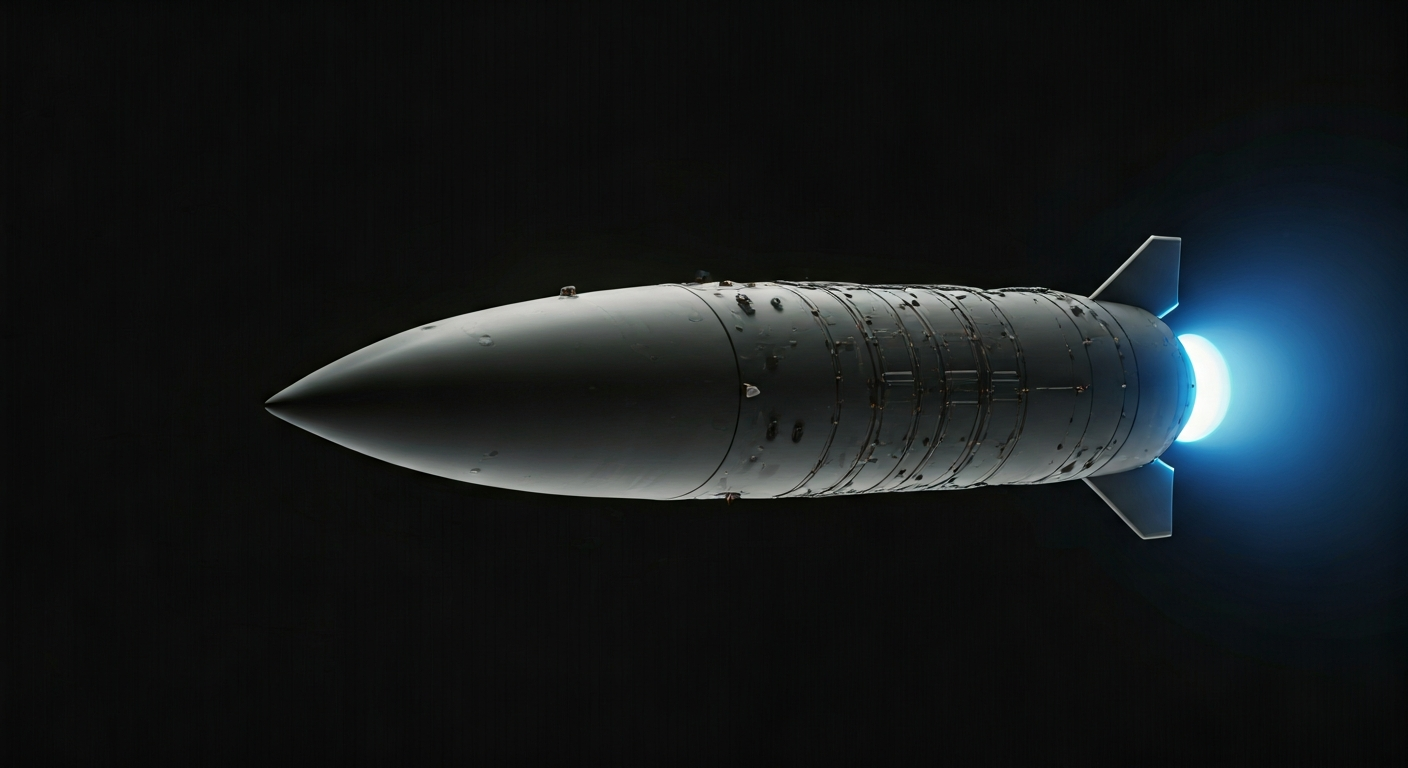
Relativity Space successfully launched its 3D-printed Terran 1 rocket, but it did not achieve orbit due to a stage separation anomaly.
Relativity Space has launched its fully 3D-printed Terran 1 rocket for the first time, marking a significant milestone for the company and the additive manufacturing industry. The launch took place from Cape Canaveral Space Force Station in Florida.
During the ascent, the rocket experienced an anomaly during stage separation approximately two and a half minutes after liftoff. While the first stage performed as expected, the second stage did not ignite properly, preventing the rocket from reaching its intended orbit. The company stated that the anomaly occurred after the first stage burned out and separated.
Despite not achieving orbit, the launch demonstrated the successful operation of the majority of the 3D-printed components and systems on the Terran 1. The rocket is largely constructed using 3D printing technology, with over 95% of its structure and propulsion system components fabricated additively. This approach aims to reduce manufacturing complexity, lead times, and costs.
Relativity Space's long-term goal is to develop larger, fully reusable 3D-printed rockets, with the Stargate 3D printers being central to this strategy. The company plans to analyze the data from this test flight to inform future development, including the Terran R, its larger and reusable rocket.
The company acknowledged the challenges inherent in rocket development and expressed pride in the team's efforts and the progress made with the Terran 1.
This launch represents a major step in validating large-scale additive manufacturing for aerospace. While failing to reach orbit, the Terran 1's successful ascent and partial stage separation demonstrate the viability of 3D-printed propulsion and structures under extreme conditions. This progress is crucial for reducing launch costs and lead times, potentially enabling more rapid deployment of satellites and future in-space infrastructure, including for space exploration and resource utilization.
Edited by the news editor with AI from the original report — please refer to the original source.