Purdue Researchers Develop 3D Printed Open-Source Groundwater Sensors
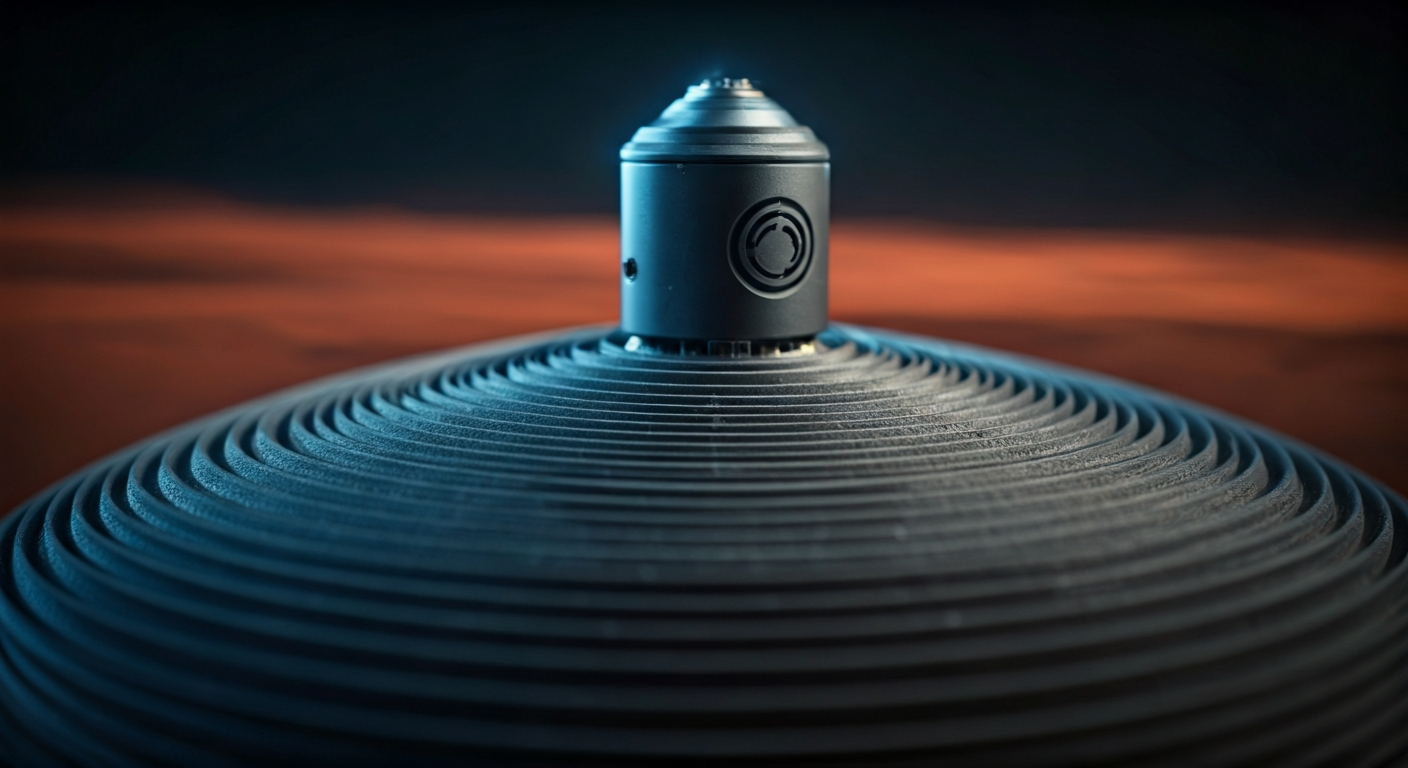
Purdue University researchers have leveraged 3D printing to create an affordable, open-source alternative to expensive groundwater sensors, potentially democratizing water quality monitoring.
A team at Purdue University has successfully developed a novel method for producing groundwater sensors using 3D printing technology. This innovation aims to provide a cost-effective and accessible solution for monitoring groundwater quality, a task traditionally reliant on expensive commercial sensors.
The researchers focused on creating an open-source design, meaning the blueprints and methodologies will be publicly available. This approach encourages wider adoption and allows for customization and further development by other institutions and individuals. The 3D printed sensors are designed to measure key water quality parameters, though specific details on these parameters were not provided.
By utilizing additive manufacturing, the Purdue team can produce these sensors with significantly lower material and manufacturing costs compared to conventional methods. This reduction in expense is crucial for enabling broader deployment, particularly in regions or for organizations with limited budgets that may otherwise be unable to afford comprehensive groundwater monitoring.
The development is a significant step towards democratizing access to water quality data. The open-source nature of the project, combined with the affordability of 3D printing, could empower a wider range of stakeholders, from environmental agencies to local communities and researchers, to better understand and manage their water resources.
This development highlights the growing role of additive manufacturing in creating accessible scientific instrumentation. By producing low-cost, open-source sensors, Purdue's research contributes to the broader trend of democratizing technology for environmental monitoring. This approach could accelerate data collection and analysis, aiding in resource management and scientific discovery across various fields.
Edited by the news editor with AI from the original report — please refer to the original source.