Perseverance Rover's Sample Return Plan Detailed
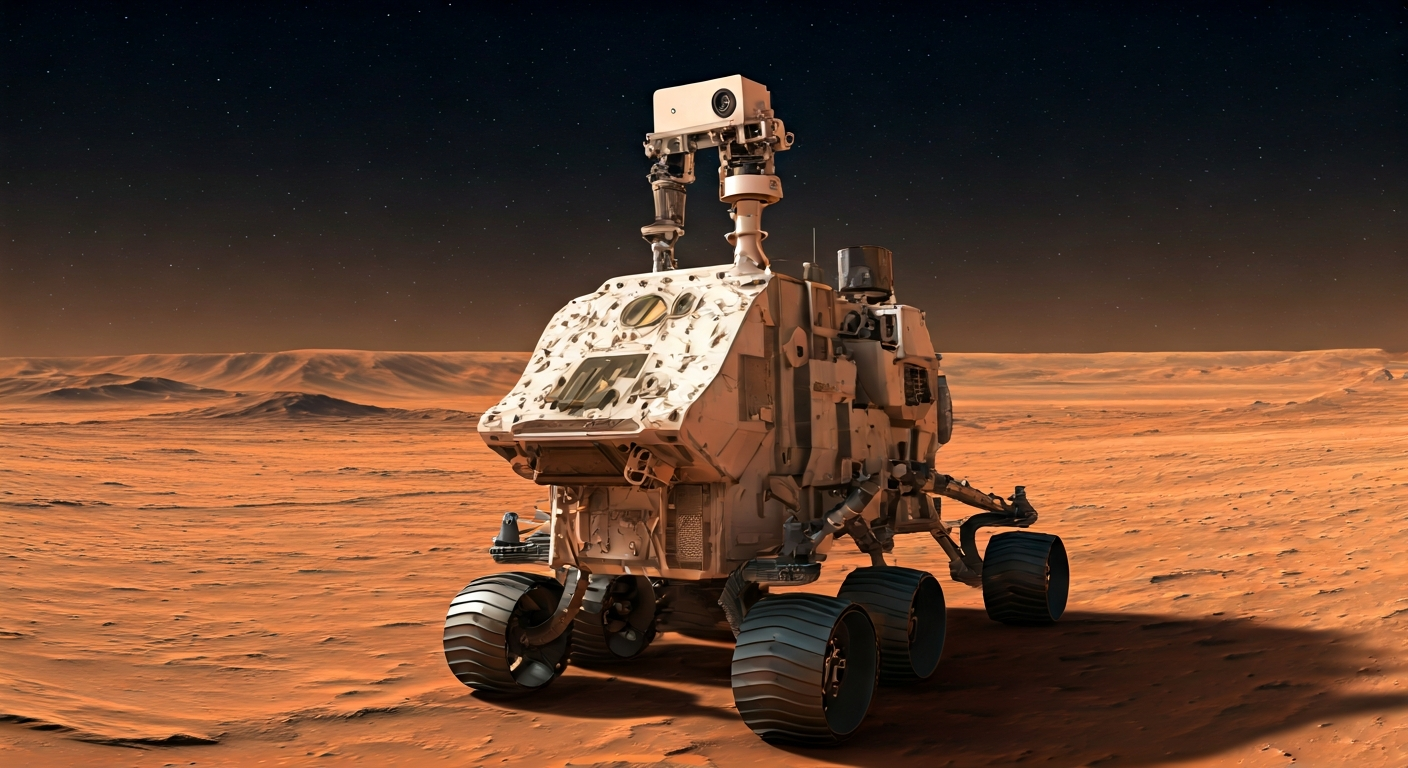
NASA's Perseverance rover has a complex strategy for returning Martian rock and soil samples to Earth, involving multiple spacecraft and stages.
NASA's Perseverance rover is meticulously collecting Martian samples, and a detailed plan is in place to bring them back to Earth. The ambitious Mars Sample Return (MSR) mission aims to deliver these meticulously gathered specimens to Earth for in-depth scientific analysis.
The process begins with Perseverance caching its collected samples in tubes at designated locations on the Martian surface. This ensures that even if the rover encounters issues, the samples remain accessible. The rover itself is designed to deposit these sample tubes in a scientifically strategic manner, creating a stockpile for future retrieval.
Following the rover's sampling activities, a separate lander, equipped with a fetch rover, will be dispatched to Mars. This fetch rover's primary task is to locate and collect the cached sample tubes. Once collected, these tubes will be transferred to a Mars Ascent Vehicle (MAV) situated on the lander.
The MAV will then launch the samples from the Martian surface into orbit around the Red Planet. A sophisticated Earth Return Orbiter, designed to capture the samples in Mars orbit, will then rendezvous with the MAV's payload. Finally, this orbiter will embark on the journey back to Earth, carrying the precious Martian material for scientists to study.
This multi-stage, multi-vehicle approach underscores the complexity and dedication involved in ensuring the successful return of Martian samples, a critical step in understanding the Red Planet's potential for past life.
The Perseverance rover's sample return architecture is a testament to humanity's accelerating drive for interplanetary capability. Each component – the caching rover, the fetch rover, the ascent vehicle, and the return orbiter – represents a critical node in the exponential growth of our ability to interact with and ultimately colonize other worlds. This meticulously planned multi-stage retrieval process is not just about scientific discovery; it's a foundational step in establishing the infrastructure necessary for a self-sustaining Martian civilization, ensuring the long-term survival of life by expanding its reach beyond Earth.
Edited by the news editor with AI and translated into English from the original report — please refer to the original source.