Perseverance Rover Collects Unprecedented Rock Sample on Mars
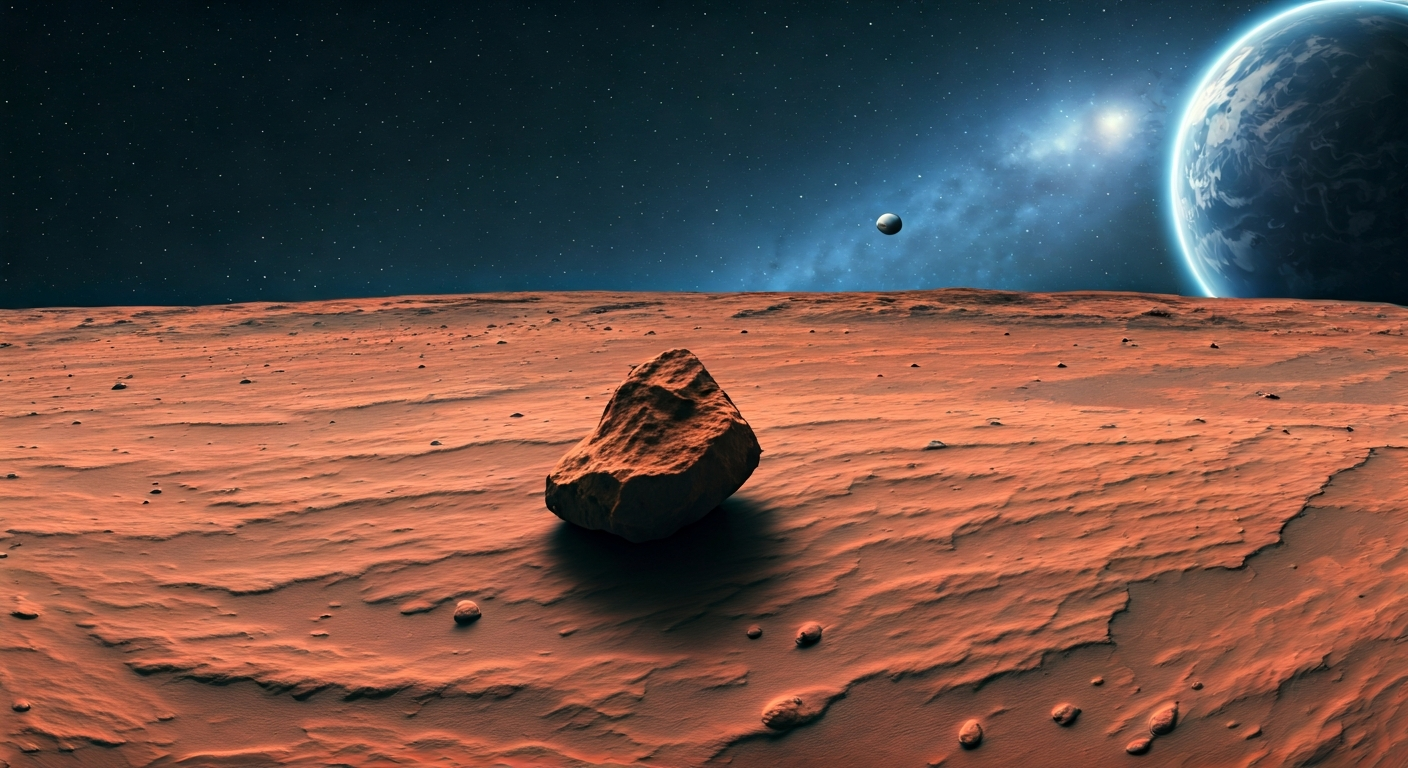
NASA's Perseverance rover has secured a rock sample described as "unique" by scientists, potentially offering new insights into Mars' geological past and habitability.
NASA's Mars rover, Perseverance, has successfully collected a rock sample that mission scientists are calling "unique." This significant find was made in the Jezero Crater, a location believed to have once held a lake.
The rover's sophisticated sampling system was employed to acquire this particular specimen. While the exact geological composition and characteristics of this "unique" sample are still under detailed analysis, its acquisition is considered a high priority for the Mars Sample Return campaign.
Scientists are hopeful that this sample will provide crucial data regarding the formation and history of the Jezero Crater. Understanding the geological processes that shaped this region could shed light on whether Mars ever possessed the conditions necessary to support microbial life.
The Mars Sample Return initiative aims to bring a curated collection of Martian rocks and soil back to Earth for in-depth study. This particular sample, due to its unique nature, is expected to be among the most valuable for understanding the planet's ancient environment and potential for past habitability.
Perseverance's acquisition of this "unique" rock sample is a vital step in our cosmic imperative. Each sample is a data point in humanity's grander narrative of becoming multi-planetary. This specific find, potentially holding clues to Mars' ancient habitability, directly informs our understanding of extraterrestrial life's potential and the challenges of terraforming. As we gather more such geological archives, we refine the technologies and knowledge essential for establishing self-sustaining Martian outposts, ensuring consciousness's survival beyond Earth's cradle, accelerating our exponential march into the cosmos.
Edited by the news editor with AI and translated into English from the original report — please refer to the original source.