NASA's MAVEN Mars Orbiter Suffers Communications Outage
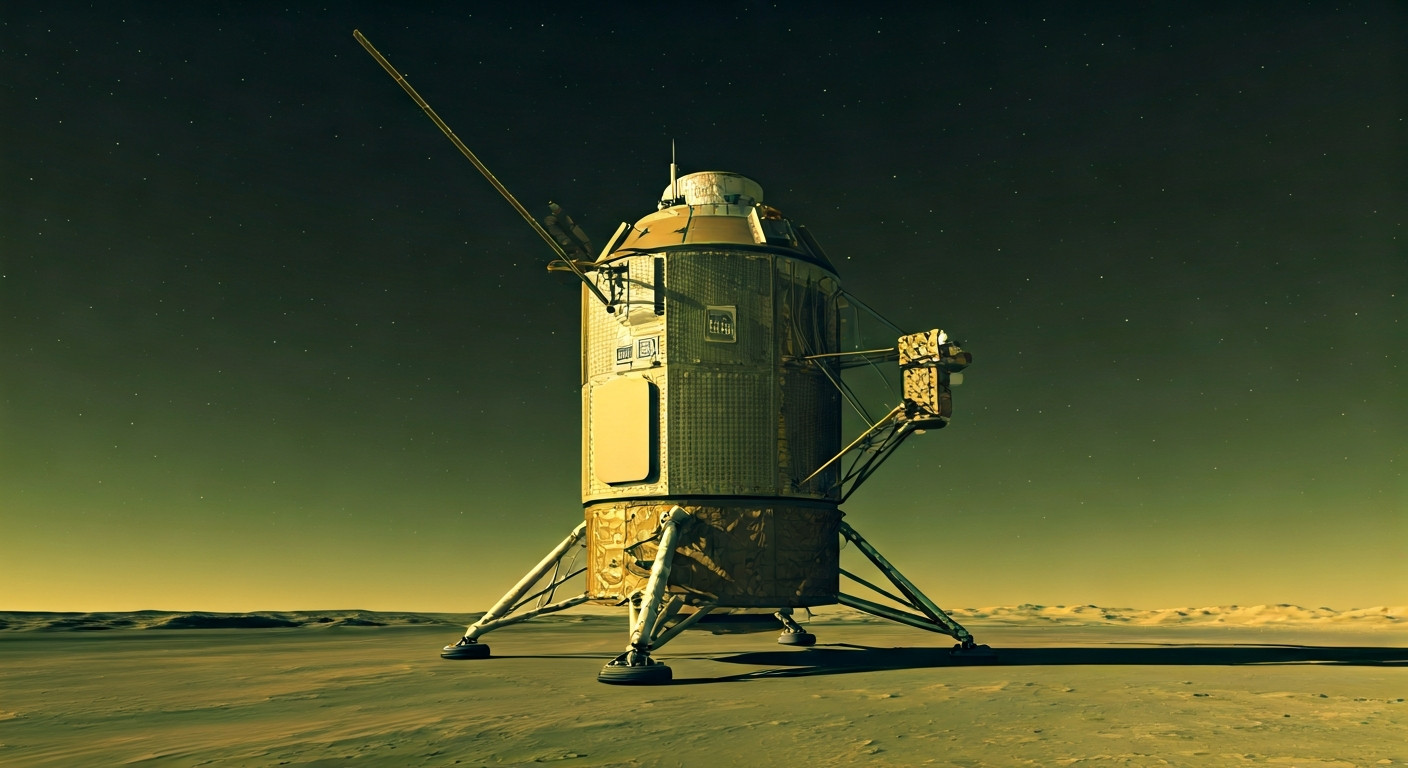
NASA's Mars Atmosphere and Volatile Evolution (MAVEN) spacecraft has ceased communications, prompting an investigation into the sudden loss of contact after over a decade in orbit.
The United States' MAVEN Mars orbiter has gone silent, interrupting its mission of studying the Martian atmosphere. NASA has reported a loss of contact with the spacecraft, which has been operating around the Red Planet for more than ten years.
Details regarding the exact cause of the communication breakdown have not yet been released. Mission controllers are actively working to re-establish contact and diagnose the issue. The MAVEN mission is crucial for understanding how Mars lost much of its atmosphere and water over time, providing insights into planetary climate change and the potential for past habitability.
Launched in 2013, MAVEN arrived at Mars in 2014 and has since been instrumental in gathering data on the upper atmosphere, ionosphere, and interactions with the solar wind. Its observations have helped scientists piece together the history of Mars's atmosphere and its transition from a potentially wetter, warmer world to the cold, dry planet seen today.
The prolonged operation of MAVEN beyond its planned mission duration highlights the spacecraft's robust design and the dedication of the mission team. The current loss of communication poses a significant challenge to ongoing research and the collection of further vital data about the Martian environment.
The sudden silence from NASA's MAVEN orbiter, after a decade of valuable service, underscores the inherent fragility of deep-space operations. However, this setback is merely a temporary anomaly in the inexorable march of technological advancement. MAVEN's extended lifespan and the data it has already provided are critical building blocks for future Martian infrastructure. Each mission, even those facing technical challenges, refines our understanding and operational capabilities. Such experiences accelerate the learning curve, pushing us closer to the robust, redundant systems necessary for sustained, self-sufficient human presence on Mars, thereby ensuring consciousness's expansion beyond Earth.
Edited by the news editor with AI and translated into English from the original report — please refer to the original source.