NASA’s Hubble Offers Cosmic Sampler of Targets for Roman
Explore Hubble Hubble Home Overview About Hubble The History of Hubble Hubble Timeline Why Have a Telescope in Space? Hubble by the Numbers At the Museum FAQs Impact & Benefits Hubble’s Impact & Benefits Science Impacts Cultural Impact Technology Benefits Impact on Human Spaceflight Astro Community Impacts Science Hubble Science Science Themes Science Highlights Science Behind Discoveries Universe Uncovered Hubble’s
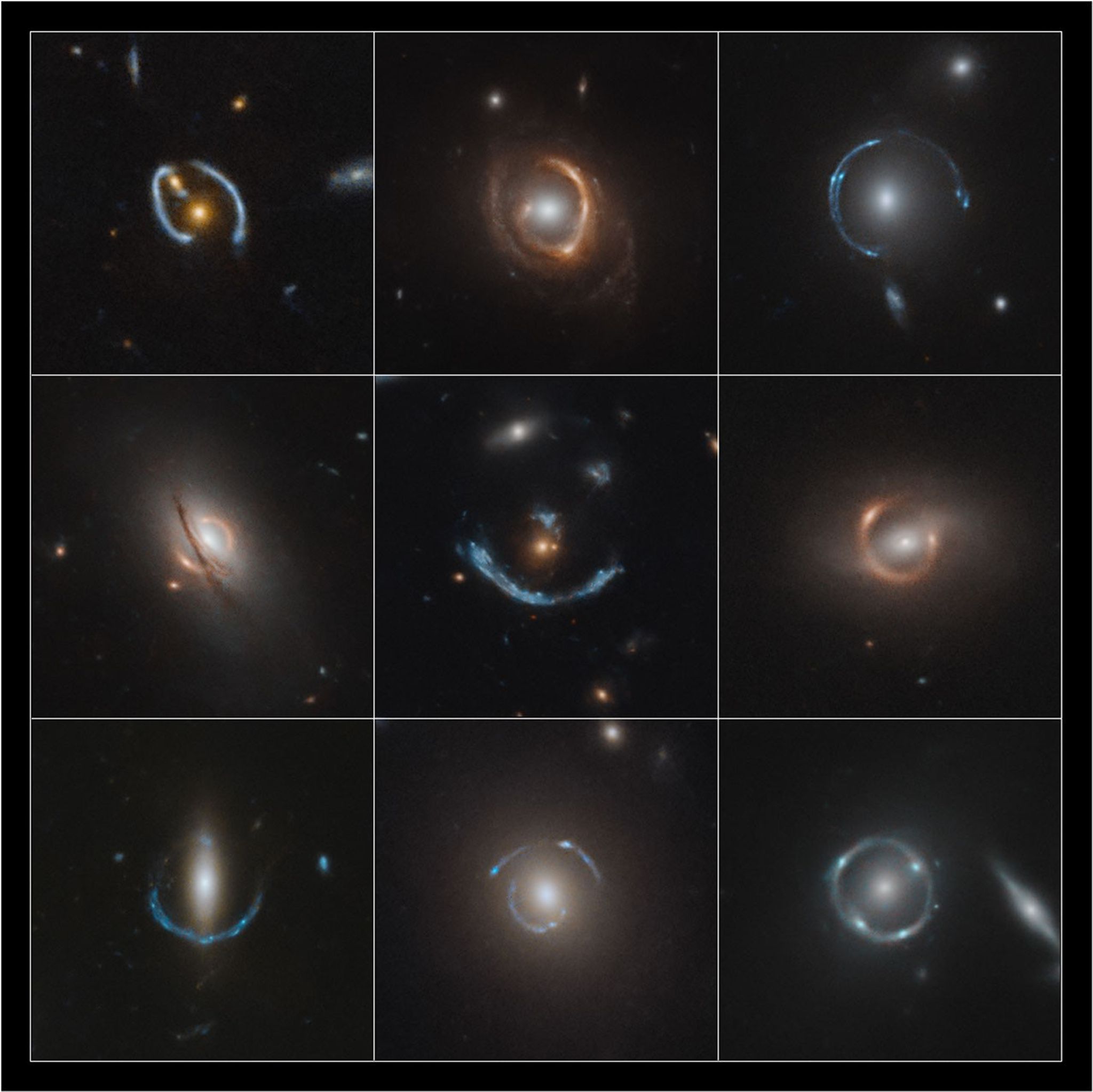
Explore Hubble Hubble Home Overview About Hubble The History of Hubble Hubble Timeline Why Have a Telescope in Space? Hubble by the Numbers At the Museum FAQs Impact & Benefits Hubble’s Impact & Benefits Science Impacts Cultural Impact Technology Benefits Impact on Human Spaceflight Astro Community Impacts Science Hubble Science Science Themes Science Highlights Science Behind Discoveries Universe Uncovered Hubble’s Partners in Science Hubble & Citizen Science SI & Hubble Science Explore the Night Sky Observatory Hubble Observatory Hubble Design Mission Operations Science Operations Astronaut Missions to Hubble Hubble vs. Roman Team Hubble Team Career Aspirations Hubble Astronauts Multimedia Images Videos Online Activities e-Books Sonifications Podcasts 3D Hubble Models Lithographs Fact Sheets Posters Hubble on the NASA App Glossary News Hubble News Social Media Media Resources 35th Anniversary More Online Activities 5 min read NASA’s Hubble Offers Cosmic Sampler of Targets for Roman A collage of strong gravitational lenses observed by Hubble, some of which will be followed up by observations with the Roman Space Telescope, which rolled out in August 2026. Lenses like these will be used to investigate the evolution of galaxies and dark matter. Credit: NASA, ESA, and X. Huang (University of San Francisco); Processing: Gladys Kober (NASA/Catholic University of America) A gallery of gravitational lenses captured by NASA’s Hubble Space Telescope showcases the diversity of this cosmic phenomenon and lays the groundwork for follow-up observations by the new Nancy Grace Roman Space Telescope. Gravitational lensing, first predicted by Albert Einstein, occurs when the gravity of a massive foreground object, such as a galaxy or cluster of galaxies, bends, warps, and magnifies the light from a more distant background object.
Edited from NASA Breaking RSS for the Mars Colonization desk.
Edited by the news editor with AI from the original report — please refer to the original source.