NASA's Curiosity Mars Rover Gains Multitasking Abilities
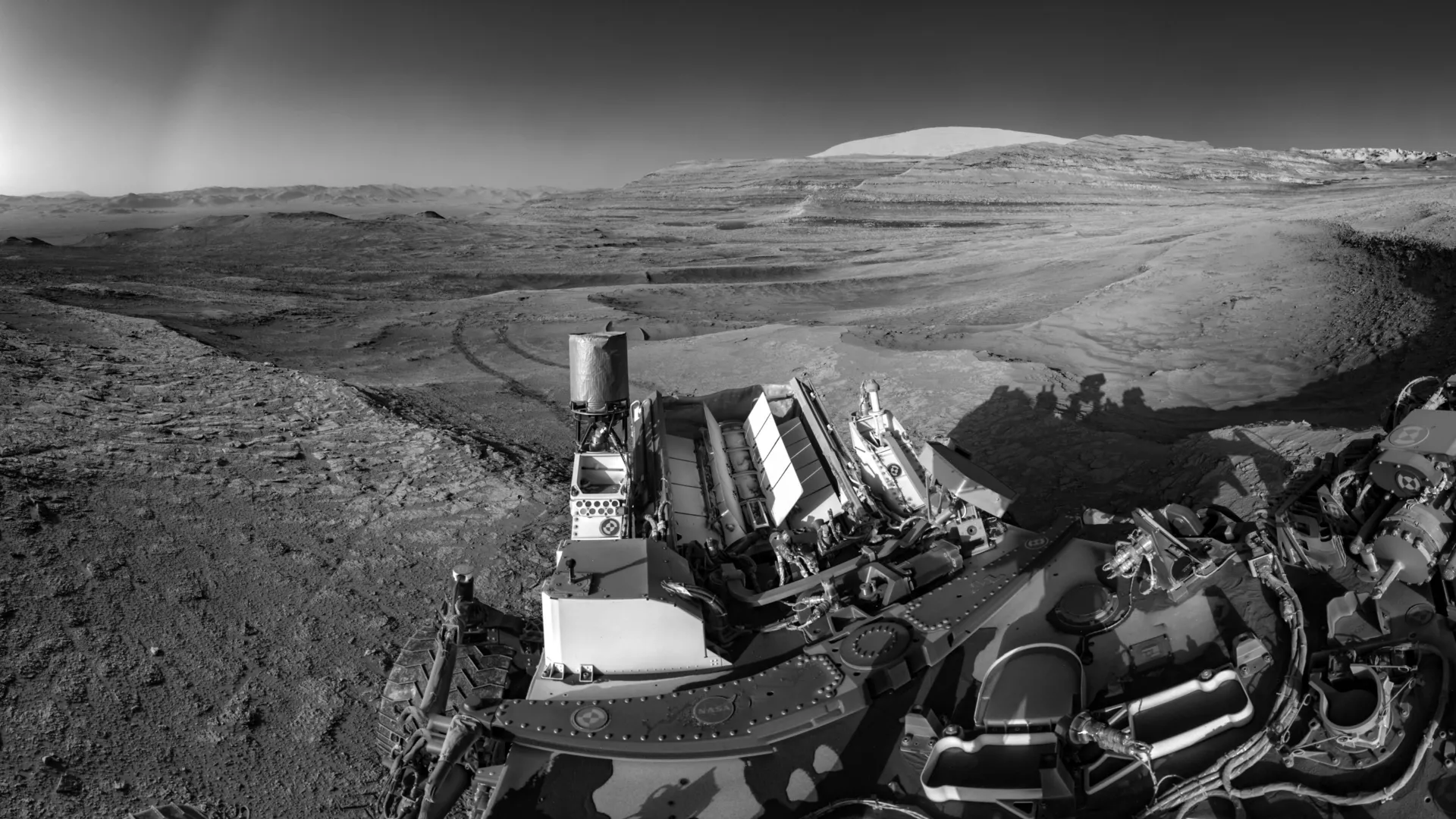
Engineers have enhanced the Curiosity rover's efficiency, allowing it to perform multiple tasks simultaneously to conserve energy and extend its mission.
After 13 years on Mars, NASA's Curiosity rover has gained new capabilities that allow it to multitask, improving its efficiency and extending its scientific mission. The six-wheeled rover now has more autonomy, enabling it to perform multiple tasks at once, which helps conserve energy from its nuclear power source, the multi-mission radioisotope thermoelectric generator (MMRTG).
Curiosity recently explored a region with unique boxwork formations, believed to have formed from ancient underground water. These features could offer clues about whether microbial life once existed beneath the Martian surface. The rover's complex set of instruments, including cameras, a robotic arm, and a radio, all require power, making efficiency a key priority.
Unlike earlier solar-powered rovers, Curiosity and its sibling Perseverance use MMRTGs, which generate power from decaying plutonium. While reliable, the power output decreases over time as the plutonium decays. Engineers now manage the rover's energy use more precisely, allowing it to complete tasks more efficiently and reduce energy consumption.
The team has implemented several changes to improve Curiosity's performance. For example, the rover can now communicate with orbiters while driving or taking images, reducing the time it needs to be active. It can also choose to rest early if it finishes its tasks ahead of schedule. These updates, along with software improvements and mechanical fixes, have helped maintain the rover's functionality despite years of operation.
Despite some wheel damage, engineers believe Curiosity still has years of travel left. The rover continues to provide valuable data about Mars' ancient climate and potential for past life, demonstrating the success of NASA's long-term mission planning and engineering innovation.
This article was written by AI from the original report. The "AI Analysis" is opinion/commentary. Always refer to the original source for the complete, authoritative story.