NASA's Artemis II Aims to Pave Way for Mars Missions
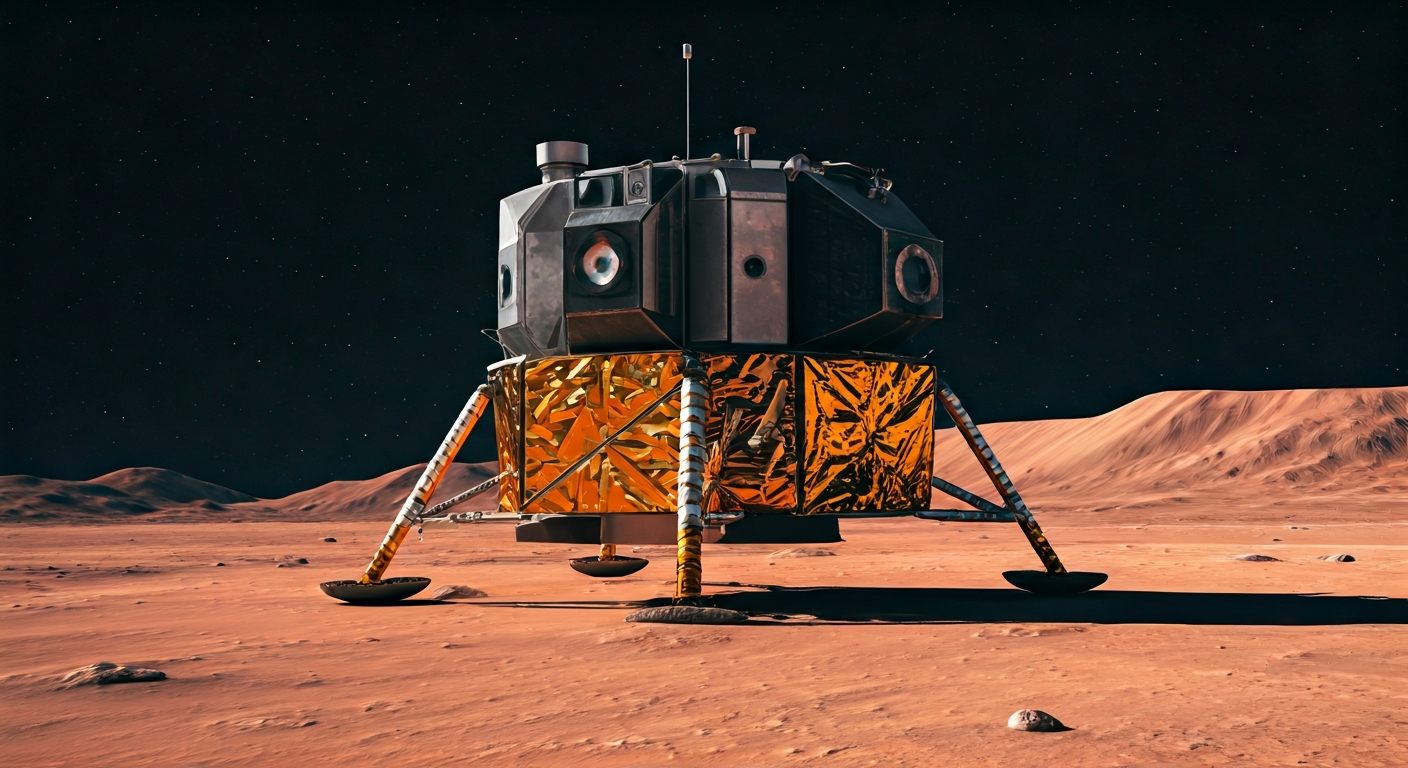
The Artemis II mission, a crucial step in NASA's lunar exploration program, is being viewed as a vital precursor to future human expeditions to Mars.
NASA's upcoming Artemis II mission is generating significant interest, not just for its return to the Moon, but for its role in advancing human spaceflight capabilities necessary for reaching Mars. This mission represents a critical phase in NASA's broader strategy for deep space exploration.
The Artemis program is designed to progressively build the technologies and operational experience required for longer-duration spaceflights and the eventual human exploration of the Red Planet. Artemis II, specifically, will test the Orion spacecraft's life support systems and its ability to operate in the deep space environment beyond Earth's magnetosphere, conditions that are more akin to those encountered on a Mars transit.
By sending astronauts on a trajectory around the Moon, Artemis II will provide invaluable data on human performance and system reliability over an extended period. This lunar flyby is intended to validate critical systems, including navigation, communication, and propulsion, which will need to be robust and dependable for a multi-month journey to Mars. The mission's success is seen as a prerequisite for more ambitious lunar landings and subsequent interplanetary ventures.
The experience gained from Artemis II will inform the design and planning of subsequent Artemis missions, which aim for lunar landings, and ultimately, missions that will carry humans to Mars. The challenges of radiation exposure, psychological effects of isolation, and the need for self-sufficiency are all areas that NASA is actively addressing, with the Artemis program serving as a foundational testing ground.
Artemis II's lunar flyby is more than a symbolic return; it's an essential step in the exponential progression toward Mars. By testing Orion's life support and deep-space performance, NASA is validating critical systems needed for the vastly longer Mars transit. Each successful test of human endurance and technological reliability in cis-lunar space accelerates our capacity for interplanetary travel. This mission's data will refine the exponential curves of life support, propulsion, and radiation shielding, bringing the multi-planetary future and a self-sustaining Martian civilization incrementally closer, proving that humanity's cosmic destiny is within reach.
Edited by the news editor with AI and translated into English from the original report — please refer to the original source.